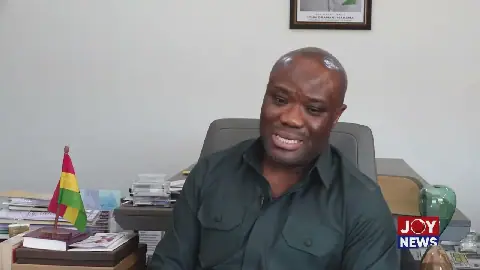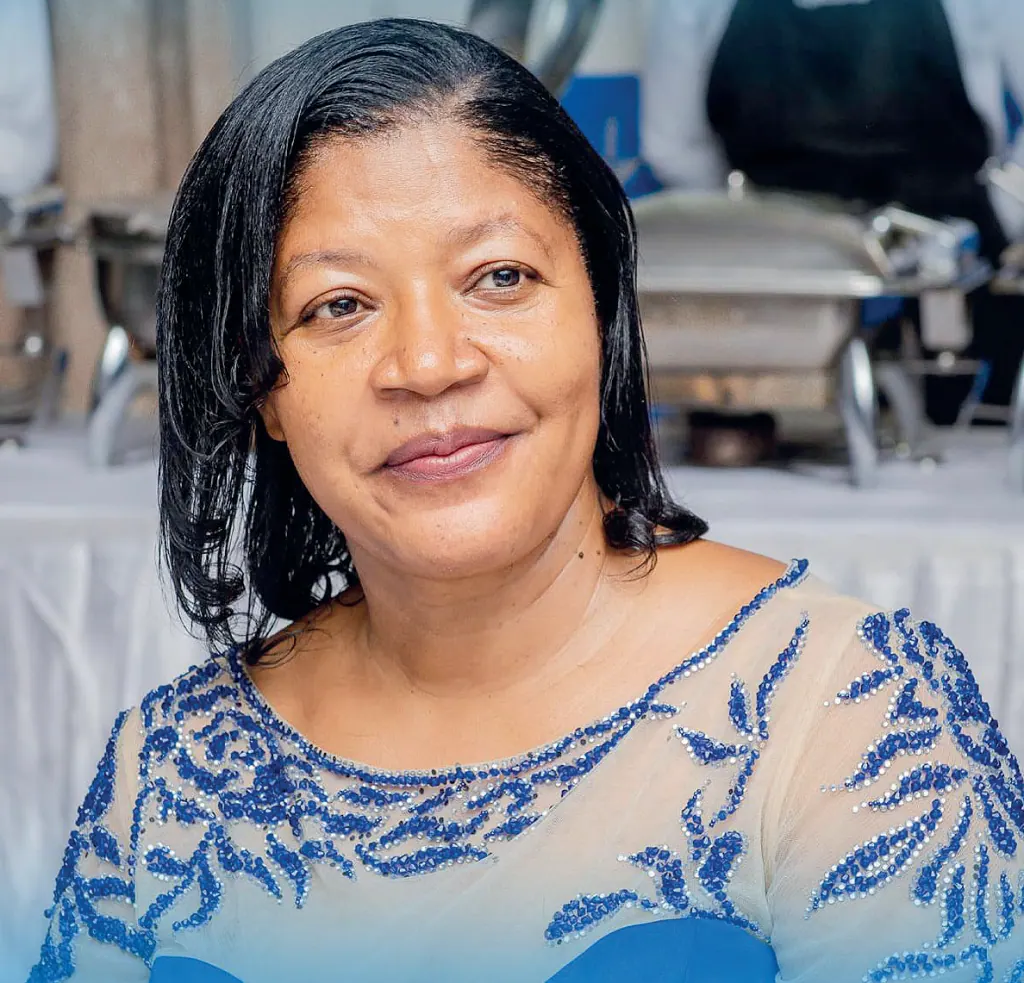
Malawi's Minister of Energy, Jean Mathanga, has stated that foreign exchange shortages are severely impacting the energy sector. The shortages are affecting the importation of fuel, spare parts, equipment, and other critical inputs. As a result, Malawians are experiencing frequent and prolonged power outages. The issue was highlighted at the Fifth Malawi National Energy Conference in Salima, where government representatives, development partners, and energy sector stakeholders gathered to discuss the country's energy challenges.
The forex crisis is compounding existing challenges in the energy sector, with the country's electricity generation, transmission, and distribution infrastructure requiring significant investment and regular maintenance. The power demand in Malawi continues to outstrip available generation capacity, leading to increased pressure on both electricity and fuel supplies. Minister Mathanga emphasized that the shortages of foreign exchange are affecting the ability of utilities and energy companies to import essential inputs and meet foreign-currency obligations.
European Union head of cooperation, George Dura, has suggested that the energy sector requires innovative financing models and an environment capable of attracting investment. He noted that Malawi needs to explore innovative financing models while creating an enabling environment that can attract investment into the energy sector. However, Dura also stated that financing alone would not resolve the sector's challenges, and that creating conditions that make projects bankable is equally important.
Former Electricity Supply Corporation of Malawi (Escom) chief executive officer, Kandi Padambo, has proposed that Malawi needs increased investment to address inadequate generation capacity. He suggested that the country should increase and liberalize its budgets to revamp generation capacity. Additionally, Padambo proposed the construction of a fuel pipeline and greater use of railway transport to reduce fuel transportation costs and pressure on foreign exchange.
Despite the challenges, the government is pursuing measures to expand access to electricity. The $100 million Malawi Electricity Access Project has connected more than 190,000 households to the grid and distributed over 253,000 solar home systems. Another $250.8 million World Bank-supported project is expected to expand grid and off-grid connections and electrify 1,280 health and education facilities.
Renewable Energy Industries Association of Malawi president, Brave Mhone, has called for action to address the country's energy challenges. He expressed enthusiasm for the minister's commitment to action and urged stakeholders to deliver on the challenges presented. Earlier this year, the World Bank urged the Malawi Government to tread cautiously in mining deals and stressed that projected annual revenues of $600 million depend on a progressive fiscal regime and investment in energy.
The World Bank has estimated that Malawi needs to mobilize about $5 billion in investments, with approximately 80 percent to be financed by the private sector, to reap the benefits of its energy transition minerals. The bank's report titled 'From potential to prosperity: A roadmap for Malawi's energy transition minerals' highlights the need for a sound footing to achieve this goal. The country's energy sector continues to face significant challenges, and stakeholders are working to find solutions to address these issues.
Key points
- Malawi faces a severe energy crisis due to forex shortages.
- The country requires innovative financing models and an enabling environment to attract investment in the energy sector.
- Increased investment is needed to address inadequate generation capacity and expand access to electricity.