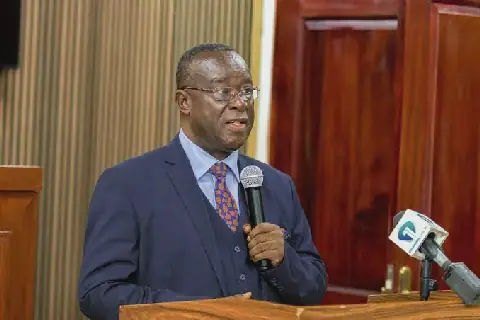
The Directorate of Public Prosecutions in Malawi is taking steps to preserve the value of assets seized from criminal proceedings, following criticism that these assets have been allowed to deteriorate. DPP Fostino Maele stated that the authorities are considering reviving the Asset Forfeiture Unit to oversee the valuation and maintenance of seized assets, such as houses and motor vehicles. This move aims to address the challenges faced in managing seized assets.
Maele cited the example of a house in Lilongwe, formerly owned by Paul Mphwiyo, the budget director of the Ministry of Finance, which was vandalised after being seized by the State. The High Court of Malawi had ordered the forfeiture of the property in March 2024, after Mphwiyo jumped bail while answering Cashgate charges. Additionally, vehicles seized by law-enforcement agencies have deteriorated while being stored at police stations.
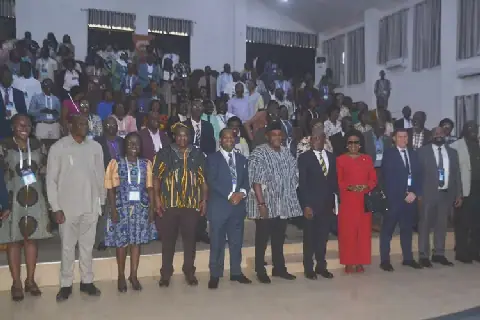
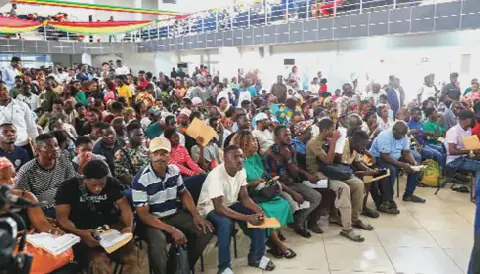
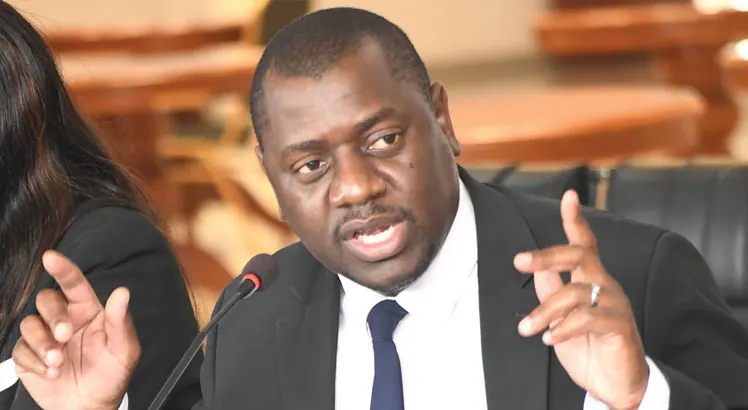
The DPP is organising a two-day regional asset management workshop in Salima, which has drawn participants from several countries, including Malawi, Ghana, Ireland, Mauritius, Mozambique, South Africa, Zambia, and Zanzibar. The workshop aims to share experiences on managing assets seized or restrained during criminal and civil proceedings. Minister of Justice and Constitutional Affairs Charles Mhango stated that the Asset Forfeiture Unit is being revived and re-capacitated to make it fully staffed, resourced, and operational.
According to Mhango, asset management should start at the beginning of an investigation, rather than after an asset has already been seized. This approach is expected to improve the management of seized assets and prevent their deterioration. The International Centre for Asset Recovery (Icar) is supporting the workshop, with its head of Africa, Simon Marsh, noting that assets can remain under restraint for extended periods, making proper management critical.
The workshop features Ireland's Criminal Assets Bureau as a mature model for asset management. Marsh highlighted the importance of proper asset management, as assets can remain under restraint for months, years, or even decades before cases are concluded. The DPP and other stakeholders are working to develop effective strategies for managing seized assets and maintaining their value.
Maele acknowledged that the authorities have been effective in seizing assets, but have faced challenges in managing them. The revival of the Asset Forfeiture Unit and the implementation of effective asset management strategies are expected to address these challenges. The DPP is exploring options for investing proceeds from sold assets in interest-earning accounts until cases are concluded.
The efforts to improve asset management are aimed at ensuring that seized assets are preserved and their value is maintained, even as court cases proceed. The DPP and other stakeholders are working together to develop effective strategies for managing seized assets and preventing their deterioration. Key initiatives include the revival of the Asset Forfeiture Unit and the implementation of effective asset management practices.
Key points
- The Directorate of Public Prosecutions is reviving the Asset Forfeiture Unit to oversee the valuation and maintenance of seized assets.
- The authorities are exploring options for investing proceeds from sold assets in interest-earning accounts until cases are concluded.
- Asset management is expected to start at the beginning of an investigation, rather than after an asset has already been seized.