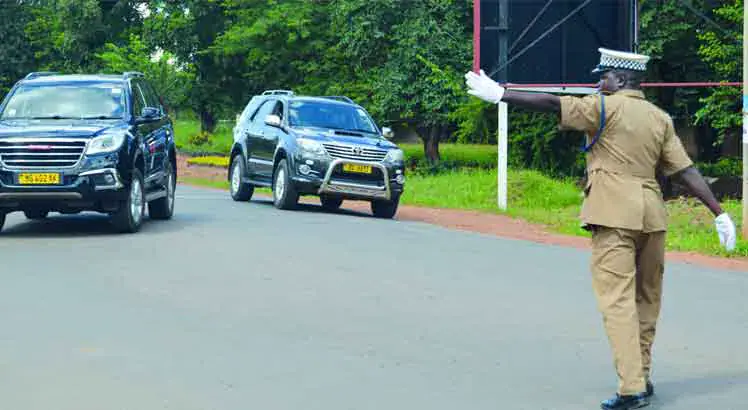
Nearly three months after the Malawi Police Service introduced digital payments for traffic offences, drivers are reporting little change in their experience. The system, rolled out in all six police regions from September 1, was intended to provide quick, easy payments and eliminate corruption. However, minibus drivers like Emmanuel Chembezi from Blantyre say they are still being told to pay on the spot, with the only difference being that the payment is now digital.
The Minibus Owners Association of Malawi general secretary Coaxley Kamange expressed concerns that the instant digital payment system mirrors the cash-in-hand system it was meant to replace. Kamange suggested that drivers should be given at least seven days to either pay or challenge the offence through proper mechanisms backed by law. He hopes that the pilot will reduce corruption and inform the nationwide rollout.
Some drivers have not even encountered the digital system since its rollout. In Lilongwe, drivers Mike Maneno and Michael Mtambo reported no experience with the digital payments. Centre for Social Accountability and Transparency executive director Willy Kambwandira noted that technology alone cannot curb corruption, and effective oversight and firm action against offenders are necessary.
Kambwandira also called for transparency in the collection and utilization of digital payments. He emphasized that collecting money digitally while keeping its utilization shrouded in secrecy is unacceptable. Consumers Association of Malawi executive director John Kapito, however, sees potential for digital payments to improve transparency and eliminate corruption.
Despite the concerns, Kapito believes that digital payments can remove the incentive for officers to stop vehicles to solicit money and help improve police image. However, key questions about the system remain unanswered, including how much has been collected, who audits it, and what happens if an officer still demands cash.
The Malawi Police Service has not provided clear answers to these questions, with National Police spokesperson Gladys Chiwaula and Inspector General Richard Luhanga not responding to inquiries. Deputy spokesperson Alfred Chimthere referred to Chiwaula. The lack of transparency and communication has raised concerns about the effectiveness of the digital payments system.
The challenges faced by Malawi's digital traffic payments system are not unique, with other countries implementing different approaches. In Zimbabwe, motorists can check and pay fines online, while in South Africa, motorists pay through various online platforms. Locally, the Directorate of Road Traffic and Safety Services already provides a 14-day window for motorists to pay fines.
Key points
- The digital payments system has not reduced corruption as intended
- Drivers still required to pay on spot despite digital system
- Transparency and oversight are necessary to curb corruption
Reporting sources
- Cashless, yet cash · The Nation