Thirty-three years after Malawi reverted to multiparty democracy, experts say the hope that comes with elections has not translated into tangible socio-economic gains for Malawians. The observation was made at the 4th Biennial Conference of the Political Science Association in Salima, where speakers agreed that while Malawians continue to vote with optimism and power has been transferred peacefully, the system reflects resilience rather than institutional maturity.
The conference, themed 'Malawi's Democracy at the Crossroads? Maturing Institutions or a Tailspin into Uncertainty?', heard that there is a growing disconnect between democratic expectations and lived realities. PSA President Henry Chingaipe noted that a significant proportion of Malawians believe they were doing better socially and economically before democracy. He cited an inverse relationship between hopes and realities, with people becoming dissatisfied with electoral outcomes and economic progress.
Chingaipe further stated that credible Afro-Barometer surveys show an upward trend in Malawians becoming dissatisfied with electoral democracy. Co-chief editor of the Malawi Journal of Politics and Public Affairs, Professor Happy Kayuni, said citizen frustration is deepening, especially among the youth. He noted that some young people have coined the phrase 'degree ichepe, passport ikule' – better to have a passport than a degree – as they consider leaving the country for opportunities abroad.
Keynote speaker, political scientist and governance expert Augustine Magolowondo, observed that while participation in elections remains high, public evaluation of what democratic institutions deliver has become more critical. He noted that Malawians continue to participate in elections and attach importance to their choices, but there are groups considered excluded from the democratisation process.
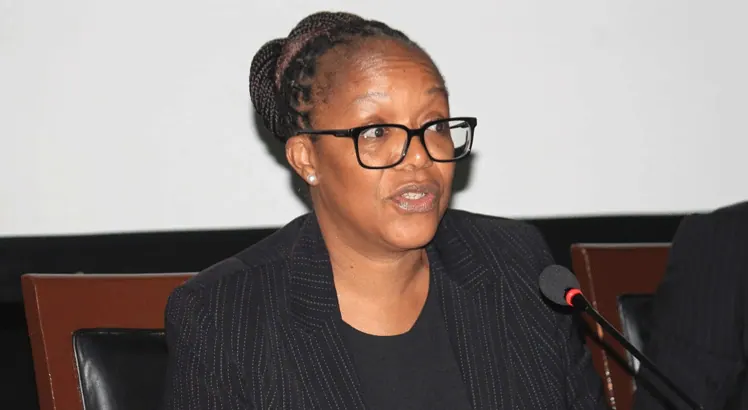
Magolowondo added that leaders need to deliver services that people expect when in government, but also civic awareness to enlighten the electorate about the core mandates of certain institutions. Malawi Electoral Commission Chairperson Justice Annabel Mtalimanja challenged delegates to reflect on the future trajectory of Malawi's democracy, asking whether the country will continue on its current path or retrogress.
The discussion comes as Malawians continue to face several socio-economic challenges, including high cost of living, persistent electricity blackouts, water, gas and fuel shortages, and forex woes. The two-day conference is discussing topical issues, including political party financing and accountability, the impact of constituency boundaries on fair representation, and state and public sector reforms.
The conference aims to strengthen democratic institutions, enhance citizen participation, and promote inclusivity, particularly in the post-2025 elections. Experts and stakeholders are calling for a rethink of Malawi's democratic trajectory, with a focus on delivering tangible socio-economic benefits to citizens.
Key points
- Experts say Malawi's democracy reflects resilience rather than institutional maturity.
- There is a growing disconnect between democratic expectations and lived realities in Malawi.
- Citizen frustration is deepening, especially among the youth, due to lack of socio-economic gains.