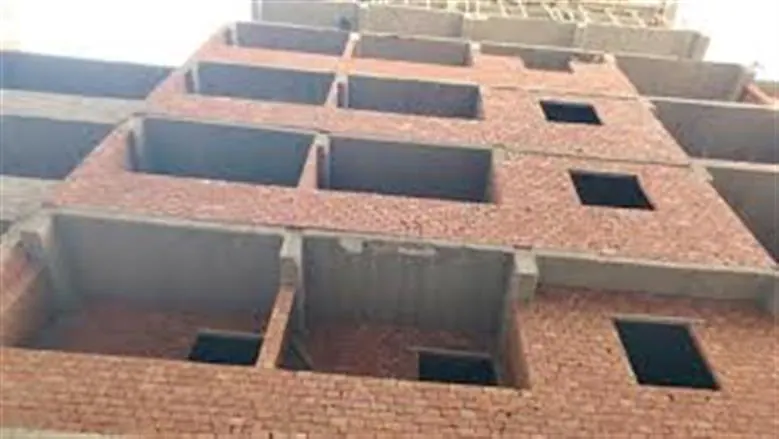
The Egyptian government has completed amendments to the law on construction violations, known as the "Law on Reconciliation," ahead of its submission to the Cabinet and subsequent discussion and voting by the House of Representatives. This marks the fourth revision of the law since its introduction seven years ago, with the aim of addressing shortcomings and obstacles encountered during its practical implementation. The law seeks to regulate and legitimize construction violations while generating revenue for local authorities.
According to Dr. Khaled Qasim, a local development expert and former assistant minister, the new amendments aim to close the file on construction violations permanently and regularize the status of violators in a manner that ensures social justice and maximizes self-generated resources for governorates. This approach is designed to avoid imposing additional burdens on the state's treasury. Qasim presented a comprehensive vision to tackle the challenges associated with the law.
A key proposal in the amendments is the extension of aerial photography to include 2024 and 2025, allowing for the incorporation of recent construction violations. This move is intended to accommodate populated blocks and buildings or violations that are difficult to remove, thereby increasing the number of citizens willing to regularize their situations and reconcile. The proposal also includes strict controls for new cases to prevent future violations.
The suggested amendments propose doubling the value of the reconciliation fee for new cases compared to regular ones. Additionally, the number of committees responsible for reviewing reconciliation requests is set to increase to expedite the process. These measures aim to encourage citizens to come forward and regularize their construction violations.
The ongoing efforts to revise the Law on Reconciliation reflect the government's commitment to addressing the complexities surrounding construction violations. By engaging with experts and stakeholders, the government seeks to create a more effective and equitable framework for dealing with these issues. The law's revision is also expected to contribute to the country's urban development and planning efforts.
The proposed changes to the law have been influenced by the input of various stakeholders, including local development experts and officials. Their contributions have helped shape a more comprehensive and practical approach to managing construction violations. The government's goal is to strike a balance between enforcing regulations and providing opportunities for violators to regularize their situations.
Once the amendments are approved and enacted, they are expected to have a significant impact on the process of regularizing construction violations in Egypt. The government's efforts to improve the law's effectiveness and fairness are seen as crucial steps towards promoting social justice and enhancing local governance.
Key points
- The Egyptian government has completed amendments to the Law on Reconciliation, which include a proposal to extend aerial photography until 2025.
- The amendments aim to address shortcomings and obstacles encountered during the law's practical implementation.
- The proposed changes include doubling the value of the reconciliation fee for new cases and increasing the number of committees responsible for reviewing requests.