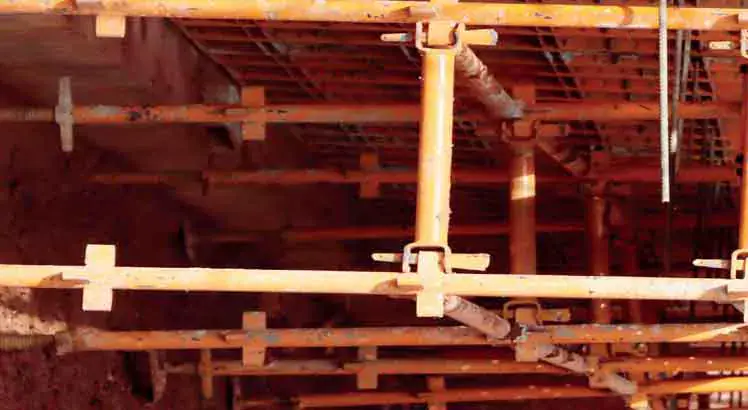
Malawi's construction cost inflation has slowed in the second quarter of the 2026/27 financial year, providing some relief to the industry. According to figures released by the Construction Industry Regulatory Authority (Cira) and the National Statistical Office (NSO), the General Construction Input Price Index (GCIPI) rose by 4.4 percent between July and September 2026. This represents a decline from 6.2 percent in the preceding quarter. The GCIPI measures price changes for a broad range of construction materials, equipment, and related activities.
The annual construction cost inflation rate also declined to 21.3 percent from 28.8 percent in the first quarter, representing a 7.5 percentage-point reduction. Although construction inputs remain substantially more expensive than a year earlier, the slowdown suggests easing inflationary pressures. Cira's chief executive officer, Engineer Gerald Khonje, stated that the pace at which prices are increasing has moderated significantly compared to previous quarters. This reflects improving stability within Malawi's construction industry.
The moderation in construction cost inflation was particularly pronounced in civil engineering. Quarterly input price inflation declined to 3.4 percent from 8.1 percent, while annual inflation slowed to 27.9 percent from 32.6 percent. However, building construction recorded a marginal increase in quarterly inflation to 5.1 percent from 5.0 percent. Despite this, annual inflation eased to 17.2 percent from 20.2 percent.
Despite the improving cost indicators, the Reserve Bank of Malawi (RBM) has revised downwards its construction sector growth projection for 2026 to 4.2 percent from an earlier 4.8 percent. This is below the five percent recorded in 2025. The central bank attributed the revision to foreign exchange shortages, rising fuel prices, and supply constraints.
Economist Velli Nyirongo noted that the easing inflation figures should be viewed against persistent structural challenges that continue to undermine construction activity. Imported materials, expensive financing, and transport costs remain significant constraints on contractors, property developers, and households. Nyirongo warned that sustained increases in construction costs could have wider economic consequences.
Nyirongo recommended strengthening domestic production of suitable construction materials, improving economic stability, promoting competition, and enhancing public procurement transparency. He emphasized that government may be forced to delay infrastructure projects or reduce the scale of investment as rising costs place further pressure on an already constrained budget.
The RBM expects ongoing infrastructure projects to sustain activity, with construction sector growth projected to recover to 4.8 percent in 2027. The decline in construction cost inflation offers some relief to the industry, but persistent challenges require sustained attention to ensure stability and growth in the sector.
Key points
- Construction cost inflation in Malawi slowed to 4.4% in Q2 2026/27.
- Annual construction cost inflation rate declined to 21.3 percent.
- Foreign exchange shortages and fuel supply challenges persist, undermining construction activity.