Malawi's Constitution grants the President discretion to delegate powers and functions to Cabinet members or government officials, as stated in Section 89(6). This provision aims to facilitate efficient governance. However, questions have emerged about the limits of this delegation, particularly regarding the duties delegated and the recipients. President Peter Mutharika has delegated several presidential duties, sparking concerns about his authority and capacity to discharge responsibilities.
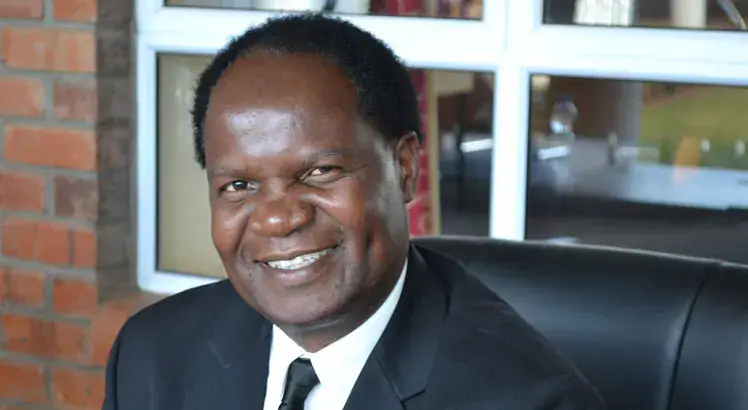
University of Malawi law professor Garton Kamchedzera provides insight into the constitutional provisions. He notes that the Constitution provides a wide discretion for the President to delegate most presidential functions, with the rationale of facilitating dynamism, efficiency, and effectiveness in governance. However, this discretion is not unlimited and must be exercised in a principle-based manner, maintaining trust through open, accountable, and transparent government, as stated in Section 12(1) (c) of the Constitution.
The Constitution imposes limitations on the delegation of presidential functions, particularly regarding appointments or functions of a Presidential Commission under the Constitution. Section 78 of the Constitution entails that the President cannot delegate the responsibility to provide executive leadership. However, the President's discretion to delegate is not limited in its manner, and the President may specify conditions, exceptions, and qualifications.
As Commander-in-Chief of the Malawi Defence Force and Chancellor, the President holds significant constitutional positions. However, Professor Kamchedzera notes that there are no constitutional limitations regarding the delegation of presidential functions related to these roles. The President may delegate these duties, and there are no restrictions on doing so.
The Constitution outlines circumstances under which the President may be deemed incapacitated, as stated in Section 87. However, the frequency of delegating official duties does not necessarily raise questions about the President's capacity. The National Assembly has the power to exercise oversight over the President, including calling the President to Parliament to answer questions.
Citizens can question the President's capacity to perform duties through constitutional mechanisms. In the case of frequent delegation, citizens can pressure Members of Parliament to call the House, enabling the President to demonstrate active executive leadership in the best interests of the people of Malawi. The President must account for delegation of presidential functions, ensuring it serves the best interests of the people.
The debate on presidential delegation highlights the need for clarity on the limits of presidential power in Malawi. As the President continues to delegate duties, it is essential to ensure that this delegation is exercised in a manner consistent with the Constitution and in the best interests of the people. The National Assembly and citizens must remain vigilant in ensuring that the President's actions align with constitutional provisions.
Key points
- The President's discretion to delegate powers and functions is not unlimited and must be exercised in a principle-based manner.
- The Constitution imposes limitations on the delegation of presidential functions, particularly regarding appointments or functions of a Presidential Commission.
- Citizens can question the President's capacity to perform duties through constitutional mechanisms, including pressuring Members of Parliament to call the House.
Reporting sources
- Limits of Presidential power and delegation · The Nation