Malawi's annual expenditure on foreign medical treatment referrals stands at $25 million, equivalent to K43.4 billion, according to economists. This significant outlay reflects the country's dependence on foreign hospitals, which could be alleviated by investing in domestic specialised healthcare services. The amount spent on foreign referrals could instead support domestic healthcare investment, create jobs, and stimulate economic growth.
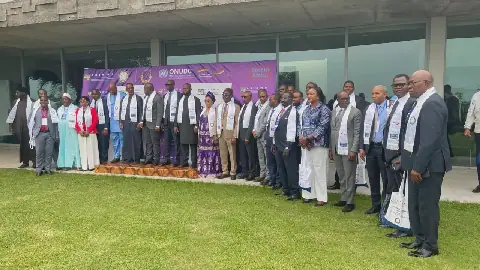
Minister of Industrialisation, Business, Trade and Tourism Simon Itaye noted that the country's reliance on foreign medical facilities worsens pressure on the already strained foreign exchange reserves. He emphasized that health is not just a social service but also a big business and a critical trade issue. The Minister made these remarks at the inaugural Press Economic Forum in Lilongwe, hosted by Press Corporation (PCL) plc and Malawi Confederation of Chambers of Commerce and Industry (MCCCI).
Associate Professor Gowokani Chijere-Chirwa from the University of Malawi revealed that between March and July 2026, $9.2 million was spent on foreign medical treatment referrals. He estimated that the wider economic cost could reach between K17.6 billion and K19.5 billion, accounting for household expenses, accompanying guardians, and lost productivity. Chijere-Chirwa suggested that retaining the money spent on medical referrals locally could generate significant economic benefits.
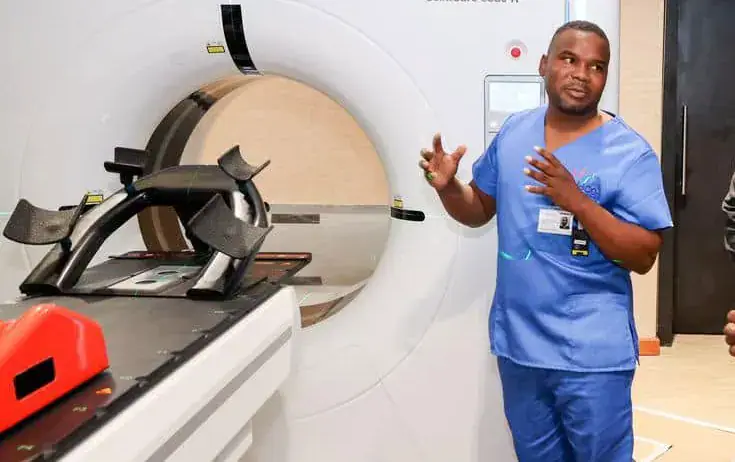
Minister of Health and Sanitation Madalitso Baloyi acknowledged that limited capacity in specialised services such as cardiac care, cancer treatment, and renal dialysis drives demand for overseas treatment. She identified opportunities for investment in specialised hospitals, diagnostic services, pharmaceutical manufacturing, and medical equipment. Baloyi emphasized that domestic investment could retain foreign exchange while creating employment.
PCL plc announced plans to explore healthcare investment as part of its strategy to diversify into commercially viable sectors addressing national economic challenges. The proposed investment model involves PCL plc, Nico Holdings plc, development finance institutions, and established healthcare operators. PCL plc chief executive officer Ronald Mangani outlined four conditions for investment: sufficient demand, credible operating partners, financing arrangements, and a conducive regulatory environment.
MCCCI president Ronald Ngwira said businesses are prepared to explore healthcare investments, particularly in diagnostics, medical equipment, and infrastructure. He urged the government to create a conducive policy environment and remove bottlenecks that could discourage investment. In response, Minister Itaye said the government is prepared to facilitate healthcare investments through the Malawi Investment and Trade Centre.
Several business moguls and philanthropists are already investing in specialist healthcare in Malawi. Thomson Mpinganjira and Hitesh Anadkat have launched projects, including the Anadkat Adventist Heart Centre at Blantyre Adventist Hospital and a multi-billion kwacha private healthcare facility, International Blantyre Cancer Centre. These investments aim to reduce foreign referrals and provide specialised medical services locally.
Key points
- The Malawian government spends around $2 million annually on cancer referrals alone.
- The country's foreign medical referrals bill is equivalent to K3.6 billion monthly.
- Redirecting K16 billion towards domestic healthcare services could generate between K8.3 billion and K23 billion in gross domestic product.