The Malawi Parliament is advocating for greater financial autonomy from the Executive, citing concerns that dependence on central government funding undermines its ability to effectively scrutinise and hold the Executive to account. This issue was first championed by Speaker of Parliament Sameer Suleman in March and has resurfaced with the Parliamentary Legal Affairs Committee emphasising the need for greater control over finances. The committee argues that this is necessary for the Legislature to discharge its constitutional mandate independently.
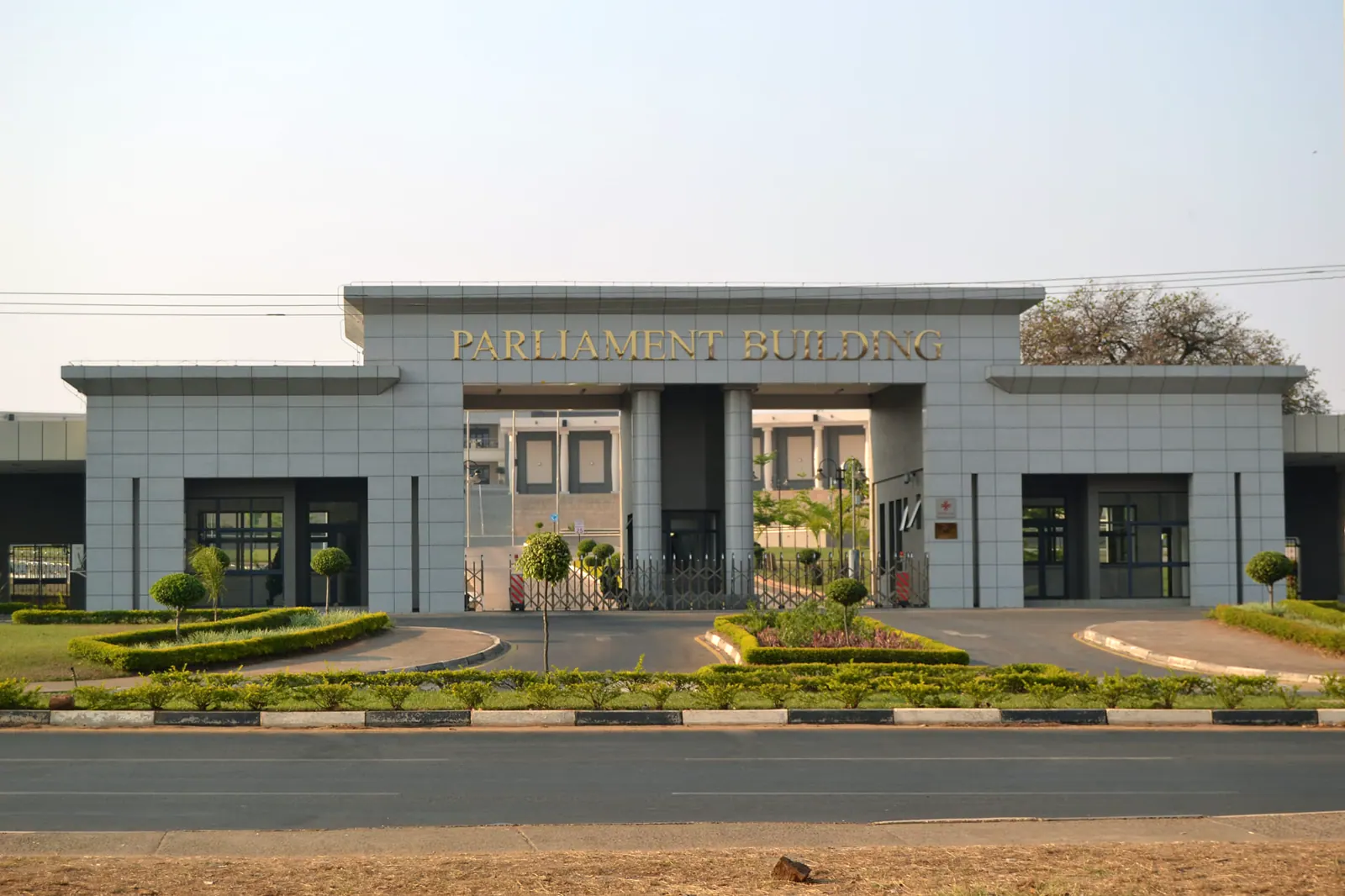
The Parliamentary Legal Affairs Committee's vice-chairperson, Gift Nankhuni, stated that delays in releasing funds and Parliament's limited control over its finances were affecting the implementation of oversight programmes. He was speaking at Parliament Building in Lilongwe during a presentation by Parliament legal officer Moira Matenje on the financial autonomy of the Legislature. Nankhuni noted that the current funding arrangement is inconsistent with the independence of the Legislature provided for under Section 49 of the Constitution.
Nankhuni further highlighted that funding delays sometimes forced Parliament to postpone activities or prevented it from implementing programmes as planned. This situation has prompted Parliament to propose a significant increase in its share of the National Budget. Deputy Clerk of Parliament for Corporate Services Chikondi Kachinjika revealed that the proposal is to increase Parliament's allocation from 0.53 percent to 1.6 percent of the National Budget in the next financial year.
In addition to financial autonomy, the Parliamentary Legal Affairs Committee was briefed on proposed revisions to Parliament's Standing Orders. Deputy Clerk for Procedural Services Joseph Manzi explained that the review aims to correct inconsistencies, align the Standing Orders with existing legislation, and formalise parliamentary practices and precedents that have traditionally remained unwritten.
The committee also considered a proposal to allow local languages, particularly Chichewa, during parliamentary proceedings. This proposal follows petitions submitted to Parliament in November 2025 by stakeholders, including Centre for Democracy and Economic Development Initiatives (Cdedi) executive director Sylvester Namiwa and the Lost History Foundation. The committee will meet with Cdedi, the Lost History Foundation, University of Malawi officials, and the Ministry of Local Government and Rural Development on September 28 and 29 to continue discussions.
The push for financial autonomy and the proposed revisions to Parliament's Standing Orders are part of broader efforts to enhance the Legislature's effectiveness and independence. By seeking greater control over its finances and procedures, Parliament aims to improve its oversight capabilities and accountability. These developments are being closely watched by various stakeholders, including civil society organisations and government entities.
As Parliament continues to engage with stakeholders and refine its proposals, the outcome of these efforts will likely have significant implications for Malawi's governance and democratic processes. The ability of Parliament to assert its financial autonomy and implement procedural reforms will be crucial in determining its effectiveness in holding the Executive to account and representing the interests of Malawians.
Key points
- Parliament seeks to increase its allocation from 0.53 percent to 1.6 percent of the National Budget.
- The proposed revisions to Parliament's Standing Orders aim to correct inconsistencies and formalise parliamentary practices.
- Allowing local languages during parliamentary proceedings is part of the proposed reforms.