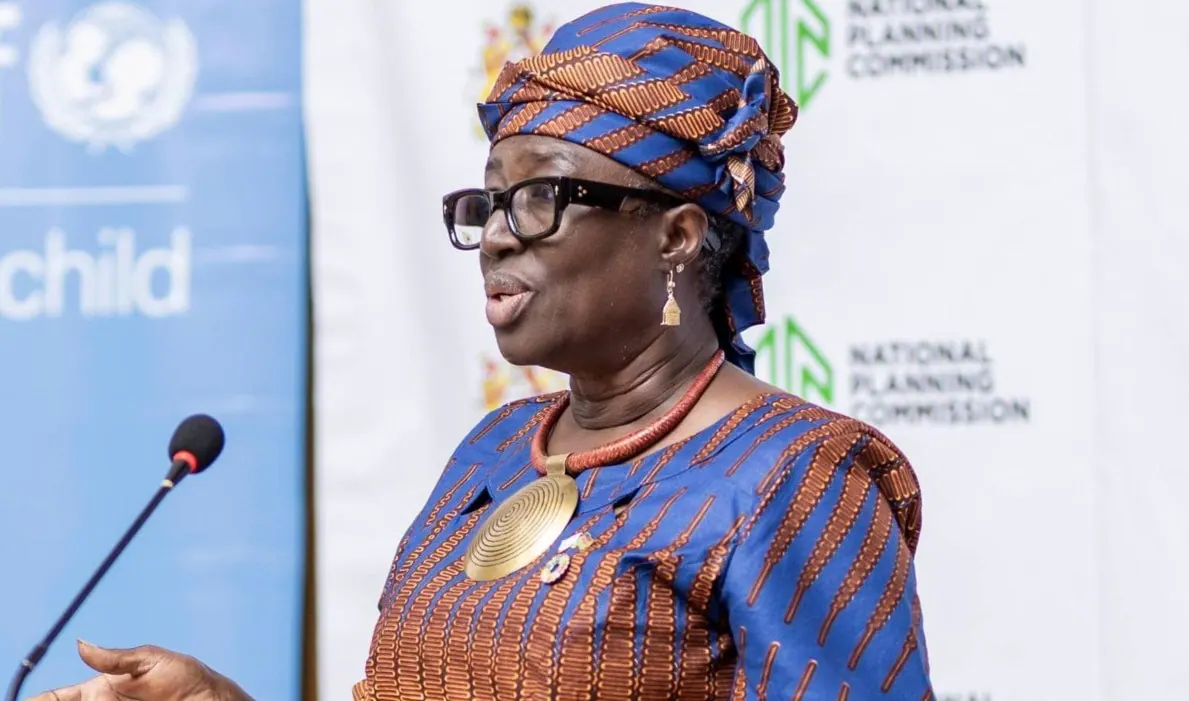
Today, Malawi joins the global community in commemorating the International Day of Peace, a day set aside to promote peace and stability worldwide. This year's theme, 'Invest in Peace: For Everyone, Everywhere, Every Day,' highlights the importance of deliberate and sustained investment in peace, even in countries like Malawi that enjoy relative peace and stability. The United Nations Resident Coordinator in Malawi, Rebecca Adda-Dontoh, has emphasized that peace is not only built through high-level negotiations or in moments of crisis but also through the daily actions of ordinary people.
According to Rebecca Adda-Dontoh, peace is not merely the absence of conflict but the foundation of justice, equality, and opportunity. This truth resonates deeply in Malawi, where young people make up a large share of the population and are considered the peacebuilders of today. The national commemoration theme, "Empowering Youth as Agents of Peace, Unity and Socio-Economic Transformation," is particularly fitting for Malawi. Young people's energy, creativity, and aspirations are indispensable to strengthening social cohesion and driving sustainable development.
Malawi's experience demonstrates that peace is built in villages, trading centers, places of worship, schools, workplaces, and homes across the country. During the 2025 electoral period, communities in various locations demonstrated remarkable commitment to peaceful coexistence. Men, women, young people, traditional leaders, faith leaders, and civil society actors worked together to promote dialogue and prevent tensions from escalating. Multi-Party Liaison Committees and Peace and Unity Committees played a vital role in fostering understanding and encouraging peaceful political participation.
The Public Affairs Committee and the Malawi Peace and Unity Commission also contributed to a peaceful electoral environment and a smooth democratic transition. These achievements illustrate that peace does not happen by accident but is the result of institutions, partnerships, and individuals working together with a shared commitment to the common good. It also depends on the willingness to resolve differences peacefully, uphold the rule of law, and protect the rights and dignity of every person.
As a nation whose greatest asset is its peace, Malawi must continue to protect and strengthen it as communities face multiple pressures. Climate-related disasters, economic challenges, and social tensions can test the bonds that unite society. These realities underscore why investing in peace is not optional; it is an imperative. Fortunately, Malawians have repeatedly shown that they are not powerless in the face of these challenges, with faith leaders, traditional authorities, and community peacebuilders working to bridge divides and foster dialogue.
Building a robust infrastructure for peace requires sustained commitment from public institutions, government, development partners, the private sector, the media, and communities themselves. This investment must be practical, including creating safe spaces for young people to participate in decision-making and supporting women's meaningful participation in peacebuilding and decision-making. Peace and development reinforce each other, and communities with access to education, healthcare, and decent jobs are more resilient and better able to withstand shocks.
The UN remains committed to supporting Malawi's efforts to build an inclusive, peaceful, and resilient society. Together with the Government of Malawi and other stakeholders, the UN will continue to promote dialogue, strengthen social cohesion, and expand opportunities for all. On this International Day of Peace, let us remember that peace begins with each one of us and is reflected in our actions, choices, and willingness to listen, understand, and collaborate.
Key points
- Investing in peace is crucial for sustainable development and creating a resilient society.
- Malawi's experience shows that peace is built through daily actions of ordinary people.
- The country must continue to protect and strengthen its peace as it faces multiple pressures.