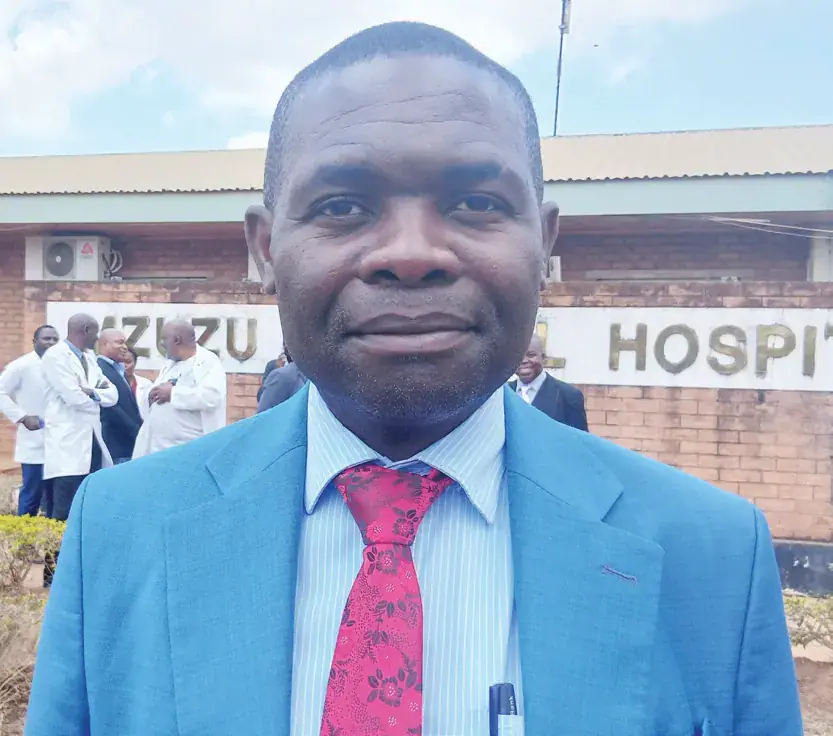
The government of Malawi has secured a currency swap agreement with the United Nations Development Programme to settle outstanding payments to foreign medical suppliers. This move aims to alleviate foreign exchange challenges affecting the procurement of medicines and medical supplies. The agreement, signed last month after six months of negotiations, seeks to address drug shortages in public health facilities. The arrangement was disclosed by Secretary for Health Dan Namarika during an appearance before the Parliamentary Budget Committee in Lilongwe.
The first payment of $1.8 million has already been made under the agreement, with plans for monthly payments to suppliers. This development is expected to ease the procurement of essential medicines. The ministries of Finance and Justice endorsed the arrangement, which was necessitated by foreign exchange constraints. These constraints have hindered the ability of Central Medical Stores Trust to procure medicines from international suppliers. The agreement is a significant step towards resolving the issue.
District and central hospitals in Malawi owe Central Medical Stores Trust K70 billion in audited arrears. However, only K20 billion has been allocated, leaving a financing gap of K50 billion. The outstanding arrears have affected the trust's capacity to replenish medical stocks and ensure a consistent supply of medicines to public health facilities. This revelation was made during the Parliamentary Budget Committee meeting, where concerns about the health sector's funding were raised.
Parliamentary Budget Committee Chairperson Sosten Gwengwe expressed interest in the currency swap arrangement. He noted that such initiatives could help address foreign exchange challenges affecting medicine procurement. Gwengwe also questioned the budget management of some hospitals, which had exhausted their allocations with five months remaining in the financial year. He sought to understand the planning gaps that led to this situation.
The Ministry of Health's presentation to the committee indicated that central hospitals require K73 billion for medicines in the 2026-27 financial year. However, the allocation stands at K58 billion, leaving a shortfall of K15 billion. The health sector has been allocated approximately K1.1 trillion in the current financial year, representing 9.2 percent of the national budget. This allocation falls short of the Abuja Declaration target of 15 percent.
The UNDP agreement is seen as a temporary solution to the health sector's funding challenges. The arrangement will help address the immediate needs of the sector, but long-term solutions are still required. The ministry's officials emphasized the need for sustainable funding to ensure a consistent supply of medicines and medical supplies.
The implementation of the currency swap agreement and the allocation of funds to the health sector will be closely monitored. The Parliamentary Budget Committee will track the progress of the agreement and the utilization of funds. This oversight aims to ensure that the health sector receives the necessary resources to address the ongoing challenges.
Key points
- The agreement between the government and UNDP aims to settle $18 million in outstanding payments to foreign medical suppliers.
- The health sector faces a funding gap, with central hospitals requiring K73 billion for medicines in the 2026-27 financial year.
- The allocation to the health sector stands at 9.2 percent of the national budget, falling short of the Abuja Declaration target of 15 percent.
Reporting sources
- UNDP comes to Medical Stores’ rescue · The Daily Times