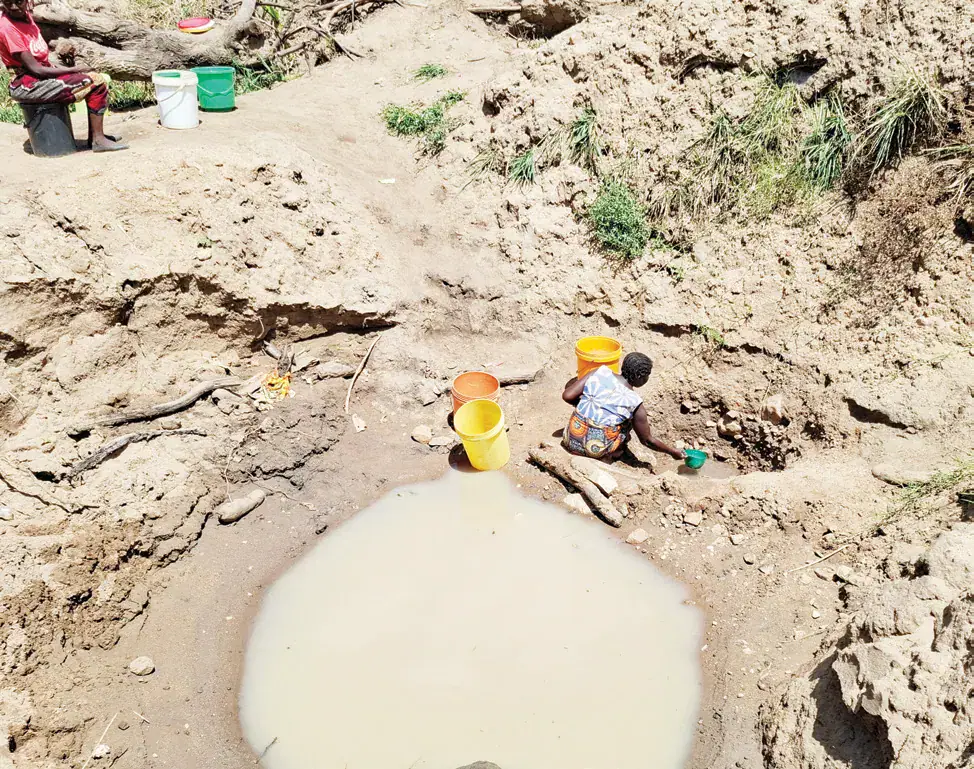
Malawi is facing significant challenges in its efforts to improve access to water, sanitation, and hygiene (Wash) services by 2030. According to WaterAid, inadequate financial resources and continued dependence on donor funding are major obstacles. The country aims to increase access to safe drinking water, improve sanitation facilities, and promote proper hygiene practices to protect public health and improve living conditions.
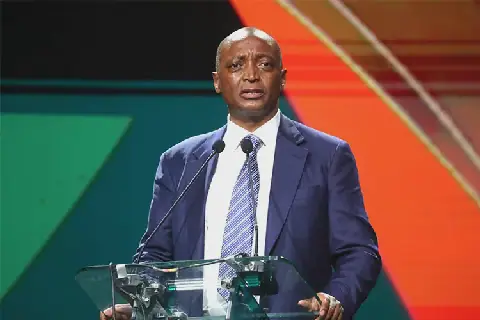
WaterAid National Water Compact Delivery Officer Lloyd Mtalimanja noted that although substantial resources are being channeled towards the water sector, there is a mismatch between committed funds and resources that actually reach communities for project implementation. He emphasized that over-reliance on development partners is a challenge and that the government needs to strengthen domestic financing to ensure sustainable implementation of Wash programs.
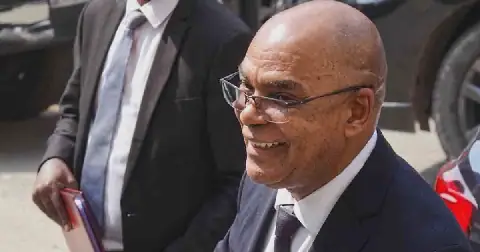
The Water and Environmental Sanitation Network (WESNET) Executive Director, Safari Mbewe, called for deliberate investment and commitment from the government and other stakeholders to improve access to Wash services. Mbewe stated that commitments made by President Peter Mutharika through the Wash Compact should translate into concrete action, rather than relying on promises and policy commitments alone.
The Presidential Wash Compact provides a framework for accelerating investment and improving service delivery in the water, sanitation, and hygiene sector, with specific targets to be achieved by 2030. The compact aims to increase access to basic drinking water from 73 percent to 85 percent, basic sanitation from 40 percent to 65 percent, and basic hygiene services from 12 percent to 37 percent.
The compact also seeks to increase the proportion of the national budget allocated to the Wash sector from 1.2 percent to 5 percent by 2030. Malawi's efforts to achieve universal access to safe water and sanitation are linked to Sustainable Development Goal Six (SDG 6), which calls for universal access to water and sanitation by 2030.
A validation meeting of the Presidential Wash Compact was held in Lilongwe City, where stakeholders discussed the challenges and opportunities for improving Wash services in Malawi. The meeting aimed to ensure that the compact is aligned with the country's needs and priorities, and that it is feasible to achieve the targets set for 2030.
The success of the Presidential Wash Compact will depend on the government's ability to mobilize resources and implement the plans outlined in the compact. With the right investment and commitment, Malawi can make significant progress towards achieving universal access to safe water and sanitation, and improving the health and well-being of its citizens.
Key points
- Inadequate financial resources and dependence on donor funding hinder Malawi's efforts to improve access to water, sanitation, and hygiene services by 2030.