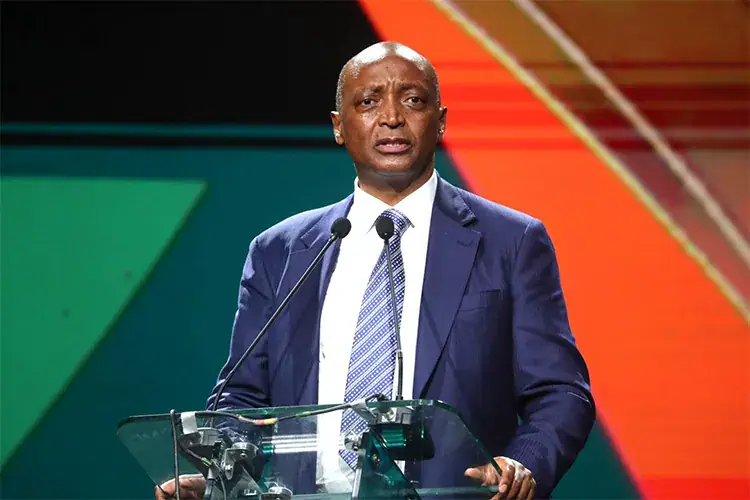
The African football landscape is abuzz with controversy surrounding the leadership of the Confederation of African Football (CAF), spearheaded by President Patrice Motsepe. Critics argue that Motsepe's decisions have been arbitrary and divisive, eroding the credibility of CAF and its relationships with national football associations. His recent proposal to change the Africa Cup of Nations from a biennial to a quadrennial event sparked intense debate, with many African countries opposing the move.
Motsepe's proposal was seen as an attempt to appease European clubs and align with FIFA's expanding global competitions. However, the idea faced strong resistance from most African football associations, leading Motsepe to backtrack on his decision. This reversal has raised questions about his leadership style and ability to navigate complex football politics. CAF's General Assembly had previously elected Motsepe, but his actions have created divisions within the organization.
The South African football leader's decisions have not only sparked debate but also drawn criticism from within his own country. Some argue that Motsepe's actions have damaged the reputation of African football and compromised its integrity. As CAF's leadership navigates these challenges, stakeholders are calling for a more inclusive and transparent decision-making process. The controversy surrounding Motsepe's leadership has also sparked discussions about succession and the future of CAF.
The legacy of former CAF President Issa Hayatou, who led the organization from 1988 to 2017, has been invoked as a benchmark for effective leadership. Hayatou was known for his strong personality and ability to maintain discipline within the organization. His tenure was marked by a series of reforms and efforts to promote African football globally. In contrast, Motsepe's leadership has been criticized for being divisive and reactive.
CAF's General Assembly is expected to play a crucial role in shaping the organization's future and addressing concerns about Motsepe's leadership. Members are seeking a candidate who can unite the African football community and lead the organization with integrity. The controversy surrounding Motsepe's leadership has also raised questions about FIFA's role in African football and the need for greater collaboration between CAF and its member associations.
As the African football community navigates these challenges, there are concerns about the potential impact on the sport's development and growth. CAF's leadership must balance the interests of various stakeholders, including national associations, clubs, and sponsors. The organization's ability to adapt to changing global football trends while maintaining its unique identity will be critical to its success.
The outcome of the current leadership crisis will have far-reaching implications for African football. CAF's leaders must prioritize the interests of the sport and its stakeholders, rather than individual agendas. The road ahead will require strong leadership, transparency, and a commitment to promoting the values of African football.
Key points
- Motsepe's leadership style has been criticized for being divisive and reactive.
- The legacy of former CAF President Issa Hayatou has been invoked as a benchmark for effective leadership.
- CAF's General Assembly is expected to play a crucial role in shaping the organization's future.