The World Bank has identified key challenges that Malawi must address to unlock approximately $600 million from its mining sector by 2040. According to a report titled 'The energy transition minerals roadmap: From potential to prosperity,' addressing electricity supply, transport infrastructure, foreign exchange availability, and mining regulations are critical to achieving this goal. This amount is equivalent to about 9.6 percent of Malawi's 2026/27 National Budget.
The mining sector has the potential to significantly contribute to Malawi's economy, with the World Bank estimating that the country could generate over $30 billion in mining exports between 2026 and 2040. However, under current conditions, only three of seven advanced-stage mining projects are expected to proceed. These projects include Kayelekera for uranium, Kasiya for rutile and graphite, and Kangankunde for rare earths. This limited development would cap annual government mining revenue at around $400 million by 2040.
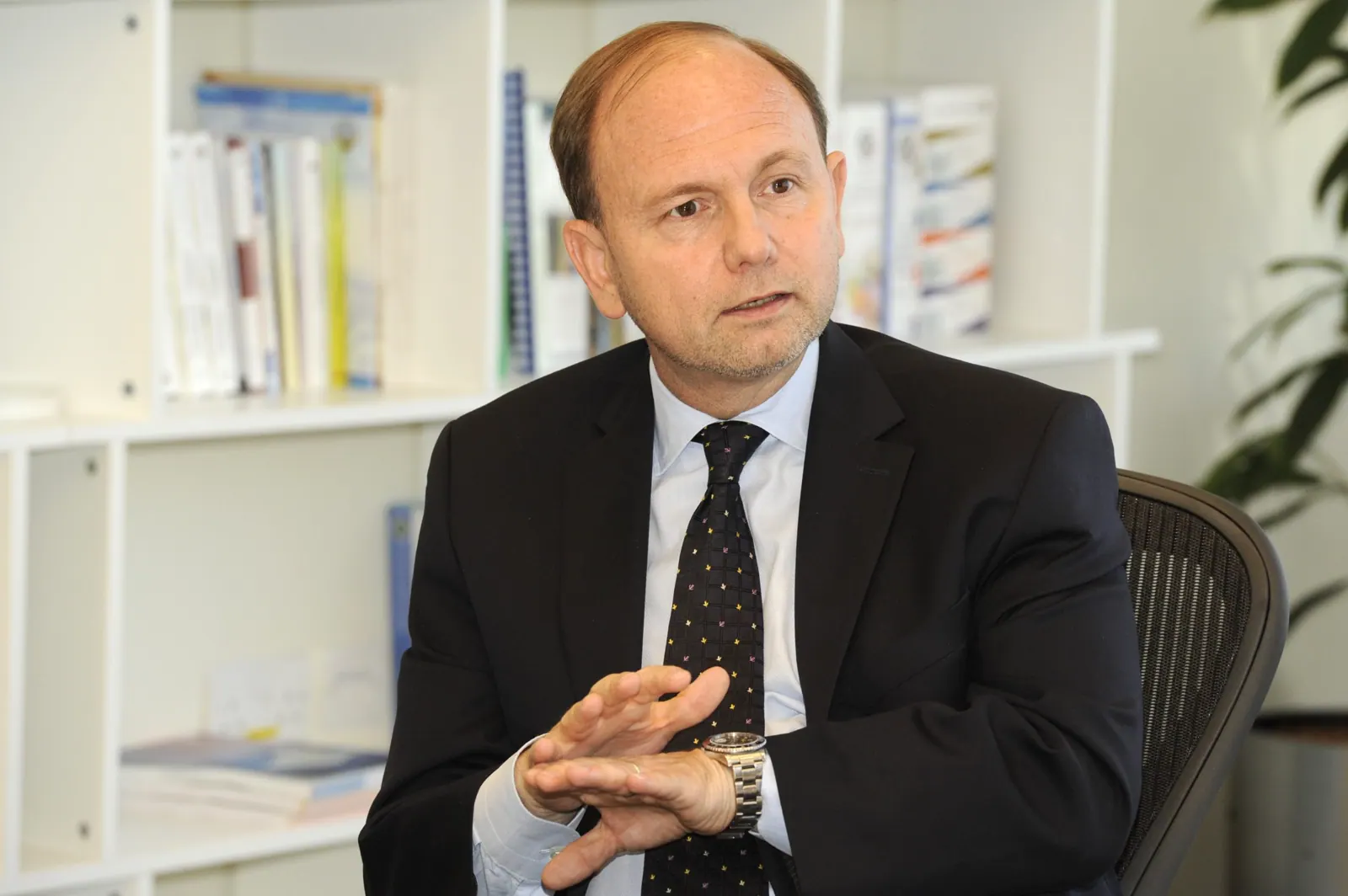
World Bank division director for Malawi, Tanzania, Zambia, and Zimbabwe, Firas Raad, emphasized that coordinated reforms are necessary to unlock additional projects and increase annual government revenue by about 50 percent. However, he noted that the $600 million figure is a scenario, not a forecast, and depends on various factors such as project viability, commodity prices, community acceptance, and implementation of reforms.
One of the immediate constraints to mining development in Malawi is the country's electricity supply. The report estimates that mining operations could require an additional 120 megawatts of power by 2032. Malawi's existing energy deficit, fragile grid, and vulnerability to climate shocks are significant deterrents to investment. Furthermore, foreign exchange shortages, exchange-rate distortions, and the 25 percent forex sequestration policy are also cited as major barriers to foreign direct investment.
To attract the necessary private investment, estimated to be between $1.3 billion and $2.1 billion by 2040, Malawi needs to create a more favorable investment climate. British High Commissioner Leigh Stubblefield stressed that greater predictability, adequate infrastructure, and investor confidence are essential. Development partners have identified priorities such as improving geological data management and sharing, addressing policy and regulatory bottlenecks, and improving investment conditions.
Local stakeholders also highlighted the need for Malawi to complete its mining regulatory framework and improve coordination among institutions responsible for the sector. Natural Resources Justice Network national coordinator Kennedy Rashid and Minister of Mining Thoko Tembo acknowledged the importance of reforms. The government plans to improve licensing and cadastre systems, strengthen geological information, and provide greater policy and legislative predictability.
The mining sector is prioritized in Malawi's 2063 development strategy as a primary driver to propel the nation towards lower middle-income status by 2030 and upper middle-income by 2063. Although the sector's current contribution is minimal at about one percent, it has historically accounted for approximately 10 percent of the national economy. The government and development partners are working together to address the challenges and unlock the potential of Malawi's mining sector.
Key points
- Malawi needs to address electricity supply, transport infrastructure, and foreign exchange availability to unlock $600 million from mining by 2040.
- The mining sector could generate over $30 billion in exports between 2026 and 2040.
- Coordinated reforms are necessary to increase annual government revenue from mining by about 50 percent.