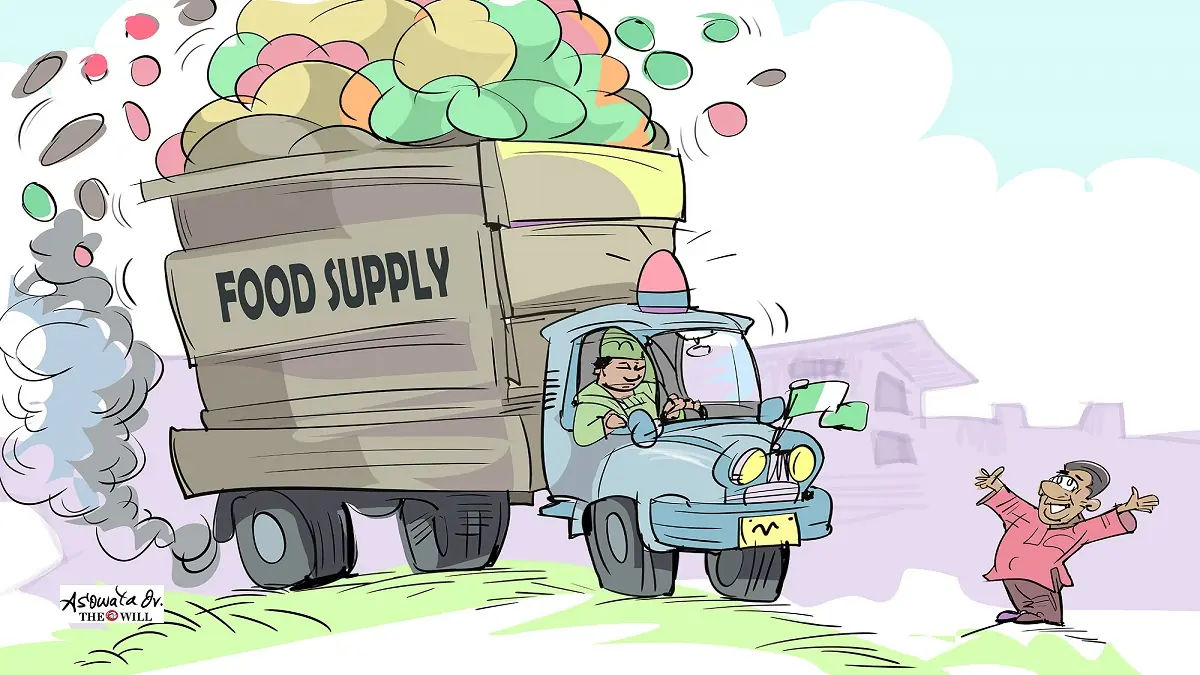
Food is essential for nourishing the body, developing the brain, and strengthening immunity. However, in Nigeria, millions of families face a difficult choice between eating enough food and eating the right food. The country's food crisis is characterized by availability but unaffordability of nutritious food. Nigeria's National Bureau of Statistics reported a headline inflation of 15.43 percent in July 2026, while food inflation rose sharply to 20.31 percent. This disparity has significant consequences, including reduced household purchasing power and increased malnutrition.
The consequences of expensive food in Nigeria go beyond the dinner table, weakening productivity and constraining economic growth. The World Food Programme estimates that nearly 35 million Nigerians will face acute and severe food insecurity during the 2026 lean season. Additionally, 4.8 million children and women require nutrition assistance annually in northeastern Nigeria. This situation is not just a nutrition problem but also an economic-development issue. When food is available but nutrition is unaffordable, households often opt for cheaper food, compromising dietary quality.
The Food and Agriculture Organization's analysis of food prices reveals that basic starchy staples are the cheapest sources of calories, while vegetables, fruits, and animal-source foods are more expensive. In Nigeria, food prices rose faster than overall inflation between 2019 and 2024, with basic staples recording significant increases. This creates a nutrition affordability trap, where poor households change what they eat rather than stopping eating altogether. Families reduce consumption of eggs, fish, and fruits, and opt for cheaper carbohydrates.
The objective of food policy should be to make nutritious calories affordable, not just calories cheaper. The Food and Agriculture Organization defines the cost of a healthy diet as the cost of purchasing the least expensive locally available foods needed to meet energy requirements and food-based dietary guidelines. Affordability considers whether people can purchase that diet after meeting other essential needs. Nigeria's policy debate must shift towards addressing this issue.
Nutrition is often treated as a health-sector issue, but it is also an economic issue. A malnourished child today can become a less productive worker tomorrow. UNICEF Nigeria reports that only 17 percent of Nigerian babies are exclusively breastfed during their first six months, while only 18 percent of children aged 6–23 months receive the minimum acceptable diet. Stunting is associated with impaired cognitive development, poorer educational performance, and lower productivity in adulthood.
The economic argument for nutrition investment is compelling. Every child who suffers preventable malnutrition represents lost learning, reduced future earnings, and a smaller pool of productive human capital. Nigeria cannot address low productivity, youth unemployment, and poor educational outcomes while treating nutrition as an afterthought. A well-fed child is more likely to learn, and a well-nourished adolescent is better positioned to develop physically and intellectually.
To address this issue, Nigeria's agricultural strategy must move beyond measuring success by tonnes of food produced. The focus should be on producing enough of the foods Nigerians need for healthy diets. Nigeria has enormous agricultural potential, but production patterns, market incentives, and infrastructure do not always align with nutrition priorities. A farmer responds to prices and market opportunities, so producing a particular crop that is more profitable will naturally concentrate production in that area.
Key points
- Nigeria's food crisis is characterized by availability but unaffordability of nutritious food.
- The country's agricultural strategy must prioritize producing food that Nigerians need for healthy diets.
- Nutrition is not just a health issue but also an economic issue that requires investment in human capital.