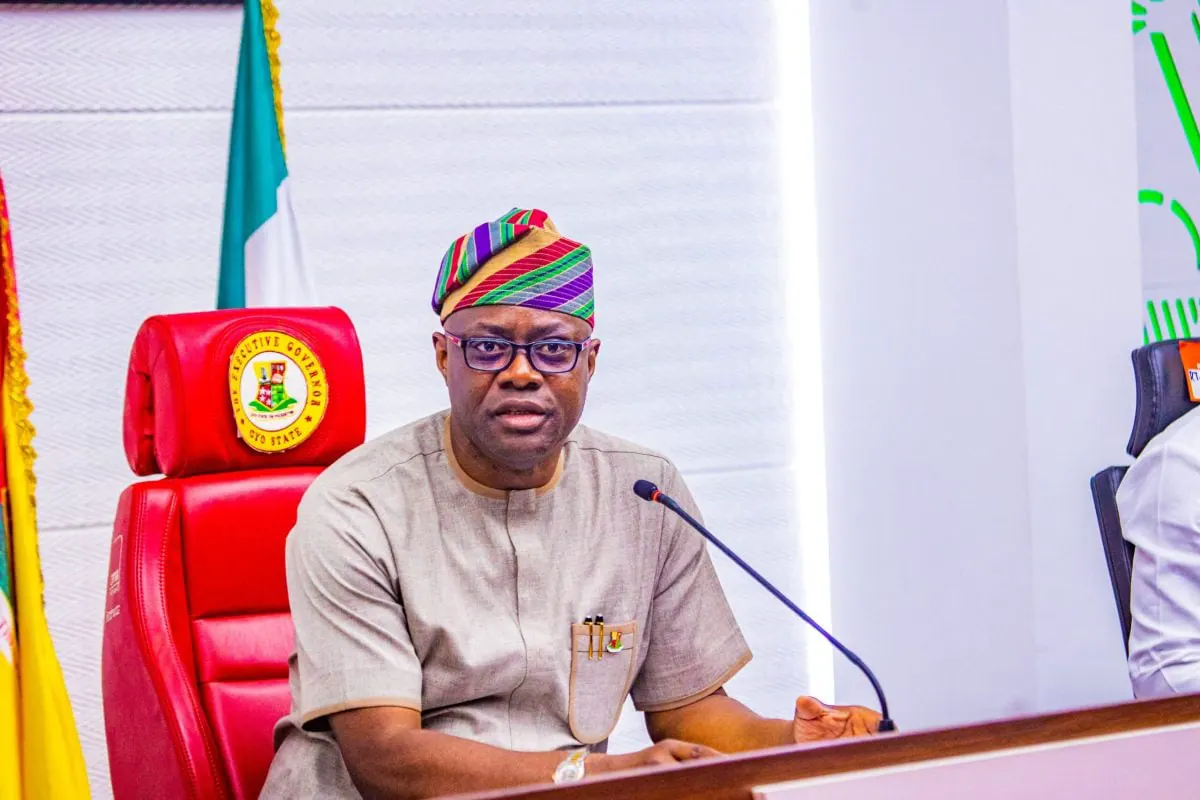
Oyo State Governor and presidential candidate of the Allied Peoples Movement (APM), Seyi Makinde, has introduced a four-point plan called the "Reset Agenda" aimed at transforming Nigeria. The agenda focuses on the economy, education, security, and socio-political development. Makinde's initiative seeks to address the country's major challenges and create better opportunities for citizens. He urged Nigerians to become "Resetters" and work towards a common goal of building a better nation.
The economic aspect of the Reset Agenda involves reducing structural costs that make living and doing business expensive. Makinde aims to improve infrastructure, support productive sectors, and create a more predictable environment for businesses to thrive. His experience in Oyo State has shown the importance of identifying factors that constrain economic activities and taking deliberate steps to address them. This includes investments in infrastructure, agribusiness, and the development of secondary cities.
Education is another crucial pillar of the Reset Agenda. Makinde emphasizes that Nigeria cannot build a competitive economy without investing in its people. He expressed concern over the lack of consistent and current data on out-of-school children and learning outcomes across the country. The education system must go beyond enrolling children in schools to ensuring they remain in school and learn. Makinde's administration in Oyo State has invested in education, increasing school enrollment and improving learning outcomes.
The security pillar of the Reset Agenda focuses on ensuring Nigerians can live without constantly worrying about threats to their lives and livelihoods. Makinde expressed concern about Nigeria's position on the Global Terrorism Index, which moved from eighth in 2023 to fourth in 2025. He advocates for a security strategy that emphasizes intelligence gathering, early warning, prevention, coordination, and stronger relationships between communities and security agencies. Oyo State's 615 toll-free emergency line and Security Control Room are examples of mechanisms to strengthen security response.
Makinde also addressed socio-political development, questioning the extent of federalism in Nigeria. He calls for a clearer distribution of responsibilities among the federal, state, and local governments. The issue should go beyond simply transferring powers from the Federal Government to state governments. Makinde stresses the need to determine which level of government is best placed to make specific decisions and whether it has the necessary institutions, resources, and accountability mechanisms.
The four pillars of the Reset Agenda are interconnected, with insecurity undermining farming and investment, poor education limiting workforce development, and a weak economy worsening poverty, unemployment, and insecurity. Makinde will provide more details on each pillar in the coming weeks, including evidence behind proposed policies, specific changes, and implementation measurements. His experience in governing Oyo State will also be part of the discussion.
The ultimate objective of the Reset Agenda is to provide practical answers to Nigerians on what will change and how such changes will improve their lives. Makinde aims to ensure that the agenda goes beyond a political slogan and leads to tangible improvements in the country. He will continue to engage with Nigerians, providing more information on the Reset Agenda and its implementation.
Key points
- The four pillars of the Reset Agenda are economy, education, security, and socio-political development.
- Makinde's initiative seeks to address Nigeria's major challenges and create better opportunities for citizens.
- The Reset Agenda is designed to be a comprehensive plan to revamp Nigeria and improve the lives of its citizens.