Makerere University has released findings from a research project aimed at addressing water scarcity and inadequate water and sanitation infrastructure in the Greater Kampala Metropolitan Area. The project, funded by the Government of Uganda, examined the major water and sanitation challenges associated with rapid expansion in the area. The research comes at a time when rapid urban expansion in Greater Kampala is placing increasing pressure on water resources, sanitation systems, and other essential urban infrastructure.
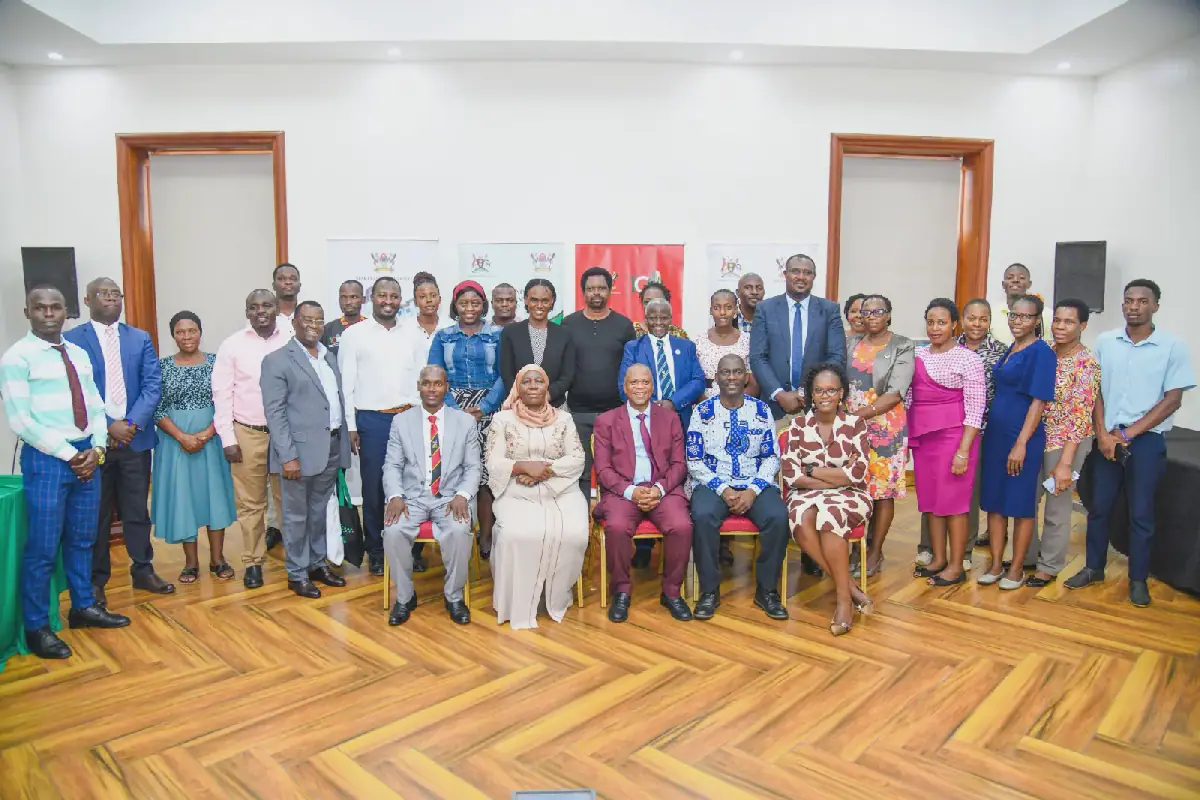
The study, titled "Urban Expansion Model for Mitigating Water Scarcity in the Greater Kampala Metropolitan Area," was disseminated by Prof. Moses Musinguzi, Acting Vice Chancellor of Makerere University. He welcomed Hon. Minsa Kabanda, Minister for Kampala City and Metropolitan Affairs, and reaffirmed the university's commitment to using research and innovation to address pressing societal challenges. Prof. Musinguzi said Makerere University remains committed to generating evidence and practical solutions that can contribute to national development and improve community welfare.
The research highlighted critical challenges affecting the metropolitan area, including contaminated water supplies, sewage overflows, and inadequate infrastructure. Hon. Kabanda commended the Government of Uganda, Makerere University, and other stakeholders involved in the research. She called for stronger collaboration between researchers and government institutions to ensure that the findings are translated into practical interventions. The Minister urged the researchers to engage with her team at the Kampala Capital City Authority (KCCA) to explore how the findings and proposed urban expansion model could be integrated into ongoing planning and development initiatives.
Dr. Nestor Mugabe, the project's Principal Investigator, emphasized the need for increased investment in water and sanitation infrastructure as cities continue to expand. He recommended investment in sustainable water and sanitation infrastructure equivalent to 0.5 percent of Gross Domestic Product (GDP). Dr. Mugabe also suggested adopting a predictive model for assessing urban expansion, enabling planners and policymakers to anticipate future growth and make informed decisions on infrastructure development.
The predictive approach could help authorities understand where urban growth is likely to occur and plan water, sanitation, and other essential services before infrastructure gaps become critical. According to the researchers, the model would enable planners to anticipate future growth and make informed decisions on infrastructure development. This approach is crucial in addressing the growing importance of integrated urban planning as Greater Kampala continues to expand.
The metropolitan area faces increasing pressure from population growth, unplanned development, changing land-use patterns, and inadequate infrastructure. These challenges can place additional strain on water sources and sanitation systems, potentially increasing the risks of contamination, flooding, and sewage-related public health concerns. The researchers stressed the need for urban development to be guided by reliable data, forecasting tools, and coordinated planning among government agencies, researchers, and other stakeholders.
The dissemination of the findings marks another step in Makerere University's efforts to translate research and innovation into practical solutions for Uganda's development challenges. The university emphasized the importance of continued collaboration between academia and government in ensuring that research contributes to sustainable development and improved service delivery in Greater Kampala. The project underscores the need for integrated urban planning to address the growing challenges in the metropolitan area.
Key points
- Makerere University has developed an urban expansion model to address water scarcity and inadequate infrastructure in Greater Kampala.
- The model aims to provide a predictive approach to assessing urban expansion and inform infrastructure development.
- The researchers emphasize the need for increased investment in water and sanitation infrastructure and coordinated planning among stakeholders.