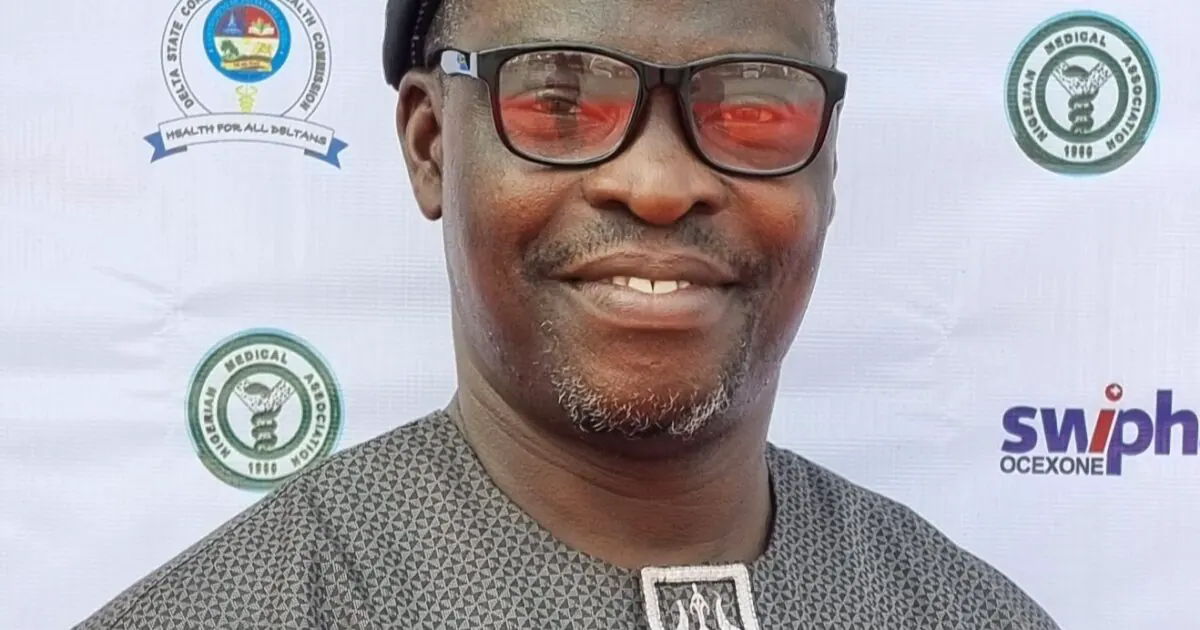
The Vice Chancellor of the Federal University of Medicine and Medical Sciences, Abeokuta, Ogun State, Prof. Fatiu Arogundade, has emphasized the need to address the growing burden of chronic kidney disease in Nigeria. He made this call while delivering the inaugural lecture series 430 of the Obafemi Awolowo University, Ile-Ife, Osun State. Arogundade, a Professor of Medicine and Nephrology, noted that chronic kidney disease affects a significant portion of Nigeria's population, particularly in their productive years.
According to Arogundade, chronic kidney disease still constitutes a significant health burden on Nigeria's population, with about a fifth of the population affected, although only 1 out of every 40 people manifest symptoms at any point in time. He stressed that the disease affects Nigerians in their economically productive years, resulting in a major drain on the country's resources. Therefore, efforts to confront the problem should commence with improving the knowledge of kidney health among the general population.
Arogundade suggested that kidney care be incorporated into the primary health care programme of the country, including early detection of kidney disease in children through screening at pre-admission levels from nursery to tertiary institutions. He also recommended improved awareness education, screening, and treatment for hypertension, diabetes, as well as prompt treatment of infections, including Highly Active Antiretroviral Therapy treatment for HIV, to reduce the burden and progression of associated kidney disease.
The medical practitioner also harped on the need to avoid recognized risk factors such as smoking, unrestricted consumption of analgesics, use of bleaching cream, unguarded use of local concoctions, and exposure to environmental toxins like hydrocarbon. Arogundade emphasized that chronic kidney disease has assumed epidemic proportions and is a major public health issue globally, requiring a national kidney care policy to provide coordinated kidney care and set standards for every Nigerian.
Arogundade called for access to life-saving procedures such as dialysis or transplantation to be made available to all Nigerians, regardless of their economic status, location, or social class. He added that this is a task that must be undertaken by all stakeholders, including the government, medical professionals, and the general public. The Professor of Medicine and Nephrology also noted that the Federal Government is taking deliberate steps to address the growing challenges confronting Nigeria's health sector.
The establishment of new medical universities is part of the government's strategy to strengthen healthcare manpower and bridge personnel shortages in the country. Arogundade expressed surprise at the honour done to him following his appointment as the pioneer vice chancellor of the Federal University of Medicine and Medical Sciences, Abeokuta, Ogun State. He described the support and goodwill of senior colleagues, associates, and stakeholders in the medical and academic communities as humbling.
The Vice Chancellor's call for improved kidney care in Nigeria comes as the country continues to grapple with the challenges of providing adequate healthcare services to its population. With the burden of chronic kidney disease expected to continue growing, Arogundade's suggestions for incorporation into primary health care and improved awareness education are expected to contribute to the development of a national strategy to address the disease.
Key points
- Prof. Fatiu Arogundade urges the Federal Government to incorporate kidney care into the primary health care programme.
- Chronic kidney disease affects a fifth of Nigeria's population, particularly in their productive years.
- Arogundade recommends improved awareness education, screening, and treatment for hypertension, diabetes, and infections to reduce the burden of kidney disease.