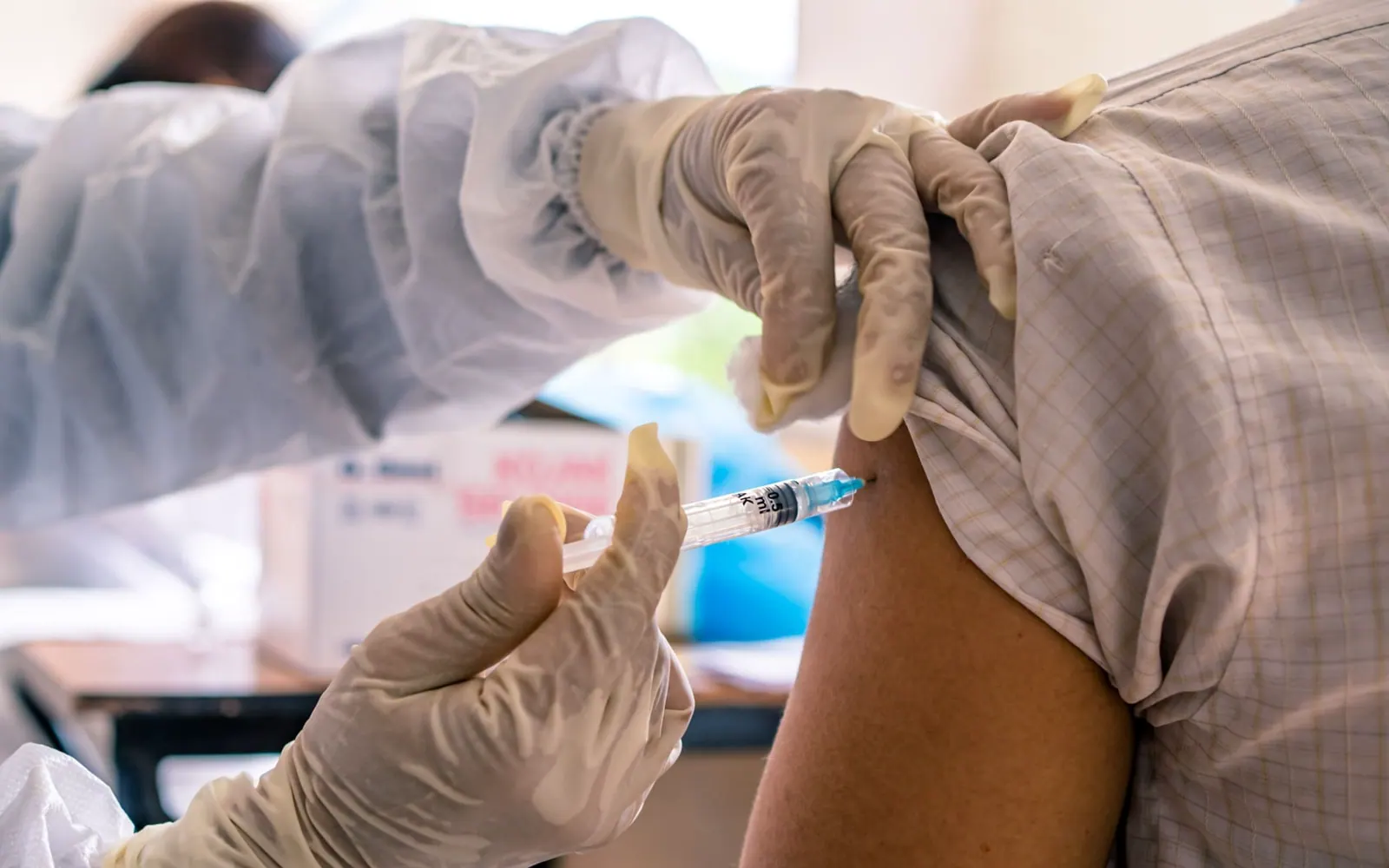
A recent study conducted in Cabo Verde has found that nearly 95% of participants recognize the benefits of vaccination, citing protection against serious diseases and group immunity as primary advantages. However, the majority of individuals are unaware of the vaccines recommended for adults. The study, promoted by the Movement of Patients for Vaccination (MOVA), involved a sample of 1,500 people aged 18 or older, with and without chronic disease diagnoses.
The study, carried out between May 28 and August 4, 2026, reveals that 63.9% of participants are unaware of the vaccines integrated into the National Vaccination Program (PNV). This percentage increases to 76.4% among individuals without chronic diseases. Furthermore, 50.2% of participants are unfamiliar with the vaccines recommended for their age group or health condition, with 41% having chronic diseases.
The study also highlights a significant lack of knowledge regarding vaccines for adults outside the PNV. A staggering 90.5% of participants are unaware of their existence, and 62.1% are unable to identify which ones they would like to see included in the future. According to José Albino from MOVA, it is essential to provide individuals with basic knowledge about available vaccines to enable informed decisions about their health.
The primary reason cited by participants who do not vaccinate annually against influenza or COVID-19 is not feeling at risk (38.8%). Additionally, half of the participants do not consider seasonal vaccination a personal priority, with this value increasing to 67.5% among healthy individuals. Among chronic patients with overdue vaccines (7.6% of the total), approximately 45% are aware of the delay but do not consider vaccination necessary.
The study also reveals that 74.9% of participants have never heard of the concepts "vaccine hesitation" or "vaccine fatigue." Nevertheless, 56.8% associate these concepts with serious public health problems. Although 21.1% admit to never having reflected on the impact of third-party vaccination on group immunity and community protection, the majority recognize the importance of vaccination.
The study highlights the significance of contact with healthcare professionals in promoting vaccination. While 74.9% of chronic patients report that their attending physician discusses vaccination during consultations, this proportion decreases to 43.3% among individuals without chronic diseases. Among adults aged 18-35, 21.7% claim that their doctor never addresses vaccination.
The study's findings indicate that, except for COVID-19 (80.3%) and influenza (53.3%), the uptake of other vaccines in the past five years is residual: 7.5% for pneumococcal, 4.9% for HPV, 1.5% for VSR, and 1.3% for Herpes Zóster. The study's results emphasize the need for a structured program to promote vaccination and provide individuals with the necessary information to make informed decisions about their health.
Key points
- Nearly 95% of individuals in Cabo Verde recognize the benefits of vaccination, but most lack knowledge on recommended vaccines for adults.
- 63.9% of participants are unaware of vaccines integrated into the National Vaccination Program (PNV).
- The study highlights the need for a structured program to promote vaccination and provide individuals with necessary information to make informed decisions about their health.