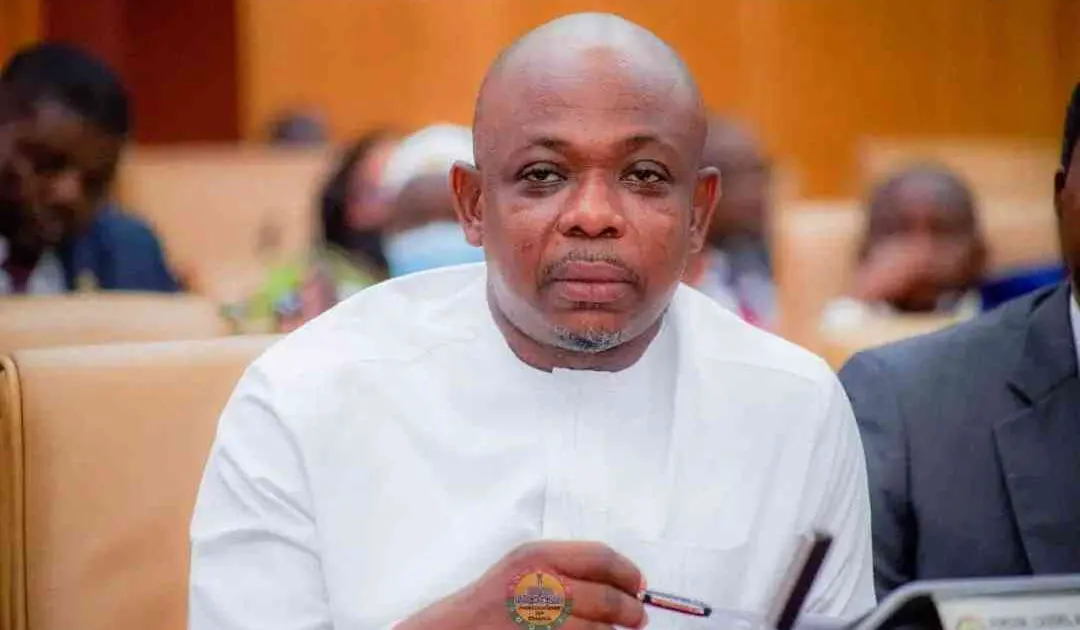
The Majority in Parliament has attributed Ghana's current struggles with narcotics trafficking to years of inadequate resourcing of the Narcotics Control Commission (NACOC) under the Akufo-Addo administration. Majority Leader and Chairman of Parliament’s Defence and Interior Committee, James Agalga, stated that the agency was not adequately equipped or staffed to deal with the increasingly sophisticated drug-trafficking industry. He emphasized the need for the public to understand the state of NACOC before 2025 to assess the current administration's measures.
According to Agalga, NACOC had been under-resourced, understaffed, and insufficiently institutionalized to effectively protect the country against narcotics trafficking. He pointed to a 2018 decision that removed NACOC from routine joint physical inspections of containers at the Tema Port, creating a blind spot in Ghana’s port security system. This change, Agalga argued, has had a lasting impact on the country's ability to detect narcotics.
Former Defence Minister Dominic Nitiwul disputed descriptions of NACOC's removal from the ports, stating that NACOC officers remained at the port but were stopped from participating in routine physical inspections. The reforms aimed to reduce delays and bureaucracy associated with multiple agencies inspecting the same containers. However, the competing accounts have become part of the wider debate over the 2018 changes and their impact on Ghana's narcotics control.
A former government official, Kofi Brako-Powers, argued that there is no data yet establishing a direct link between the 2018 policy decision and the recent spike in drug trafficking. The Majority's comments come amid heightened scrutiny following several major narcotics seizures involving Ghana-linked consignments, including nearly 3.9 tonnes of cocaine intercepted by French authorities at the Port of Dunkirk.
The recent seizures have triggered investigations in Ghana, with President John Dramani Mahama directing security agencies to develop a roadmap for preventing narcotics trafficking through the country’s borders. As part of the measures announced by the government, NACOC is being restored to the joint container inspection process at Ghana’s ports, while security and regulatory agencies have been directed to harmonize their operations.
The development comes ahead of Parliament’s scheduled sitting on September 29, following a petition by 48 MPs seeking an extraordinary sitting to scrutinize major narcotics seizures linked to Ghana. The Speaker’s notice recalling Parliament does not specify the business to be considered at the sitting, but the Majority’s position on NACOC’s resourcing and the 2018 port reforms is likely to form part of the wider political debate.
The Majority's call for stronger collaboration among security agencies to fight drug trafficking in Ghana has been echoed by other stakeholders. The Catholic Bishops have welcomed the task force to tackle the drug menace, acknowledging inter-agency efforts. As the debate continues, stakeholders are emphasizing the need for a comprehensive approach to address Ghana's narcotics challenges.
Key points
- The Majority in Parliament blames under-resourcing of NACOC under Akufo-Addo for current narcotics challenges.
- A 2018 decision removed NACOC from routine joint physical inspections of containers at the Tema Port.
- The government has announced measures to restore NACOC to the joint container inspection process at Ghana’s ports.