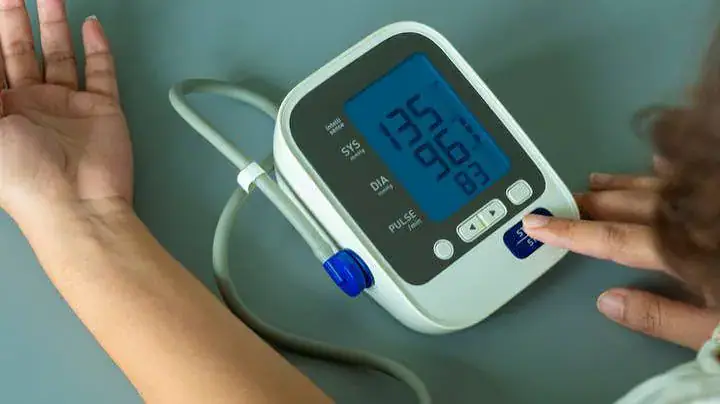
Blood pressure is a vital indicator of heart and blood vessel health. Any irregularities in its levels, whether high or low, can impact the efficiency of blood circulation and lead to various health problems. Factors such as diet, physical activity level, and fluid intake can influence blood pressure, along with certain medical conditions and medications. Regular monitoring is crucial to detect any potential issues.
According to the American Heart Association, normal blood pressure readings are below 120/80 mmHg, while readings of 130/80 or higher are classified as high blood pressure. Low blood pressure is typically indicated by readings below 90/60 mmHg. However, individual tolerance to these numbers may vary, and symptoms should be taken into account when evaluating blood pressure readings.
Uncontrolled high blood pressure can increase the risk of heart disease, stroke, and kidney problems. Making lifestyle changes can help improve blood pressure readings and reduce associated risks. Five key steps to control high blood pressure include reducing salt and sodium-rich food intake, adopting a balanced diet, engaging in regular physical activity, gradually losing excess weight, and quitting smoking.
A well-balanced diet, such as the DASH diet, can help lower blood pressure by emphasizing vegetables, fruits, whole grains, and low-fat dairy products. Regular physical activity, like brisk walking, can also support heart health and regulate blood pressure. Additionally, limiting caffeine intake and avoiding smoking can contribute to maintaining stable blood pressure readings.
Low blood pressure, or hypotension, may not always require treatment, especially if it is asymptomatic. However, if symptoms like dizziness, weakness, or fainting occur, it is essential to investigate the cause. Five guidelines for managing low blood pressure include staying hydrated, changing body position gradually, eating smaller meals, avoiding prolonged standing, and reviewing medications and underlying health conditions.
Certain signs and symptoms require immediate medical attention, such as severely high blood pressure readings above 180/120 mmHg or low blood pressure accompanied by fainting, confusion, or cold skin. If these symptoms occur, it is crucial to seek medical help promptly to prevent potential complications.
Maintaining stable blood pressure readings requires awareness, regular monitoring, and proper medical care. By understanding the causes of blood pressure fluctuations and taking preventive measures, individuals can reduce their risk of developing related health problems and ensure overall cardiovascular well-being.
Key points
- Uncontrolled high blood pressure can increase the risk of heart disease, stroke, and kidney problems.
- Making lifestyle changes, such as adopting a balanced diet and engaging in regular physical activity, can help improve blood pressure readings.
- Low blood pressure, or hypotension, may require investigation and treatment if symptoms like dizziness, weakness, or fainting occur.