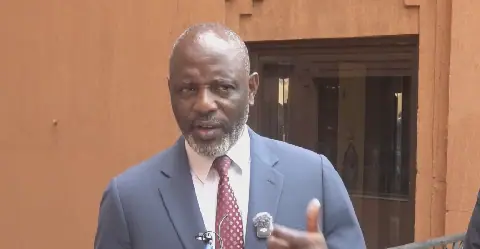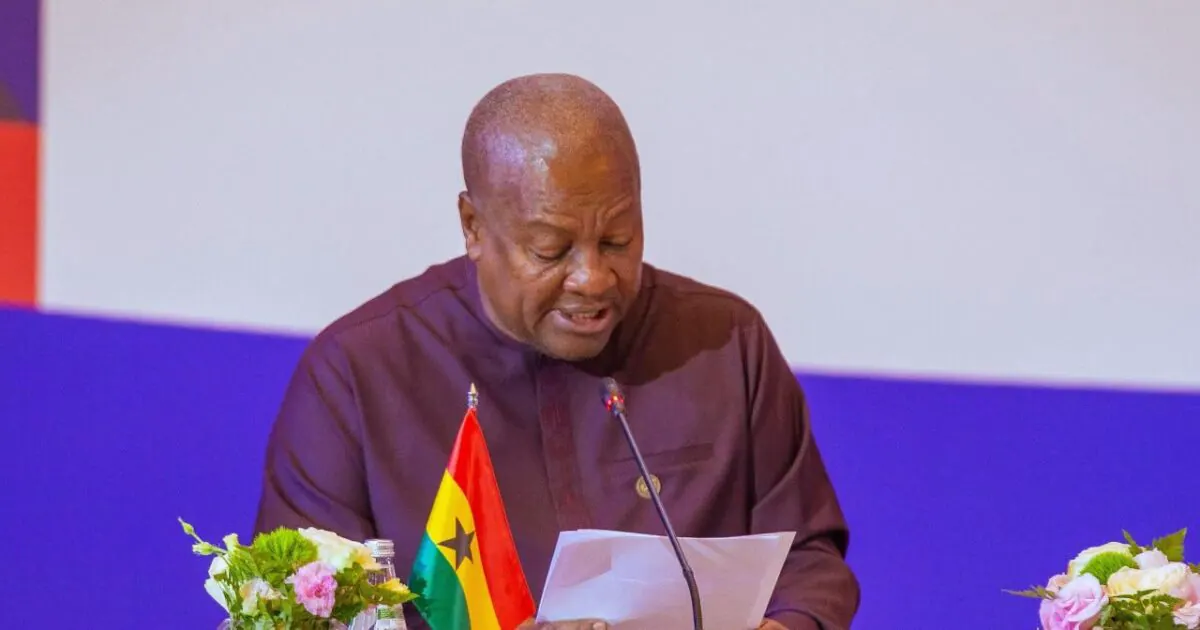
Former Ghanaian President John Dramani Mahama has made a compelling appeal to multilateral development banks, international financial institutions, global foundations, and private sector partners to invest in Africa's cultural infrastructure. He emphasized that greater investment is necessary to strengthen the continent's ability to preserve, research, and showcase its cultural heritage. This call to action comes as efforts intensify to secure the restitution of African artefacts currently held abroad. Mahama's statement underscores the significance of cultural heritage in Africa's development.
Mahama's remarks were made at a High-Level Side Event on the Next Steps on the sidelines of the 81st United Nations General Assembly in New York. During the event, he stressed that cultural heritage should be treated as a vital component of Africa's development. By investing in cultural infrastructure, African countries can effectively receive, preserve, and manage artefacts and other heritage materials returned to the continent. This, in turn, will help to promote a deeper understanding and appreciation of Africa's rich cultural diversity.
The former President urged development partners to channel financing into regional archives, conservation laboratories, and digitisation initiatives. He also emphasized the need for professional training for a new generation of African curators and historians. These investments will not only help to preserve Africa's cultural heritage but also create new opportunities for economic growth and development. By supporting the development of cultural infrastructure, global institutions can help to promote Africa's cultural identity and foster a sense of pride and ownership among its people.
Mahama's call to action forms part of Ghana's broader reparatory justice agenda, which seeks to move beyond acknowledgement of historical injustices towards practical measures. The restitution of African cultural property is a critical aspect of this agenda, and Mahama's appeal to global institutions is a significant step towards achieving this goal. By working together, Africa and the international community can help to promote a more equitable and just global cultural landscape.
The significance of Mahama's appeal cannot be overstated. Africa is home to a rich and diverse cultural heritage, but much of this heritage is currently held abroad. By investing in cultural infrastructure, global institutions can help to promote the preservation and celebration of Africa's cultural heritage. This, in turn, will help to foster a deeper understanding and appreciation of Africa's contributions to global culture.
Mahama's statement has been welcomed by many as a timely and important call to action. It highlights the need for global institutions to take a more proactive role in supporting the preservation and celebration of Africa's cultural heritage. By working together, Africa and the international community can help to promote a more inclusive and equitable global cultural landscape.
In conclusion, Mahama's appeal to global institutions to invest in Africa's cultural infrastructure is a significant step towards promoting the preservation and celebration of Africa's cultural heritage. It highlights the need for a more proactive and collaborative approach to cultural preservation and restitution. By working together, Africa and the international community can help to promote a more just and equitable global cultural landscape.
Key points
- Former Ghanaian President John Dramani Mahama has called on global institutions to invest in Africa's cultural infrastructure to preserve and showcase the continent's heritage.
- Mahama's appeal forms part of Ghana's broader reparatory justice agenda, which seeks to move beyond acknowledgement of historical injustices towards practical measures.
- The investments will help African countries effectively receive, preserve, and manage artefacts and other heritage materials returned to the continent.