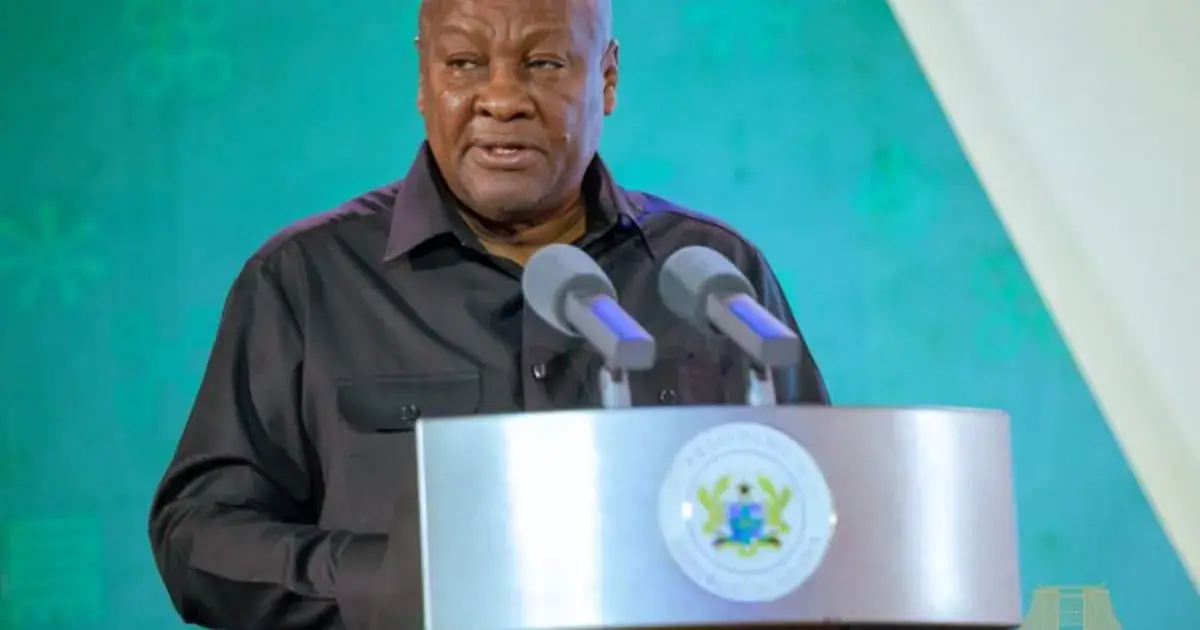
President John Dramani Mahama has intensified efforts to attract significant private investment into Ghana's industrial sector. His goal is to translate recent macroeconomic gains into expanded production, value addition, and export growth. This strategic shift is part of the government's broader plan to drive industrialization and create a more diversified economy. By engaging with potential investors, Mahama aims to highlight Ghana's growth potential and favorable investment climate.
The government's focus on industrialization marks a shift from its previous emphasis on macroeconomic stability. This change in strategy is driven by the need to create jobs, stimulate economic growth, and increase the country's competitiveness. Mahama's efforts to woo investors are seen as crucial to achieving these objectives. The President's engagement with the private sector is expected to lead to the development of new industries, modernization of existing ones, and enhancement of the business environment.
Ghana has made notable progress in stabilizing its economy, and the government is now seeking to build on this foundation. Recent data indicate that the country has made significant strides in controlling inflation and improving its fiscal position. These gains have created a favorable environment for investment, and Mahama is keen to capitalize on this momentum. By attracting private investment, the government aims to accelerate economic growth and improve living standards.
The industrial sector is a key area of focus for the government's investment drive. Ghana has significant potential for growth in industries such as agro-processing, manufacturing, and services. The government is working to create an enabling environment for investors, including the development of infrastructure and the implementation of supportive policies. Mahama's efforts to engage with investors are expected to lead to the identification of new opportunities and the development of strategic partnerships.
Several recent developments demonstrate the government's commitment to driving industrialization and attracting investment. For example, NADKANSCO Processing Limited has inaugurated a 100-metric-tonne-per-day cashew processing plant in the Bono East Region. This investment is part of Ghana's drive to expand agro-processing, increase export earnings, and retain more value from its agricultural commodities. The government is also promoting the growth of other industries, including rice production.
The government's plan to prohibit commercial rice imports by 2030 has been welcomed by local farmers and processors. This policy shift is part of a broader strategy to support the agricultural sector and promote food security. The ban on rice imports is expected to create new opportunities for domestic producers and help to stimulate growth in the sector. Mahama's efforts to attract investment are also expected to lead to the development of new industries and the expansion of existing ones.
As Mahama continues to engage with investors, the government is likely to announce new initiatives and partnerships in the coming months. The President's efforts to drive industrialization and attract investment are seen as crucial to Ghana's economic development. With the right policies and investments in place, Ghana has the potential to become a major player in West Africa and a hub for business and trade in the region.
Key points
- President John Dramani Mahama is seeking to attract large-scale private investment into Ghana's industrial sector to drive growth and job creation.
Reporting sources
- Business | November 18, 2026 Mahama woos investors as gov’t shifts from stability to industrialisation · Business and Financial Times