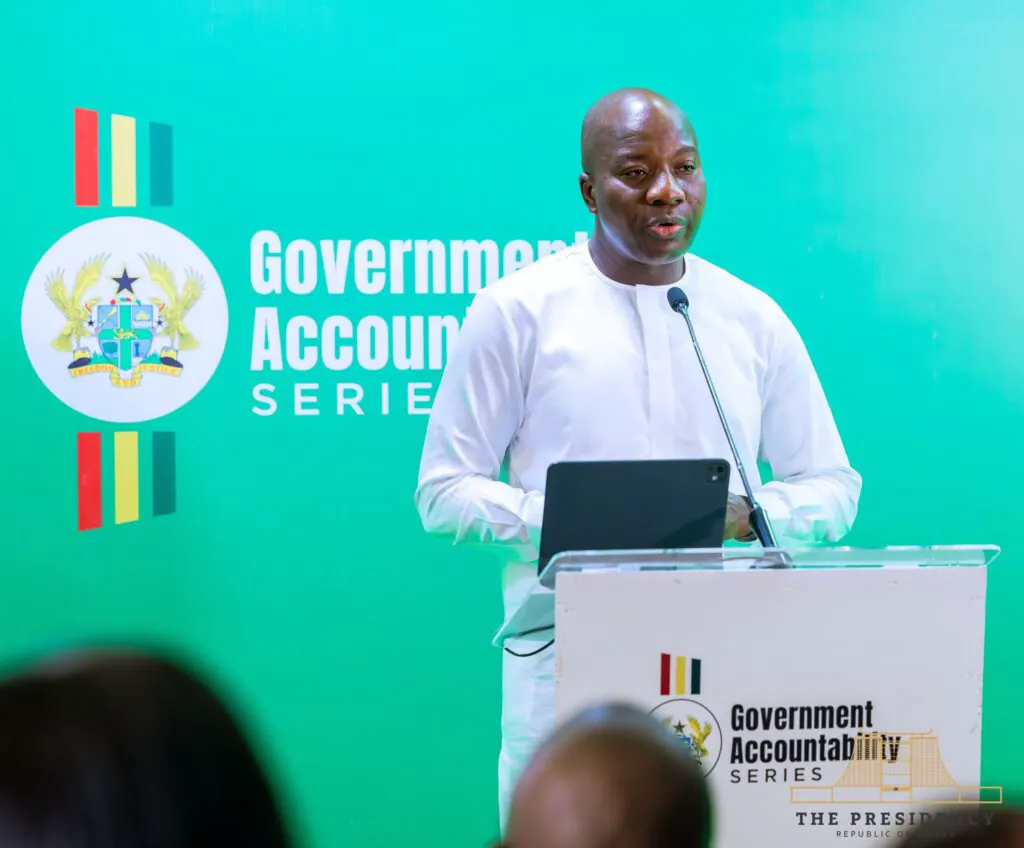
Ghana's Minister for Local Government, Chieftaincy and Religious Affairs, Mahama Ayariga, has assured that the administration of President John Dramani Mahama is well-equipped to tackle the country's decades-long sanitation crisis. Speaking at the Government Accountability Series in Accra on October 5, 2026, Ayariga emphasized that the government is addressing challenges like open defecation, poor waste management, and choked drainage systems with determination and modern infrastructure.
According to Ayariga, the government's approach moves away from temporary fixes, focusing on sustainable, decentralized engineering and strict enforcement of local bylaws. This strategy aims to provide a lasting solution to Ghana's sanitation problems. The Minister noted that the administration has already initiated partnerships to construct regional waste recycling plants and expand engineered landfills across major urban centers.
Ayariga stated that the current administration is treating sanitation as a national security and public health priority under President Mahama's leadership. The government is deploying necessary resources, strengthening local assemblies, and tracking progress aggressively to win the fight against poor sanitation. He also called on traditional leaders, civil society organizations, and citizens to complement government efforts by fostering a culture of environmental cleanliness at the community level.
To drive local accountability, the Ministry is expected to roll out a comprehensive national sanitation ranking system for Metropolitan, Municipal, and District Assemblies (MMDAs) later this month. This system will enable the government to monitor progress and identify areas that require improvement. Ayariga expressed confidence that with the collective efforts of all stakeholders, Ghana can make significant strides in addressing its sanitation challenges.
The Minister has called on Ghanaians to give his outfit and the government one year to demonstrate the results of their efforts in efficient waste management. He believes that within this timeframe, the government will be able to show tangible progress in addressing the country's sanitation crisis. The Minister's statement has generated optimism among Ghanaians that the country may finally be able to overcome its longstanding sanitation challenges.
The government's commitment to addressing Ghana's sanitation crisis has been welcomed by various stakeholders, who believe that this is a critical step towards improving the country's public health and environmental cleanliness. The Ministry's efforts to engage traditional leaders, civil society organizations, and citizens in the fight against poor sanitation are seen as a positive move towards achieving the government's goals.
The Ministry's initiative to tackle Ghana's sanitation crisis is a significant development in the country's efforts to improve its environmental and public health. With a comprehensive approach that involves partnerships, infrastructure development, and community engagement, the government is optimistic about making a lasting impact in the sector.
Key points
- The Ghanaian government has initiated partnerships to construct regional waste recycling plants and expand engineered landfills across major urban centers.