The telecommunications landscape in Madagascar is on the cusp of change with a new bill aimed at increasing competition and accessibility. Currently, the market is dominated by three mobile operators, with a new entrant required to have 100 million lines and a presence in ten countries. This has proven to be a significant barrier, with three foreign investors having withdrawn from the market due to these stringent requirements.
The existing infrastructure covers 81% of the population, but internet penetration remains low, with only 14.3% of Malgaches using mobile internet on their phones. The high cost of smartphones and data plans is a major deterrent, with the cost of a basic smartphone being equivalent to over a month's income for most households. Furthermore, the cost of data plans, although reduced recently, still stands at 7.8% of the average income, far exceeding the international target of less than 2%.
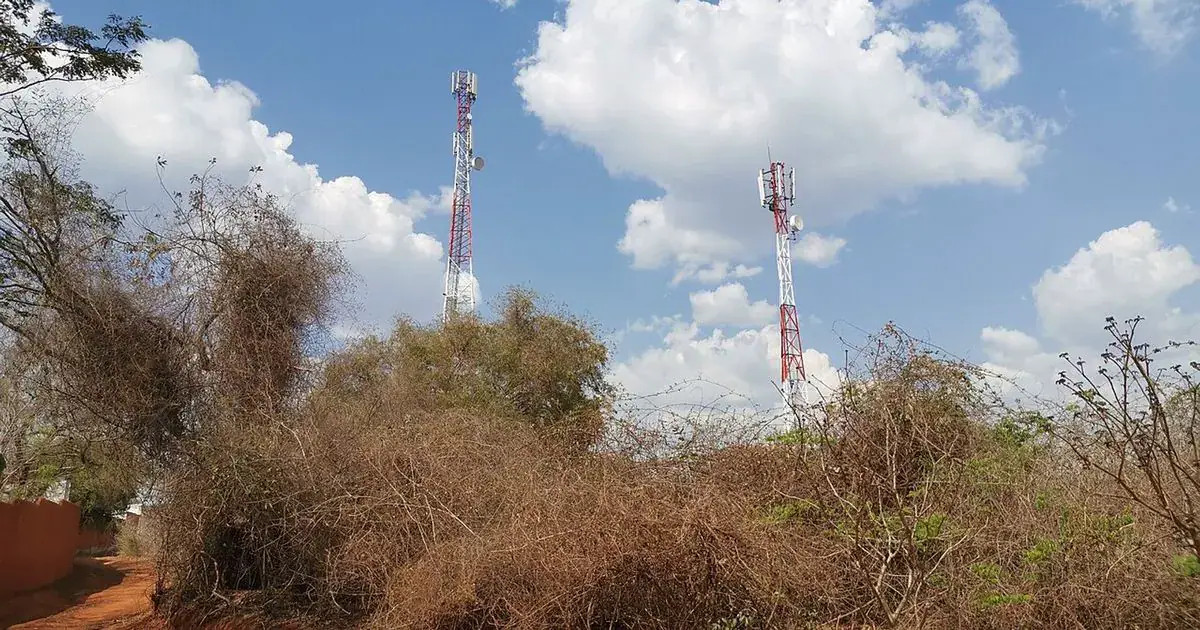
The proposed bill seeks to address these issues by introducing a new licensing regime, abolishing exclusive rights, and establishing an independent regulatory authority. The bill also mandates infrastructure sharing among operators to accelerate coverage in isolated areas. Additionally, it guarantees the stability of regulatory, tax, and customs rules during the license period, a key demand from investors.
The introduction of a new operator is expected to drive down prices and increase accessibility. With a new entrant, customers are likely to benefit from competitive pricing and increased data volumes. Infrastructure sharing will also enable operators to expand their coverage more rapidly and cost-effectively, particularly in rural areas.
The GSMA estimates that the proposed measures, including tax reductions, could add 4,100 billion ariary to Madagascar's GDP by 2031, representing a 3.3% increase. This growth is expected to have a positive impact on various sectors, including agriculture, which will benefit from improved access to market information, weather forecasts, and agricultural advice.
Despite the potential benefits, the bill's progress has been delayed. Submitted on August 28, it was withdrawn from the National Assembly's agenda due to the minister's resignation on November 3. Until the bill is passed, the 100-million-line requirement remains in place, and the entry of a fourth operator remains uncertain.
The telecommunications sector in Madagascar is at a critical juncture, with the new bill offering a chance to increase competition, accessibility, and economic growth. As the country awaits the bill's passage, stakeholders remain hopeful that the proposed changes will unlock the sector's potential and drive development.
Key points
- The proposed bill aims to increase competition and accessibility in Madagascar's telecoms sector by introducing a new licensing regime and infrastructure sharing.