The Villageois Malagasy Association, or Avima, is a grassroots organization dedicated to promoting sustainable and solidarity tourism in Madagascar. With a presence in several regions, including Vakinankaratra, Atsimo-Andrefana, and Diana, Avima aims to drive territorial development through the commercialization of community-based tourism products. By training local farmers in hospitality, language skills, and environmental conservation, Avima enables them to manage tourist accommodations, provide guided tours, and showcase local culture.
Avima's project was born out of a decentralized cooperation between Madagascar and France's Auvergne region in 2008. After the partnership ended in 2016, Avima collaborated with the German Agency for International Cooperation's (GIZ) Program for Environmental Management (Page) in the Diana and Atsimo-Andrefana regions. This partnership supported training and communication initiatives, focusing on environmental protection and community empowerment. Avima's goal is to make local structures and farmers self-sufficient, allowing them to manage and benefit from tourism activities.
Environmental conservation is a core aspect of Avima's mission. The association plants fruit and forest trees, practices apiculture, and engages in various eco-friendly activities. For every Avima-organized stay sold, 10% of the revenue goes towards territorial development, including distributing school kits, improving infant nutrition, and supporting larger-scale projects like bridge construction, reforestation, and rice-fish farming. By linking tourism to environmental protection and community development, Avima strives to create a positive impact on local ecosystems.
Avima welcomes tourists into typical village homes, offering local cuisine, cultural experiences, and guided tours. Visitors can participate in activities like rice planting, fishing, and handicraft-making, while enjoying traditional music and dance performances. The association works closely with tour operators to promote its services, including a website for online booking and information. By participating in international tourism events, Avima increases its visibility and attracts tourists interested in sustainable and responsible travel.
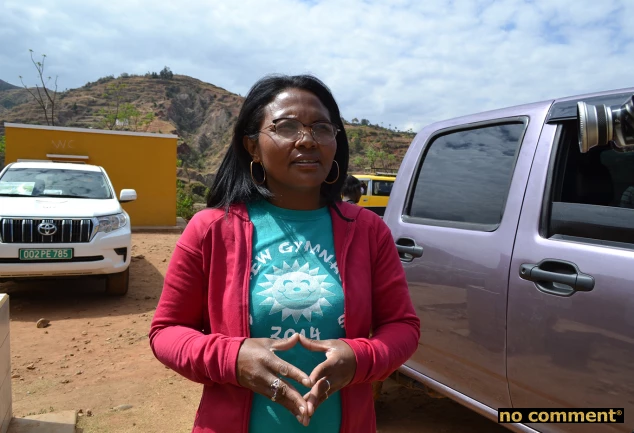
According to Avima's responsible, Felana Randrianarisoa, the organization has seen a rise in tourist arrivals since Madagascar's borders reopened. With an average of two to ten tourists per village per month, Avima is working to regain momentum after the COVID-19 pandemic. The association's network of local partners and tour operators helps to promote its services, including a popular circuit combining Antananarivo, Tsingy de Bemaraha, and village stays. As sustainable tourism grows in popularity, Avima is well-positioned to capitalize on this trend.
Avima's impact extends beyond tourism, contributing to the socio-economic development of rural communities. By providing training, income-generating opportunities, and environmental conservation initiatives, the association empowers local populations to manage their resources and improve their livelihoods. As a result, Avima plays a vital role in Madagascar's efforts to balance economic growth with environmental protection and social responsibility.
Moving forward, Avima aims to continue promoting sustainable tourism practices, supporting local communities, and preserving Madagascar's unique environment. With its comprehensive approach to community-based tourism, Avima sets an example for responsible travel and rural development in Madagascar and beyond.
Key points
- 10% of Avima's revenue goes directly towards territorial development and community projects.
- Avima operates in multiple regions, including Vakinankaratra, Atsimo-Andrefana, and Diana.
- The association provides training and income-generating opportunities for local farmers and communities.