The Maâtkas communal football stadium project in Algeria's Tizi Ouzou province has encountered significant opposition, hindering its realization. The daïra of Maâtkas, with a population of 50,000, has immense youth potential, with a majority passionate about football. Several local clubs exist, attracting numerous young players. However, the project faces challenges, including land disputes and administrative issues.
Previously, football was played at the "Fekrane" stadium in Souk-el-Tenine, but it was repurposed for a hospital due to the region's need for healthcare infrastructure. The local authorities, Assemblée Populaire Communale (APC), selected an alternative site for the new stadium, but it was rejected by the administration, citing that the land belonged to the agriculture department and was allocated to a private individual for exploitation.
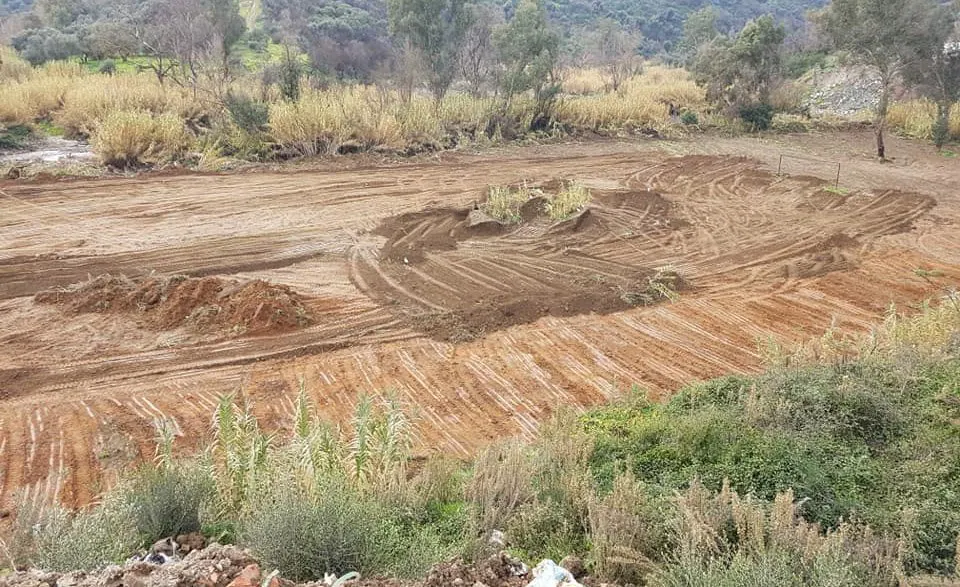
Despite the land being unsuitable for agriculture and not being utilized by the beneficiary for decades, the administration refused to reconsider. In another commune of the daïra, Maatkas, landowners opposed two attempts to establish a stadium. The first attempt, near Souk-el-Khemis, was halted when the descendants of the landowner who had donated the land previously objected to the project, citing a lack of documentation.
The second case involves a citizen who opposed the stadium project in the Iverkouken sector, leading to a halt in construction. The land was initially donated by citizens of the village, and although initial works had begun, the opposition led to a stop in progress. The absence of a suitable stadium affects not only the local youth but also the three teams from the daïra, which are forced to train and host matches in distant locations.
The teams, including Olympique sportive de Maatkas (OSM), Football club d'Ait Zaim (FCA), and Itihad riadhi baladiat Souk-el-Tenine (IRBST), face significant challenges due to the lack of infrastructure. They are required to travel over 20 kilometers to use stades in Mechtras, Boghni, and Béni Douala, resulting in increased expenses and negatively impacting their performance.
According to a source from the APC, the current elected officials face difficulties due to the lack of documentation from previous administrations. The absence of a stadium has severe consequences for the local football community, affecting both the players and the teams' financial situations.
The project's stagnation has significant implications for the region, with residents and officials calling for swift resolution to the issues. The realization of the stadium project would greatly benefit the community, providing a much-needed space for local football teams and enthusiasts.
Key points
- The Maâtkas football stadium project faces opposition from landowners and administrative hurdles.
- The lack of a suitable stadium affects the local football community, forcing teams to train and host matches in distant locations.
- The project's stagnation has severe consequences for the region, with residents and officials seeking a swift resolution to the issues.