Seven Lusophone countries, including Angola, Brazil, Cabo Verde, Guiné-Bissau, Moçambique, São Tomé e Príncipe, and Timor-Leste, have been identified as emitting less than 3% of global greenhouse gases. According to the EDGAR report, these countries emitted a total of 2.62% of global emissions in 2025, which amounts to 54,149 million tons. Brazil alone accounted for 2.4% of global emissions, with 1,307 million tons of CO2 equivalent.
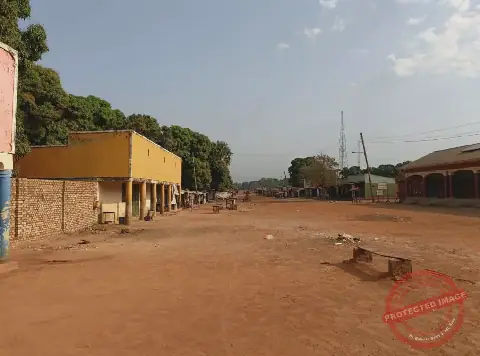
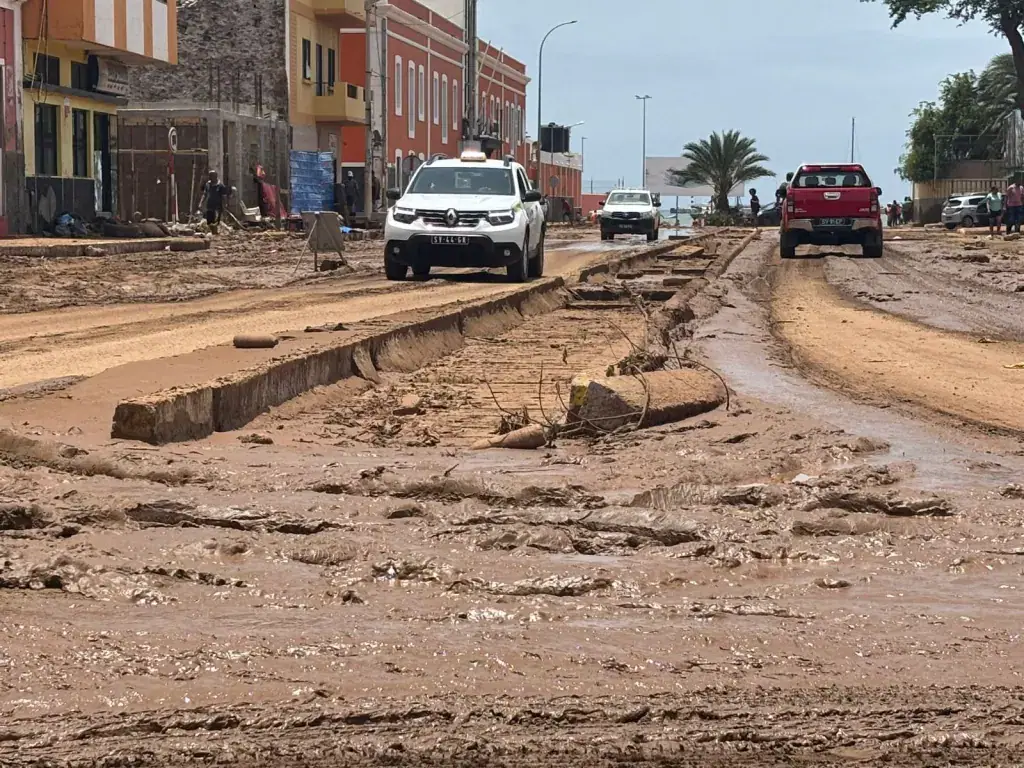
The EDGAR report highlights that Angola, Moçambique, Guiné-Bissau, Timor-Leste, Cabo Verde, and São Tomé e Príncipe are among the countries most vulnerable to climate change impacts. These countries face severe challenges such as droughts, floods, and rising sea levels. For instance, Guiné-Bissau and São Tomé e Príncipe are exposed to sea-level rise and coastal erosion, with up to 80% of Guiné-Bissau's population living in low-lying coastal areas.
Cabo Verde is experiencing frequent droughts and irregular rainfall, while Timor-Leste faces a rising sea level at a rate faster than the global average. Moçambique is prone to cyclones and frequent floods, and Angola is dealing with prolonged droughts affecting thousands of people. These countries have submitted their nationally determined contributions (NDCs) to the United Nations, outlining their plans to reduce emissions and adapt to climate change.
The NDCs reveal that most of these countries have conditioned their climate targets on external support. For example, Brazil aims to reduce emissions by 59-67% by 2035, while Cabo Verde targets an 18% reduction without external support and up to 39% with international aid. The NDCs also highlight the significant financial needs of these countries to achieve their climate goals.
The financial requirements for these countries to meet their climate objectives are substantial. Angola estimates a cost of $412 billion for mitigation between 2025 and 2035, while São Tomé e Príncipe requires $886 million by 2035. Guiné-Bissau needs $684 million for mitigation, equivalent to 23% of its GDP. These countries rely heavily on external financing to achieve their climate targets.
The EDGAR report also notes that the emission figures do not include forests and land use, which can significantly impact the overall emissions of countries like Angola and Moçambique. For instance, Angola's national inventory reported 211.5 million tons of CO2 equivalent in 2020, with 84% coming from deforestation and land use. Similarly, Moçambique's emissions increase from 30.6 million tons to 91.3 million tons when including forests.
The climate challenges faced by Lusophone countries highlight the need for international cooperation and support. The countries' NDCs emphasize the importance of external financing and technology transfer to achieve their climate goals. As the global community gathers to address climate change, the vulnerabilities and needs of countries like those in the Lusophone region must be taken into account.
Key points
- Seven Lusophone countries emit less than 3% of global greenhouse gases but face severe climate change impacts.
- These countries have submitted their nationally determined contributions to the United Nations, outlining their plans to reduce emissions and adapt to climate change.
- The countries' climate targets are heavily conditioned on external support, with significant financial needs to achieve their objectives.
Reporting sources
- COP31: Países lusófonos emitem pouco, mas sofrem mais · Expresso das Ilhas