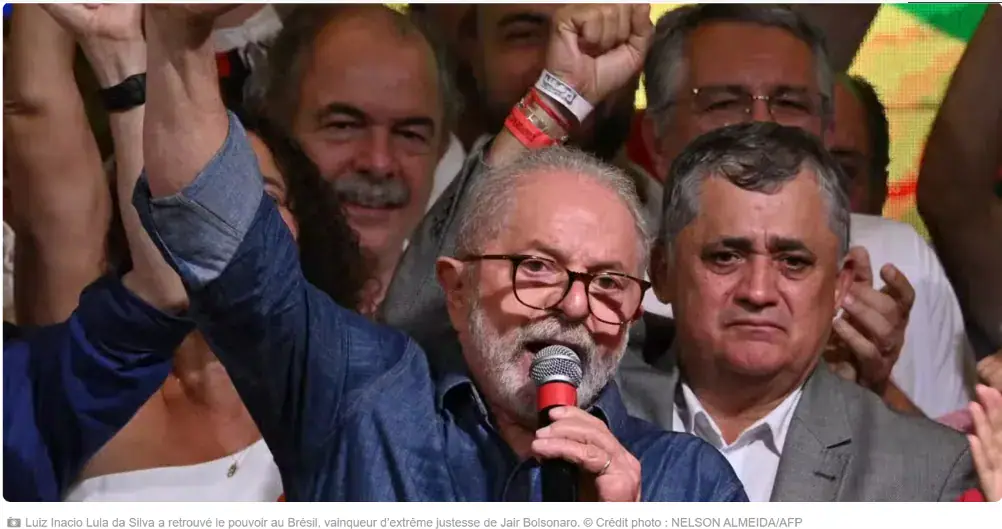
The second round of the Brazilian presidential election took place on October 25, 2026, pitting left-wing candidate Luiz Inácio da Silva Lula against right-wing candidate Flavio Bolsonaro. Lula, who has run for president four times, secured a surprise victory, according to reports from Le Lynx. Flavio Bolsonaro, son of former President Jair Bolsonaro, had led in the first round with 51% of the vote but ultimately lost in the second round. Lula's win has been seen as a significant upset.
Throughout the campaign, Lula and Flavio Bolsonaro were neck and neck in the polls, with Lula holding a slight advantage. The election saw a record-high abstention rate, with nearly 30 million voters abstaining from casting their ballots. This high abstention rate left the outcome of the election uncertain, with both camps intensifying their efforts to sway voters. Lula focused on issues such as purchasing power for the poor and indigenous populations, environmental protection, and promoting the interests of the global south.
Lula's campaign emphasized economic measures aimed at increasing taxes on large fortunes and promoting income growth for low-income individuals. In contrast, Flavio Bolsonaro's campaign prioritized the interests of large corporations, advocating for the exploitation of the Amazon rainforest and minimizing environmental regulations. These differing policy stances reflect fundamentally opposing visions for Brazil's future. Lula's victory signals a shift in the country's political landscape.
Flavio Bolsonaro had previously served as a spokesperson for his father's administration and maintained a strong stance against Lula during the campaign. Despite attempts to contest the results, Flavio Bolsonaro ultimately conceded defeat to Lula. The outcome of the election has significant implications for Brazil's governance, as Lula will face a challenging environment in implementing his policies due to his minority status in Congress.
Lula's election has garnered international attention, with many observers surprised by his victory. As president, Lula will need to navigate a complex political landscape to implement his agenda. According to Abraham Kayoko Doré, Lula's win marks a significant turning point in Brazilian politics. The new administration will prioritize addressing pressing social and economic issues.
Lula's campaign focused on addressing the needs of marginalized communities, including the poor and indigenous populations. His policies aim to promote greater economic equality and protect the environment. In contrast, Flavio Bolsonaro's campaign was seen as prioritizing the interests of wealthy corporations and powerful individuals.
As Lula prepares to take office, he faces significant challenges in Congress, where his party holds a minority position. Nevertheless, his victory demonstrates a strong public desire for change and a willingness to address pressing social and economic issues. Lula's administration will need to work effectively with Congress to pass legislation and implement his policies.
Key points
- Lula's victory marks a significant shift in Brazilian politics, with a focus on social and economic policies benefiting marginalized communities.