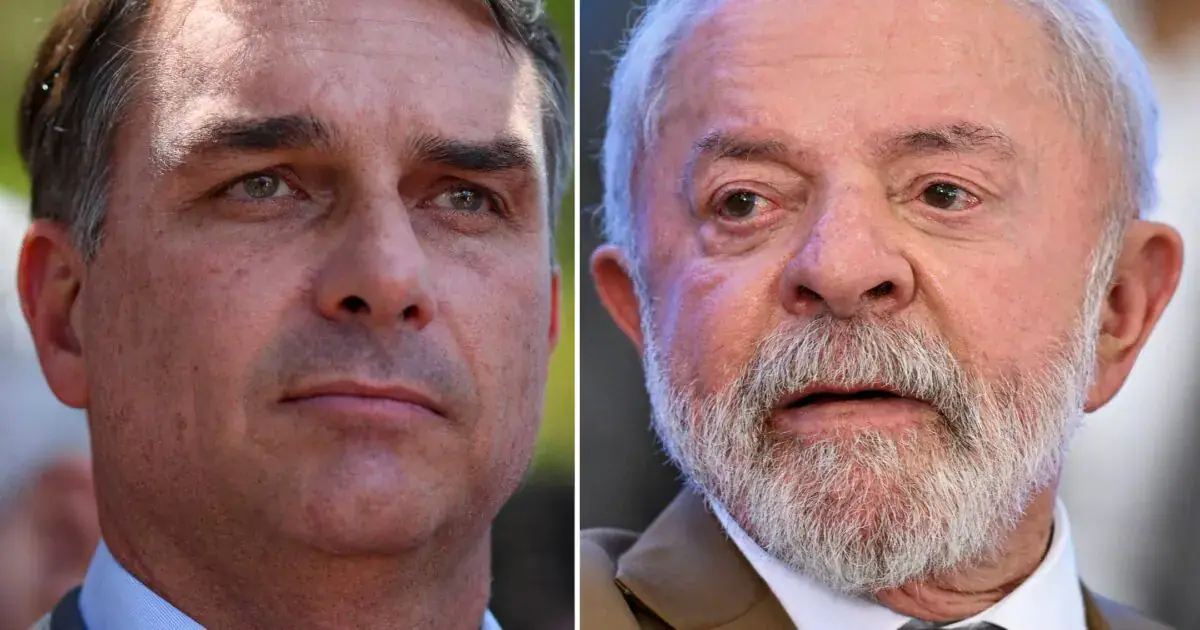
Brazilian President Luiz Inácio "Lula" da Silva has been re-elected, defeating centre-right senator Flavio Bolsonaro in a runoff election. Lula secured 51.79% of the valid votes, while Bolsonaro received 48.21%. This outcome may impact the growing trend of Latin American countries strengthening their ties with Israel. Lula's Workers' Party has historically maintained a more critical stance towards Israel, particularly regarding its military actions in Gaza.
During his previous term, Lula's government made several moves that strained relations with Israel. In January 2024, Brazil endorsed South Africa's decision to bring a "genocide" case against Israel before the International Court of Justice (ICJ). Lula also sparked controversy by comparing Palestinian suffering in Gaza to the Holocaust, triggering a diplomatic crisis with Israel. Brazil's Jewish umbrella organisation, CONIB, and the Holocaust Museum of Buenos Aires publicly criticised Lula's remarks.
In contrast, Bolsonaro had pledged to strengthen Brazil's diplomatic partnership with Israel. During a meeting with Jewish leaders in Buenos Aires on June 28, 2026, he promised to move Brazil's embassy to Jerusalem and re-establish an ambassador to Israel. Bolsonaro also praised the 120,000 Jews in Brazil, highlighting their contributions to the country's medicine, industry, science, culture, and business.
Bolsonaro's stance on Israel was echoed by Israeli Prime Minister Benjamin Netanyahu, who congratulated Bolsonaro on his first-round victory. Netanyahu expressed hope for restoring the "extraordinary friendship" between Israel and Brazil. However, with Lula's re-election, these plans may be put on hold. Lula's critical stance on Israel's military actions in Gaza may continue to influence Brazil's foreign policy.
Lula's re-election may also have implications for the regional dynamics in Latin America. Several countries in the region have recently strengthened their ties with Israel, reversing policies adopted by their predecessors. Argentinean President Javier Milei, elected in 2023, has made support for Israel a central aspect of his foreign policy. Other countries, such as Bolivia, Honduras, Chile, and Colombia, have also taken steps to improve their relations with Israel.
The trend of Latin American countries strengthening ties with Israel may be impacted by Lula's re-election. As a prominent leader in the region, Lula's stance on Israel may influence the policies of other countries. However, it remains to be seen how Lula's government will navigate its relationships with Israel and other countries in the region.
Bolsonaro has stated that he does not accept the election results, although it is unclear how he plans to challenge them. The outcome of the election has significant implications for Brazil's foreign policy and its relations with Israel. Lula's re-election has put the brakes on a potential shift towards stronger ties with Israel, at least in the short term.
Key points
- Lula's re-election may slow Latin America's shift towards stronger ties with Israel.
- Bolsonaro had pledged to strengthen Brazil's diplomatic partnership with Israel.
- Lula's government has historically maintained a critical stance towards Israel's military actions in Gaza.