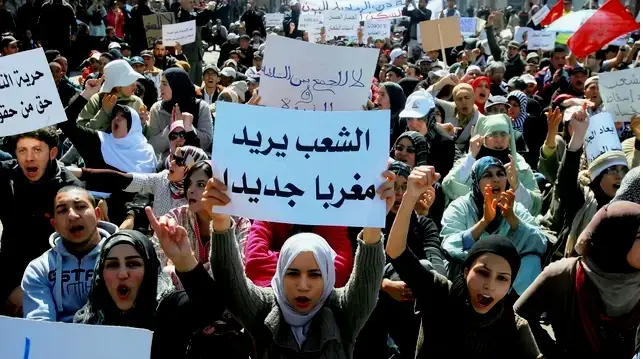
Morocco's latest legislative elections have been marked by a significant decline in voter turnout, sparking concerns about the country's democratic process. The low participation rate reflects a deepening crisis of trust between citizens and elected institutions, particularly among young people. Many Moroccans have expressed frustration with the current state of affairs, citing issues such as corruption, unemployment, and rising living costs.
The economic situation in Morocco has played a substantial role in the low voter turnout. With a 12% increase in prices this year and rising unemployment, many citizens feel that their concerns are not being addressed by the current government. The lack of concrete solutions to these problems has led to widespread disillusionment with the political process. Furthermore, reports have highlighted the significant influence of money in election campaigns, which has undermined the principle of equal opportunities and created an uneven playing field for candidates.
Several political parties have spoken out about the issues plaguing Morocco's democratic process. The Justice and Development Party described the low voter turnout as "painful" and attributed it to the government's failure to address key issues such as growth and employment. The party also criticized the use of money in election campaigns, arguing that it has weakened the democratic process. Similarly, the Justice and Charity Party, which had previously boycotted the elections, stated that the low turnout confirmed the "absolute failure" of Morocco's participatory process.
The Progressive and Socialist Union Party has also weighed in on the issue, emphasizing the need to strengthen the integrity of the electoral process. The party argued that the use of money in election campaigns has eroded citizens' trust in institutions. Meanwhile, the Socialist Union of Popular Forces Party has suggested that the election promises made by some parties were unrealistic and that the government needs to address pressing issues such as healthcare, unemployment, and purchasing power.
International observers have also taken note of the low voter turnout in Morocco. Spanish media outlets, in particular, have been critical of the situation, describing it as a sign of a "deep crisis of trust" between citizens and the political process. They have argued that Morocco's democratic model has failed to deliver concrete results, with corruption and money playing a significant role in the electoral process.
The low voter turnout in Morocco's legislative elections has significant implications for the country's democratic development. With many citizens feeling disenfranchised and disillusioned with the political process, there is a growing need for reforms to restore trust and ensure that the government is accountable to its people. This will require a concerted effort from politicians, civil society, and citizens to address the underlying issues driving the crisis of trust.
Ultimately, the outcome of Morocco's legislative elections has highlighted the need for a more inclusive and participatory democratic process. To achieve this, the government must prioritize addressing the pressing concerns of its citizens, including unemployment, corruption, and rising living costs. By doing so, Morocco can take a significant step towards rebuilding trust and strengthening its democratic institutions.
Key points
- The low voter turnout in Morocco's legislative elections reflects a deepening crisis of trust between citizens and elected institutions.
- The use of money in election campaigns has been cited as a major factor undermining the integrity of the electoral process.
- The government must prioritize addressing pressing concerns such as unemployment, corruption, and rising living costs to restore trust and strengthen democratic institutions.