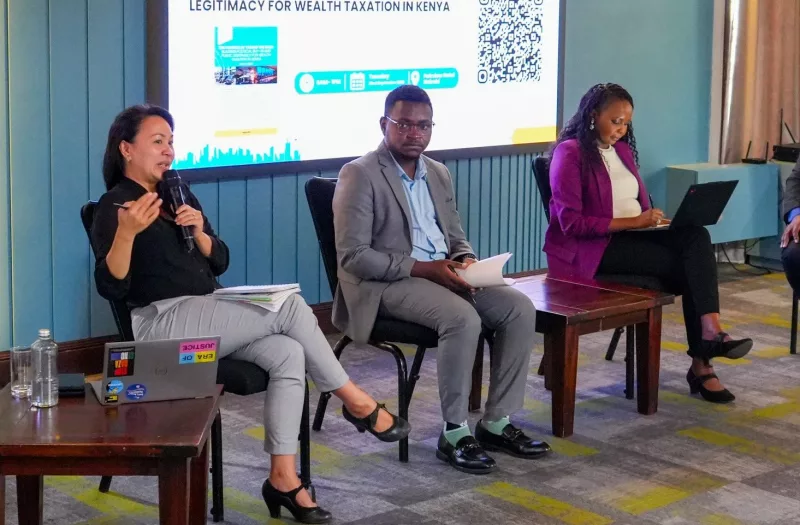
Lobby groups in Kenya are reviving a push for the reintroduction of a motor vehicle tax, nearly two years after a similar levy was met with widespread opposition. The proposal, put forth by Oxfam Kenya and the Institute of Public Finance (IPF), seeks to treat cars as an indicator of wealth. This approach aims to widen Kenya's tax base and shift a greater share of taxation towards wealth.
The proposed system would clearly explain what constitutes taxable wealth, who is liable, how the amount payable is determined, and how the tax would be collected. Unlike the 2024 proposal, which was based mainly on road use, the new plan would introduce differentiated rates. This means owners of vehicles with substantially different values would not face the same tax burden. For example, a high-value vehicle like a Porsche would not attract the same rate as a lower-value commercial or passenger vehicle like a Toyota Probox.
According to IPF research assistant Vincent Kipkemoi, the motor vehicle tax should return to the policy debate as Kenya seeks to widen its tax base. He noted that the problem with the 2024 proposal was not the principle of using vehicles as a proxy for wealth but the failure to clearly explain the rationale and how the tax would work. Kipkemoi emphasized the need for clear guidelines on the basis of taxation, applicable rates, payment points, and categories of vehicles affected.
The lobby groups also want the government to learn from the public backlash that followed the 2024 Finance Bill. The Bill was eventually withdrawn after widespread opposition, with social media platforms playing a major role in shaping public debate. Kipkemoi stated that poor communication and misinformation contributed to public resistance and that future tax proposals would require citizens to be informed throughout the policy-making process.
Daniel Murakaru, legal adviser to the Kenya Women Parliamentary Association, argued that the motor vehicle tax should not be brought back in the same structure proposed in 2024. He called for proportionality, suggesting that taxpayers with different levels of wealth should not face the same effective tax burden. Murakaru proposed differentiated rates rather than a blanket system based simply on vehicle ownership.
The proposed framework would link the amount payable to the value or wealth represented by the vehicle, creating different tax bands for different categories of vehicles. The lobby groups have also questioned whether insurance should remain the point of collection. Under the 2024 proposal, the motor vehicle tax was linked to the value of a vehicle and was expected to be collected through insurance-related payments.
Oxfam economic governance and policy adviser Beverly Musili stated that any new wealth-tax proposals should be linked to visible public benefits. She argued that taxpayers are more likely to accept additional taxes when they can see how the revenue will improve public services. IPF Head of Programmes John Nyangi noted that wealth taxation could provide additional domestic resources while helping address inequality in Kenya.
Key points
- The proposed motor vehicle tax aims to widen Kenya's tax base and shift a greater share of taxation towards wealth.
- The new proposal introduces differentiated rates, taking into account the value of vehicles.
- The lobby groups emphasize the need for clear communication and public involvement in the policy-making process.