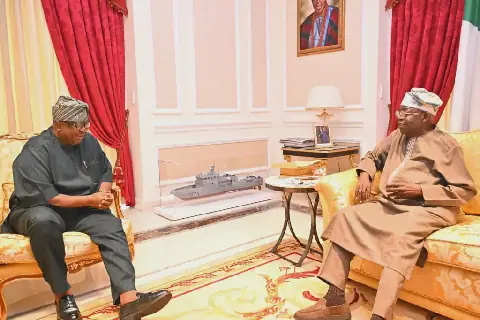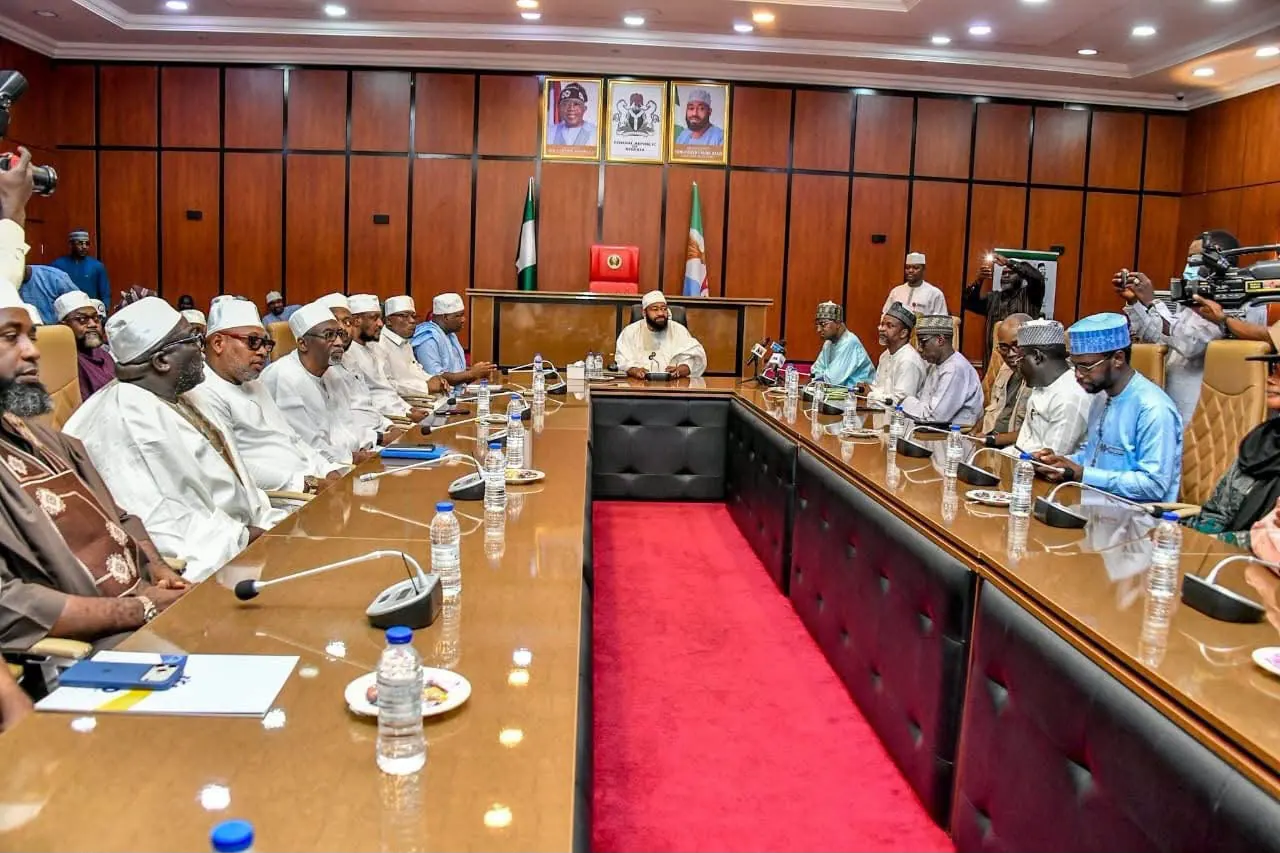
Nigeria's Minister of Livestock Development, Idi Muktar Maiha, has praised Niger State Governor Mohammed Umaru Bago for his administration's investments in agriculture, particularly livestock development. Maiha led a delegation from the ministry on a courtesy visit to the governor at the Government House in Minna. The minister commended Bago's agricultural initiatives, saying they have raised Niger State's profile and created an enabling environment for farmers and livestock operators to thrive.
Maiha stated that the Federal Government aims to transform Nigeria's livestock industry into a modern, profitable, sustainable, and globally competitive sector. This sector is expected to strengthen food security, create jobs and wealth, support rural development, and promote social harmony. The minister identified feed and fodder development as one of the ministry's key priorities, with plans to establish large-scale livestock development centres in collaboration with states.
The Federal Government is working with states to establish these livestock development centres, with participating states expected to provide land for investors and livestock operators to develop different segments of the livestock value chain. Maiha also highlighted breed improvement as a priority, with plans to introduce improved breeding materials to increase dairy production significantly. Nigeria currently spends about $1.5 billion on importing dairy and dairy products, and the minister stressed the need to increase local milk production and reduce dependence on imports.
Maiha advocated for a transition from transporting live cattle over long distances to moving processed livestock products, which would improve efficiency and strengthen the security of supply. He urged state governments to explore Public-Private Partnerships (PPPs) for establishing modern abattoirs, noting the significant potential for job creation in the livestock industry. Maiha also called for strategic livestock development centres along the Sokoto-Badagry Highway to improve visibility, accessibility, and the evacuation of livestock products.
Governor Bago responded by calling on the Federal Government to reactivate the Lagos-Kano-Jibia railway corridor to facilitate the transportation of cattle and other livestock products from northern Nigeria to the South. Improving rail transportation would reduce pressure caused by moving livestock over long distances by road, minimise losses, and contribute to addressing farmer-herder conflicts. Bago thanked Maiha and his delegation for the visit and commended the minister's leadership and initiatives aimed at transforming Nigeria's livestock industry.
Bago praised the Livestock Productivity and Resilience Support Project (L-PRES) for its interventions in Niger State, which facilitated an agreement between Niger Foods and an Abuja-based abattoir. The state is expected to supply 200 cattle daily, with an estimated 20,000 direct and indirect jobs projected from the initiative. Bago stressed the need to increase pasture and animal feed production, assuring the minister that the Niger State Government would collaborate with the ministry to achieve this objective.
Maiha and his delegation also inspected Zaima Farms, where they expressed satisfaction with the livestock operations and commended the Niger State Government's support for the sector. Zaima Farms is one of the beneficiaries of the L-PRES intervention, including the establishment of a poultry production facility with the capacity to process about 10,000 chickens daily. The minister's visit and discussions with Governor Bago reflect the Federal Government's efforts to collaborate with state governments and stakeholders to develop Nigeria's livestock industry.
Key points
- The Federal Government aims to reduce Nigeria's $1.5 billion dairy imports by increasing local milk production.
- The government plans to establish large-scale livestock development centres in collaboration with states to develop the livestock value chain.
- Governor Bago called for the reactivation of the Lagos-Kano-Jibia railway corridor to improve livestock transportation and reduce farmer-herder conflicts.