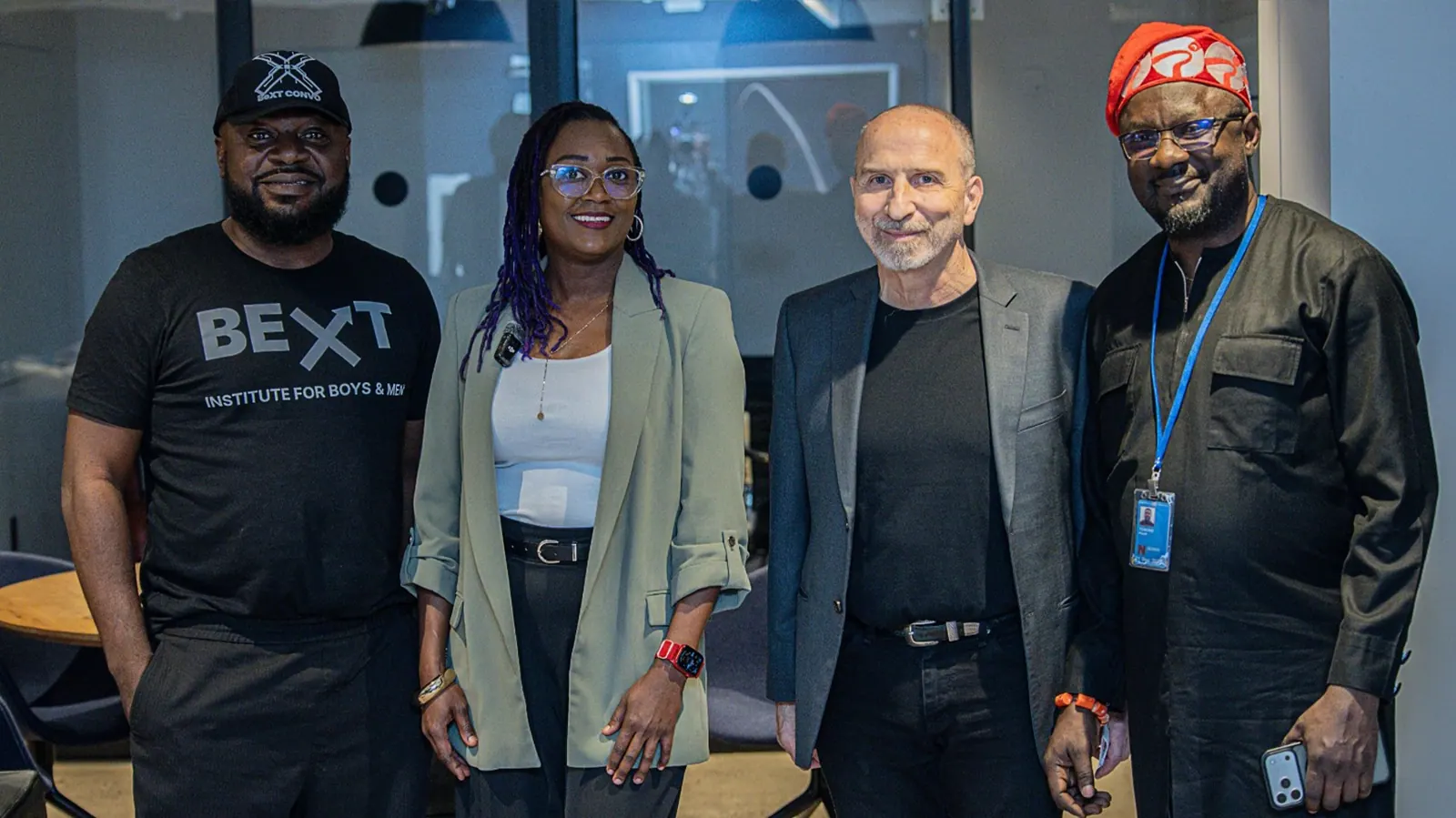
The Boys Lead Foundation recently convened The New York Boys & Men Conversation in New York City during the United Nations General Assembly. The gathering brought together practitioners and leaders from various fields to discuss how rapidly changing social and technological environments influence boys' and young men's development. A key concern was the growing role of digital spaces in shaping how boys learn, communicate, and form their identities.
The conversation highlighted the impact of artificial intelligence and digital environments on boys' mental health, family relationships, and sense of belonging. Participants considered both the opportunities technology creates and the responsibilities of institutions in helping young people navigate a digital world. Mental health and belonging were prominent topics, with attention on the environments in which boys grow and the relationships available to them.
The discussion also touched on issues such as migration, access to opportunity, education, and the need for greater coordination between institutions influencing boys' lives. Contributors included Owolabi Williams, Praise Fowowe, Modupe Adara, Joe Jones, and Stephen Tosh, with Debby Awoyemi as moderator. Owolabi Williams emphasized that the responsibility for boys' development cannot rest with one sector, stating that education, technology, families, health systems, employers, and public institutions are already shaping boys together.
The gathering marked the launch of Williams' book, The Boys We Build, The Nations We Become, which explores the relationship between how boys are raised and the kind of men, families, communities, and societies they eventually become. The book extends the questions raised around the role of systems and relationships in shaping boys, particularly at a time when technology is increasingly influencing childhood and adolescence.
Boys Lead Foundation has reached over 20,000 boys and young men across Nigeria, the United States, Canada, the United Kingdom, and other locations through various initiatives. These initiatives include mentorship, leadership development, education, character formation, entrepreneurship, skills development, and community engagement. The organisation's wider initiatives focus on strengthening support for boys and young men.
The Boys Lead Foundation and the BEXT Institute for Boys and Men are now working towards a proposed Global Commitment on Boys and Young Men and an accompanying Global Action Framework. This initiative aims to bring together young people, practitioners, researchers, governments, schools, technology leaders, funders, and civil society organisations around measurable action in various areas, including education, technology, health, and public policy.
The conversation highlighted the need for collective action to address the complex issues influencing boys' development. Key stakeholders will need to collaborate to create a supportive environment that enables boys to thrive. The proposed Global Commitment on Boys and Young Men is expected to facilitate this collaboration and drive meaningful change.
Key points
- The New York Boys & Men Conversation highlighted the need for collective action to address the impact of AI and digital environments on boys' mental health and development.
- The Boys Lead Foundation has reached over 20,000 boys and young men through its various initiatives.
- The proposed Global Commitment on Boys and Young Men aims to bring together stakeholders around measurable action in education, technology, health, and public policy.