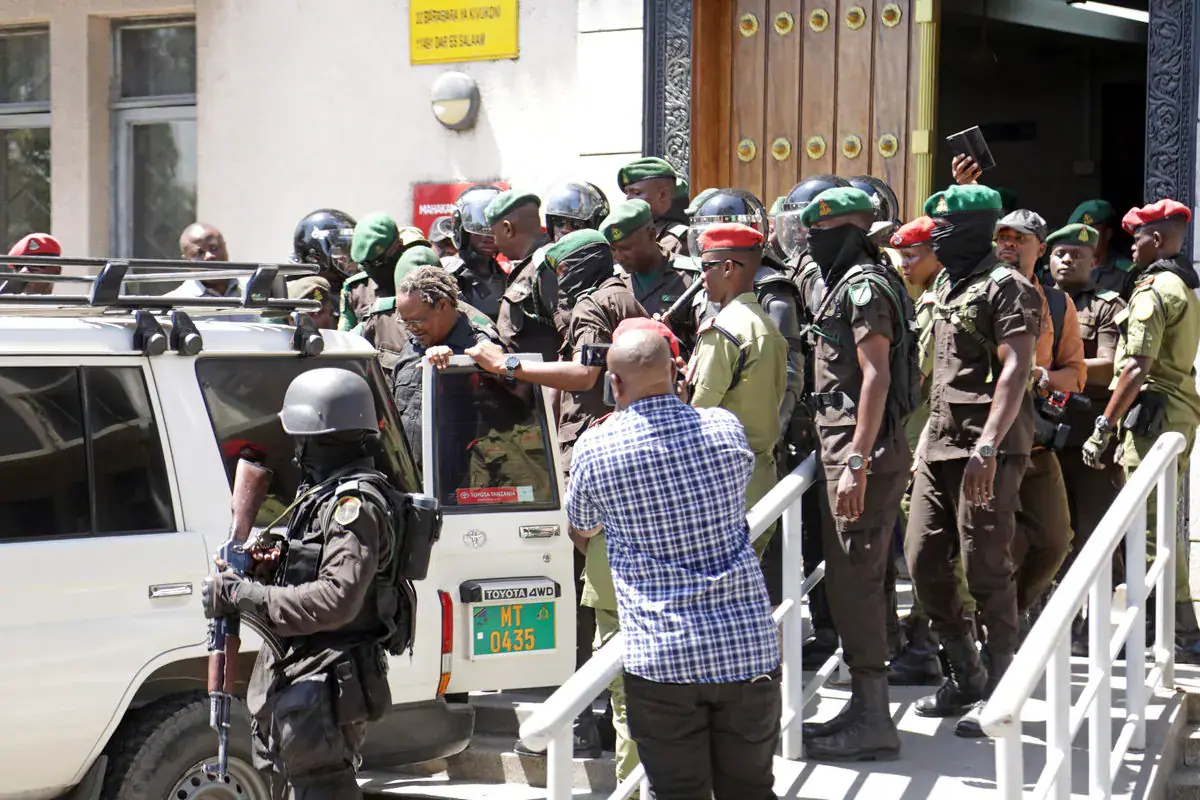
The four-year prison sentence handed to Tanzanian opposition leader Tundu Lissu has put the country's reconciliation efforts under renewed pressure. Lissu, chairman of the Chadema party, was convicted of incitement on November 6, 2026, after being acquitted of treason charges. His conviction has introduced another challenge to President Samia Suluhu Hassan's commitment to national reconciliation under her 4Rs philosophy, which aims to promote national unity and address political divisions.
President Hassan has maintained that her administration remains committed to reconciliation, but Lissu's imprisonment has exposed differences between the government and opposition parties over what genuine reconciliation should entail. The opposition parties have maintained that reconciliation should be accompanied by practical measures to address their concerns about the country's democratic environment. Lissu's case has also raised questions about public confidence in the administration of justice, particularly considering the lengthy period he spent in pre-trial detention.
Lissu spent 577 days in custody on treason charges before being acquitted and convicted of incitement. His case has been viewed by political observers as an important moment for reopening dialogue between the government and opposition parties. However, his conviction and continued imprisonment have reinforced deep-seated scepticism among opposition parties. Political scientist Suguta Mkami noted that an unconditional acquittal could have provided the government with the necessary political capital to bring opposition parties back to the negotiating table.
The reconciliation debate also extends beyond Lissu's case, particularly to the findings of the six-member commission chaired by Judge Shabani Ally Lila. The commission was established to investigate the perpetrators of the violence that followed the October 29, 2025 elections. Human rights lawyer Michael Mkaria said the outcome of Lissu's trial raises questions about public confidence in the administration of justice.
Chadema has announced plans to appeal the judgment and seek bail for Lissu. The party's Chief Legal Officer, Dr Rugemeleza Nshala, said the party would challenge the judgment through an appeal. Opposition parties have expressed disappointment with the sentence, maintaining that meaningful political reconciliation would be difficult to achieve while key opposition figures remained behind bars.
The ruling party, however, maintains that reconciliation remains an important part of the country's political direction. CCM Secretary for Ideology and Publicity Kenani Kihongosi said the party personally wished Lissu well following his conviction, expressing hope that God would help him regain his freedom. However, he stressed that the country's laws must be respected and the rule of law upheld.
The differing positions point to a fundamental question facing Tanzania: how can political actors build a common understanding of reconciliation when they have different views about its priorities, processes and expected outcomes? Political scientist Mkami said the way forward will require political goodwill from both sides, as well as a willingness to engage beyond their immediate differences.
Key points
- Lissu's conviction and imprisonment have raised questions about Tanzania's political trust and reconciliation efforts.
- The opposition parties have maintained that reconciliation should be accompanied by practical measures to address their concerns about the country's democratic environment.
- The ruling party maintains that reconciliation remains an important part of the country's political direction.