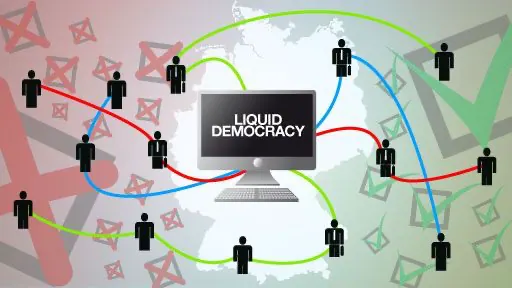
Liquid Democracy, a concept gaining attention worldwide, seeks to revolutionize the way citizens participate in the decision-making process. This system allows individuals to vote directly on laws and decisions while also having the option to delegate their vote to a trusted representative. This approach aims to address a significant challenge in traditional democracy: citizens often feel disconnected from the decision-making process after casting their votes in elections. By leveraging technology, Liquid Democracy enables citizens to engage in the decision-making process continuously.
The core idea behind Liquid Democracy is to empower citizens with greater freedom and flexibility in the decision-making process. When faced with a complex issue, citizens can choose to vote directly or delegate their vote to an expert or someone they trust. This delegation is not permanent and can be revoked at any time, allowing citizens to reclaim their vote or transfer it to another representative. This dynamic approach enables citizens to participate in the decision-making process in a more meaningful and engaging way.
Technology plays a vital role in facilitating Liquid Democracy. Secure online platforms can be used to present proposals and laws, facilitate discussions, and enable citizens to vote or delegate their votes. These platforms can also help address concerns around data protection, voter identity verification, and security against hacking and manipulation. By harnessing the power of technology, Liquid Democracy can increase citizen participation and engagement in the decision-making process.
One of the significant benefits of Liquid Democracy is its potential to transform the relationship between citizens and politicians. Rather than simply casting a vote for a representative and surrendering decision-making power for an extended period, citizens can engage directly with specific issues and choose to vote or delegate their vote on a case-by-case basis. This approach can lead to a more informed and active citizenry, with citizens taking a more direct role in shaping policy.
However, Liquid Democracy is not without its challenges. Issues around digital divides, data protection, and the potential for manipulation or coercion must be addressed. Not all citizens have equal access to technology or the skills to effectively engage with online platforms, which can exacerbate existing inequalities. Moreover, there is a risk that organized campaigns could influence citizen choices, undermining the integrity of the decision-making process.
Despite these challenges, Liquid Democracy offers an innovative vision of democracy, where power is not solely exercised through periodic elections but is a continuous process. Citizens can participate, delegate their votes, and reclaim their decision-making power as needed. This approach raises essential questions about the role of technology in enhancing citizen engagement and participation in the decision-making process.
As the concept of Liquid Democracy continues to evolve, it is essential to consider its potential applications and implications. By harnessing the power of technology, citizens can be empowered to take a more active role in shaping their communities and countries. While there are challenges to be addressed, Liquid Democracy offers a promising vision for a more inclusive and participatory democracy.
Key points
- Liquid Democracy combines direct and representative democracy, allowing citizens to vote on decisions and laws while also electing representatives.
- Technology plays a vital role in facilitating Liquid Democracy, enabling citizens to engage in the decision-making process continuously.
- Liquid Democracy offers a promising vision for a more inclusive and participatory democracy, but it also raises essential questions about the role of technology in enhancing citizen engagement.