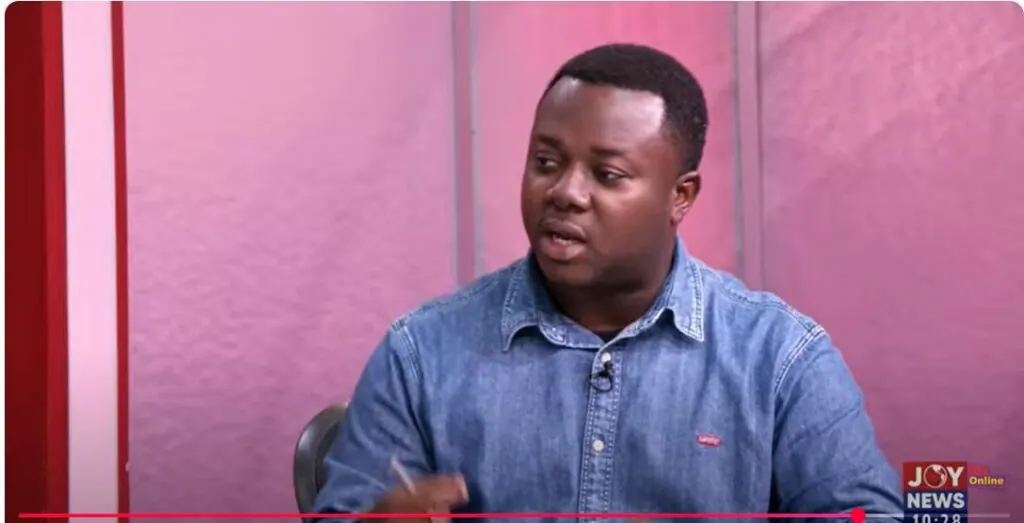
Ghana's Parliament could be back in session within days to confront a growing scandal over cocaine trafficking, which one lawmaker warns could be fuelling money laundering and financing terrorism. Rev Ntim Fordjour, Ranking Member on Parliament's Defence and Interior Committee, says the Minority has gathered signatures from more than 15% of Members of Parliament, the threshold set out in Article 112(3) of Ghana's Constitution for forcing an emergency recall of the House.
The signatures, an accompanying petition, and a memorandum were submitted to Speaker Alban Bagbin last week, and the Speaker's office has confirmed receipt of the documents. Fordjour expects Bagbin to issue a formal notice of recall this week, paving the way for Parliament to reconvene as early as next week. The aim of recalling Parliament is to constitute a bipartisan committee tasked with a full and transparent inquiry into the drug-trafficking crisis.
Fordjour criticizes the government for inaction, asking who has been fired and whether any head of an agency within the anti-narcotics value chain has faced consequences despite the scale of recent seizures. Around 16 state agencies form part of that value chain, with roughly five of them closely implicated in the current controversy. Fordjour wants President John Mahama to act decisively and demonstrate leadership that reflects an understanding of the risks the drug cartels pose to the country.
The scandal driving this recall stems from a series of major narcotics seizures tied to Ghana, most recently French customs officers intercepting nearly 3.9 tonnes of cocaine at the Port of Dunkirk on September 10. That bust, valued at more than US$260 million, followed the March 2025 seizure of over 3.3 tonnes of cocaine at Pedu Junction, valued above US$350 million. Taken together, the Minority says drug seizures linked to Ghana have exceeded US$1 billion in under two years.
For ordinary Ghanaians, the concern is not simply reputational. If Fordjour's warning about the drugs-to-terrorism pipeline is accurate, the stakes extend to the security of communities near illegal mining sites, the integrity of Ghana's ports and customs systems, and the country's standing with international trade and security partners who monitor money laundering risks. Fordjour specifically tied the drug trade to illegal mining communities, suggesting the two problems may be feeding off each other.
According to Fordjour, Speaker Bagbin is expected to issue the formal notice of recall within this week, allowing Parliament to hold an emergency sitting by next week. Beyond that, the sources do not specify an exact date for the sitting, nor do they detail how long the proposed bipartisan inquiry would take or what powers it would have. It remains unclear whether the government will act on Fordjour's demand for agency-level dismissals before Parliament reconvenes.
Article 112(3) of Ghana's 1992 Constitution allows Parliament to be recalled for an emergency sitting outside its normal schedule if at least 15% of MPs sign a request to the Speaker, who is then required to summon the House. This mechanism exists to let Parliament respond quickly to urgent national issues rather than waiting for its next scheduled session.
Key points
- The Minority has secured signatures from more than 15% of MPs to recall Parliament and address the growing cocaine crisis in Ghana.
- The crisis has led to major narcotics seizures, including nearly 3.9 tonnes of cocaine at the Port of Dunkirk and over 3.3 tonnes of cocaine at Pedu Junction.
- The recall aims to constitute a bipartisan committee to investigate the drug-trafficking crisis and address concerns over money laundering and potential terrorism financing.