Uganda's artisanal and small-scale gold mining sector, which supports an estimated 70,000 miners, continues to face challenges, including informality, inadequate equipment, and limited access to credit. The sector also struggles with the continued use of mercury in gold processing, despite the availability of mercury-free technologies. Stakeholders have raised concerns that thousands of miners remain exposed to serious health and environmental risks because safer technologies are beyond their financial reach.
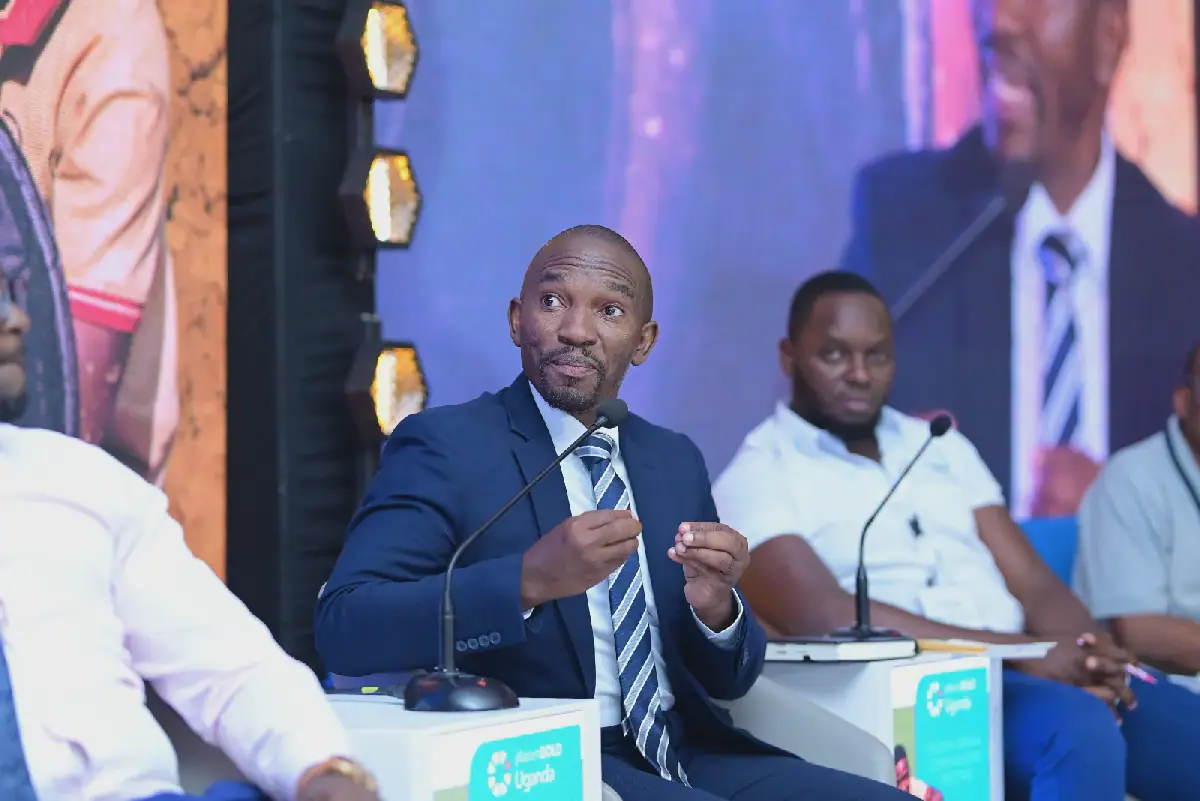
The concerns were raised during the planetGOLD Uganda Fourth Annual Stakeholders Meeting in Kampala, which brought together government officials, development partners, financial institutions, and mining sector representatives. The meeting aimed to discuss strategies for promoting mercury-free mining practices. Bob Paul Lusembo, Head of Micro Business at Equity Bank, emphasized that financing solutions must go beyond traditional loans to address the broader needs of mining communities, including financial literacy, equipment acquisition, and business formalization.
Mercury is widely recognized as a hazardous substance that can damage the nervous system and contaminate water sources and ecosystems. Uganda's mining regulations prohibit its use, making the adoption of safer alternatives both a legal requirement and an environmental priority. Dr. John Ekure, representing the National Environment Management Authority (NEMA), urged miners and other sector stakeholders to prioritize human health, cautioning against pursuing economic gains at the expense of workers' safety.
The human cost of unsafe mining practices was highlighted through testimonies shared during the meeting, including that of a miner who reported suffering long-term health effects linked to mercury exposure. Participants noted that such experiences demonstrate the dangers miners face when they continue using hazardous substances without adequate protection or access to safer alternatives.
Stakeholders concluded that closing financing gaps and supporting the formalization of mining groups would be critical to achieving a mercury-free gold mining sector while protecting miners' livelihoods, public health, and the environment. Magara Siraje, Extractive Industries Coordinator at Oxfam Uganda, emphasized the need to improve miners' access to financial services and technical support, highlighting that responsible exploitation of mineral resources could support Uganda's export growth.
Participants called for stronger collaboration among government agencies, financial institutions, development partners, and mining communities to accelerate the transition to safer mining methods. They emphasized that a safe and sustainable mining industry that contributes to the development of the country requires financing for the entire value chain.
The stakeholders' meeting highlighted the need for a comprehensive approach to address the challenges facing Uganda's artisanal and small-scale gold mining sector. Key points include the need for increased access to affordable financing, improved financial literacy, and technical support for miners.
Key points
- Limited access to affordable financing hinders Uganda's efforts to eliminate mercury use in artisanal and small-scale gold mining.
- Mercury-free technologies are available, but the cost of acquiring processing equipment and improving mining operations remains beyond the reach of many miners.
- Closing financing gaps and supporting the formalization of mining groups are critical to achieving a mercury-free gold mining sector.
Reporting sources
- Limited Access to Finance Slows Uganda’s Shift to Mercury-Free Gold Mining · ankoletimes.co.ug