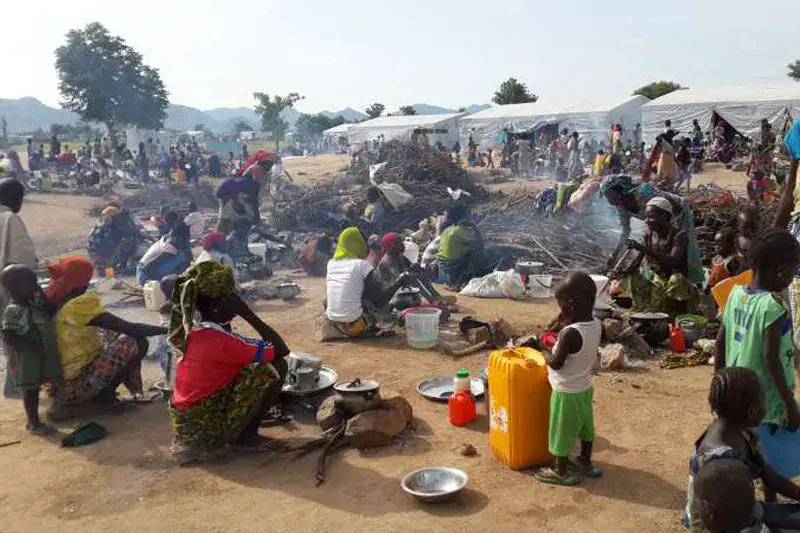
The humanitarian crisis in Nigeria has left millions of internally displaced persons (IDPs) struggling to rebuild their lives. According to the UNHCR, Nigeria has approximately 3.7 million IDPs, making it one of the major displacement-affected nations in the world. Many have spent months or years away from their ancestral communities, uncertain about when they will return or recover what they lost. The crisis extends beyond the attacks that forced people to flee, with families struggling to survive long after the immediate danger has passed.
The displacement crisis in Nigeria has several causes, with insecurity remaining a major driver in many affected regions. In the North-East, years of Boko Haram and Islamic State West Africa Province (ISWAP) insurgency have forced millions from their communities, particularly in Borno, Adamawa, and Yobe states. Climate-related emergencies, particularly flooding, have also contributed to displacement in different parts of the country. Data from the International Organization for Migration (IOM) identified 2,368,731 internally displaced people across six North-Eastern states.
Most displaced Nigerians do not live in officially designated camps, with approximately 79 per cent of the identified population living in host communities. Many families stay with relatives, rent accommodation, or depend on members of host communities who are themselves facing economic difficulties. The struggle to survive inside displacement camps is a major challenge, with access to adequate shelter, food, clean water, and sanitation determining whether families survive the difficult conditions.
For families living in IDP camps, securing basic necessities remains one of the most difficult aspects of displacement. People who fled their communities often arrived with little or nothing after abandoning their houses, farms, and personal belongings. Children, pregnant women, elderly people, and persons living with disabilities face additional difficulties because they require specific forms of care and protection.
The situation also affects people living outside formal camps, with host communities frequently sharing limited resources with displaced families. A report by the United Nations Children’s Fund (UNICEF) identified 4.8 million people in need of water, sanitation, and hygiene assistance across its assessed humanitarian response context in Nigeria. Hunger and the loss of livelihoods are major concerns, with many Nigerians forced from their communities previously depending on farming, livestock production, and petty trading to support their families.
The Food and Agriculture Organization (FAO) warned that 34.7 million people in Nigeria were projected to face crisis-level or worse acute food insecurity by mid-2026. The organisation subsequently launched a 2026–2028 emergency and resilience plan requiring $347 million to support 12.6 million vulnerable people across affected regions. The warning highlights the connection between insecurity, declining agricultural production, displacement, and worsening food insecurity.
For displaced families, the consequences of losing access to farmland and employment are far-reaching, making it harder to rebuild their lives even when humanitarian organisations provide temporary assistance. Without opportunities to earn an income, many families remain dependent on relief programmes for prolonged periods. Children growing up without proper education face an uncertain future, highlighting the need for sustained assistance and support to help IDPs rebuild their lives.
Key points
- 3.7 million internally displaced persons in Nigeria
- 79 per cent of displaced Nigerians live in host communities
- 34.7 million people projected to face crisis-level food insecurity by mid-2026
Reporting sources
- Life in IDP Camps: The forgotten Nigerians waiting to return home · Idoma Voice Newspaper