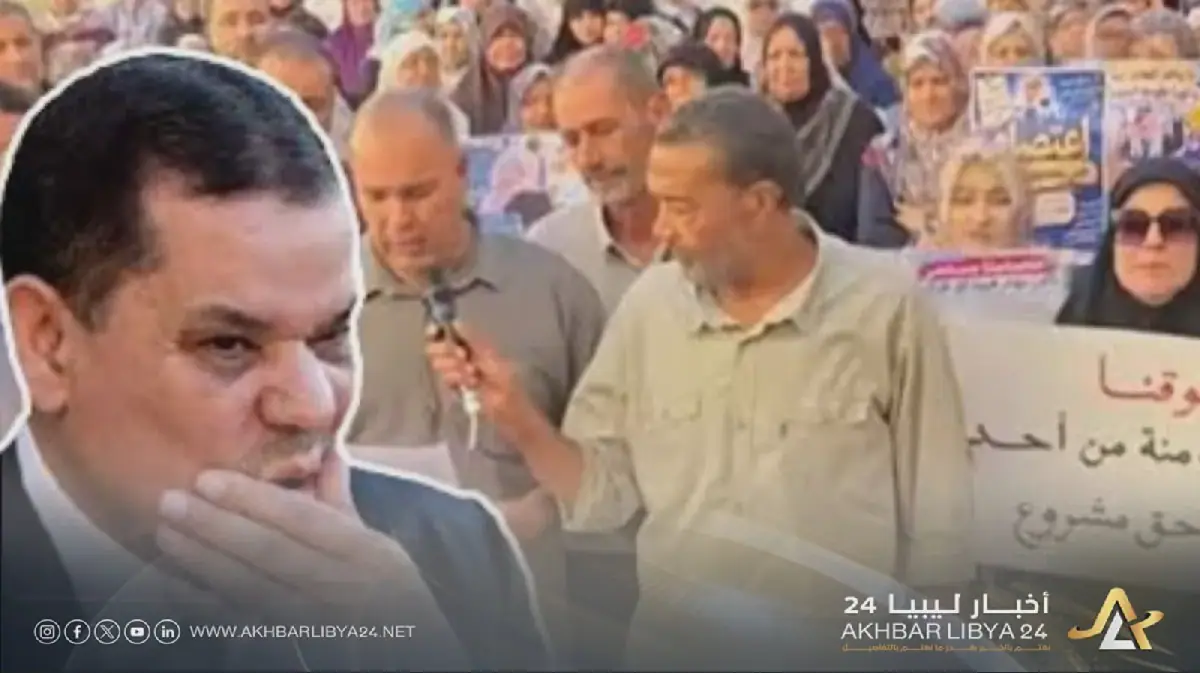
The Libyan Teachers' Union has reaffirmed its commitment to continuing its strike, rejecting any agreements to end the movement outside of official union frameworks. The strike, led by union head Ramadan Hamom, demands improved working conditions and rights for teachers. Despite pressure and threats from some administrative bodies, the union remains resolute in its stance. The union has received complaints from teachers in several cities, including Tripoli and Janzur, who claim they are being threatened with absenteeism or even dismissal due to their participation in the strike.
The union has criticized education monitors in several municipalities, including Abu Slim, Al-Andalus, Janzur, and Al-Jamil, for prioritizing pressure on teachers over advocating for their rights. The union argues that education officials should focus on addressing the root causes of the crisis and finding solutions to ensure stability in educational institutions. Instead of being party to the conflict, the union believes officials should work to transfer demands to relevant authorities and find solutions.
The union has taken its protests to the judiciary, filing a complaint with the Office of the Public Prosecutor against a media figure for allegedly insulting female teachers. This move demonstrates the union's commitment to using legal means to address grievances and protect teachers' rights. The union's actions reflect its broader goal of safeguarding the dignity and professional rights of teachers.
A dispute has emerged over who has the authority to decide to end the strike. The union has rejected any understandings or agreements to end the strike that are not issued or endorsed by its official institutions. The union insists that only its official bodies have the mandate to make decisions on behalf of teachers. This stance underscores the union's determination to maintain control over negotiations and ensure that any agreements reflect the collective will of its members.
The Libyan government faces mounting pressure to address the crisis. The ongoing strike has significant implications for the education sector and the broader community. As the strike continues, students and their families are bearing the brunt of the crisis, with the risk of prolonged disruptions to the academic calendar. The government must navigate the complex negotiations between the union and various administrative bodies to find a resolution.
The union's demands are centered on improving working conditions, salaries, and benefits for teachers. The strike has highlighted deeper issues within Libya's education system, including inadequate infrastructure, insufficient resources, and a lack of support for teachers. A resolution to the crisis will require a comprehensive approach that addresses these underlying challenges.
The international community is watching closely as the situation unfolds. Libya's education sector has faced significant challenges in recent years, including conflict, instability, and a lack of investment. A resolution to the current crisis could help to stabilize the sector and provide a foundation for long-term development. The union's determination to protect its members' rights and advocate for improved working conditions reflects a broader commitment to promoting education and social justice in Libya.
Key points
- The Libyan Teachers' Union has rejected any agreements to end the strike outside of official union frameworks.
- The union has criticized education officials for prioritizing pressure on teachers over advocating for their rights.
- The strike has significant implications for Libya's education sector and the broader community.