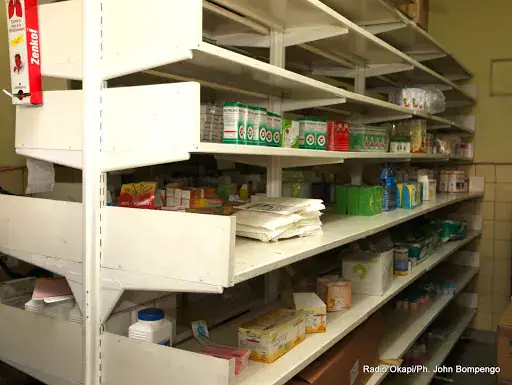
The World Health Organization's World Antimicrobial Awareness Week, taking place from November 18-24, has highlighted the dangers of misusing antibiotics in the Democratic Republic of Congo. This year's theme, "One Health, One Action: Act now to prevent antimicrobial resistance," emphasizes the need for collective action to prevent antimicrobial resistance. In Kinshasa, the campaign is focusing on the risks associated with the inappropriate use of antibiotics in humans and animals.
Many people in the DRC are using antibiotics without consulting a doctor, which can lead to the development of resistant bacteria. Some individuals buy antibiotics directly from pharmacies, while others reuse old prescriptions or follow advice from friends and family. However, health professionals stress that antibiotics are only effective against certain bacterial infections and that their misuse can lead to the emergence of bacteria that are resistant to treatment.
The consequences of antibiotic overuse are severe, with specialists warning that it can lead to antibiotic resistance. When antibiotics are used improperly, bacteria can develop resistance, making treatment more challenging. Biologists explain that antibiotics work in two ways: either by killing bacteria or preventing their multiplication. However, factors such as self-medication, non-adherence to dosage, and poor hygiene practices contribute to the development of resistance.
Medical professionals stress that antibiotic resistance complicates patient care, leading to longer treatment periods, changes in antibiotics, and a higher risk of persistent infections. In some cases, patients may experience a decline in their overall health due to untreated infections. This situation highlights the need for responsible antibiotic use and improved access to medical care.
The issue of antibiotic misuse also affects domestic animals in the DRC. Pet owners often face challenges in accessing veterinary care, leading some to use antibiotics without proper guidance. Veterinarians caution that the uncontrolled use of antibiotics in animals can contribute to the development of resistant bacteria, which can be transmitted to humans, posing a public health risk.
Health professionals emphasize that addressing antibiotic resistance requires a collective effort from both human and animal health sectors. They advocate for responsible antibiotic use to preserve their effectiveness for future generations. The "One Health" approach, promoted globally, recognizes the interconnectedness of human, animal, and environmental health, and encourages collaboration to mitigate the risks associated with antimicrobial resistance.
To combat antibiotic resistance, health professionals recommend that antibiotics only be used under medical prescription, and that patients adhere to the recommended dosage and treatment duration. Additionally, they stress the importance of improving access to medical care, promoting hygiene practices, and raising awareness about the risks associated with antibiotic misuse.
Key points
- Health professionals in the DRC are warning about the risks of misusing antibiotics, which can lead to antibiotic resistance and complicate patient care.
- The misuse of antibiotics affects not only humans but also domestic animals, and can contribute to the development of resistant bacteria that can be transmitted to humans.
- Addressing antibiotic resistance requires a collective effort from both human and animal health sectors, and involves promoting responsible antibiotic use and improving access to medical care.