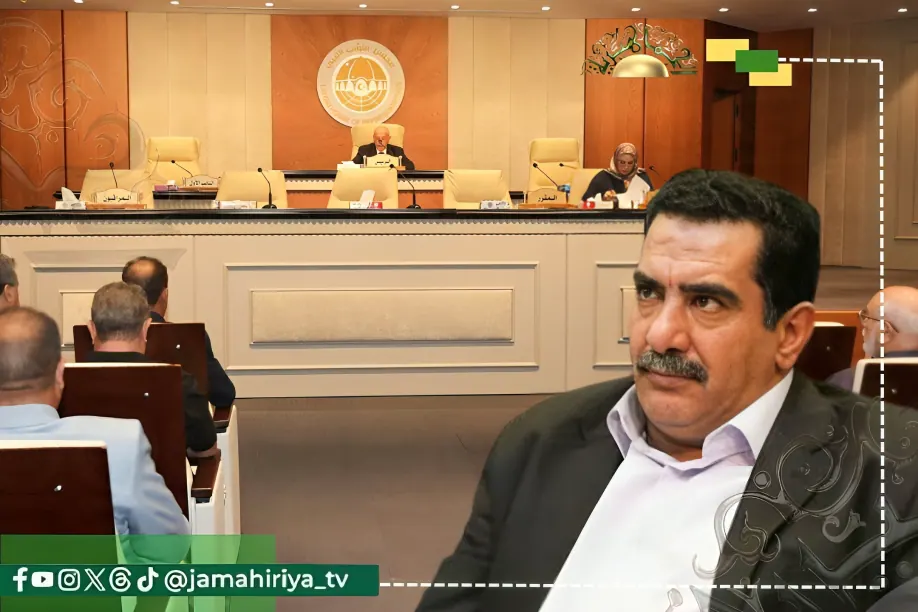
A heated dispute has erupted within Libya's parliament, with lawmakers alleging they were prevented from attending a session aimed at reforming the body's internal rules. On September 23, 2026, a group of 86 members of the House of Representatives claimed they were blocked by security forces from entering the chamber in the eastern city of Benghazi. The session was intended to discuss reforms to the parliament and amendments to its internal regulations.
The move to block the session was reportedly ordered by the parliament's embattled leader, Aguila Saleh. According to MP Essam Al-Jehani, Saleh used the presidential guard to prevent the session from taking place. Al-Jehani, who was among those barred from attending, accused Saleh of using his power to undermine the parliament's work. He also alleged that some officials within the parliament were "criminals" who used intimidation and thuggery to maintain control.
Al-Jehani, in an interview with Al-Masdar TV, expressed frustration with Saleh's leadership, questioning how long the 85-year-old politician should continue to lead the parliament. He suggested that Saleh's actions were aimed at maintaining his grip on power. The MP also acknowledged that the parliament had problems and had caused issues for Libya, but argued that the problems should not be attributed to the entire body.
Tensions within the parliament have been escalating, with some lawmakers pushing for Saleh's removal as leader. Al-Jehani revealed that he and some other MPs had been threatened with the lifting of their parliamentary immunity. He defiantly stated that he had responded to Saleh's threats, saying that he would not be intimidated. The dispute has raised concerns about the stability of Libya's fragile political system.
The blocked session was intended to discuss reforms to the parliament's internal regulations, which some lawmakers believe are necessary to prevent Saleh's continued dominance. The move to block the session has been seen as an attempt to maintain the status quo and prevent any changes that might undermine Saleh's position. Libya has struggled with political instability and conflict since the ousting of Muammar Gaddafi in 2011.
The presidential guard's deployment to block the session has been seen as a demonstration of Saleh's influence and control over Libya's security apparatus. The incident has sparked concerns about the potential for further escalation and the impact on Libya's already fragile political situation. The country's lawmakers and international community will be watching closely to see how the situation unfolds.
The crisis within Libya's parliament has significant implications for the country's future. The ongoing power struggle between Saleh and his opponents may have far-reaching consequences for Libya's stability and its efforts to rebuild and recover from years of conflict. The international community has called for calm and urged Libyan leaders to work towards a peaceful resolution.
Key points
- Libyan lawmakers were barred from attending a parliamentary session by security forces loyal to the chamber's leader, Aguila Saleh.
- The blocked session was intended to discuss reforms to the parliament's internal regulations and potentially undermine Saleh's leadership.
- The incident has raised concerns about Libya's fragile political system and the potential for further escalation.