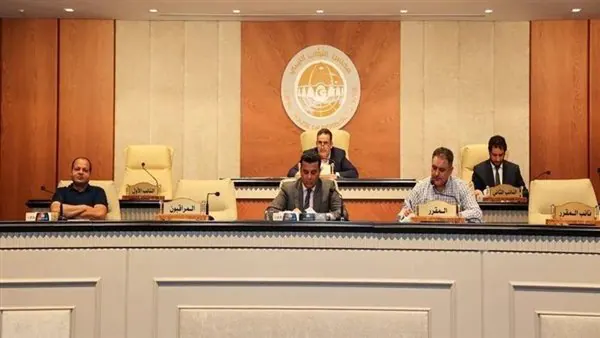
Libyan Parliament Speaker Aguila Salih has rejected the outcomes of a session held by some members in Benghazi, which aimed to freeze the parliament's leadership and pave the way for electing a new speaker. Salih stated that the session was informal and lacks legal implications. He emphasized that any decisions made during the session are not legally binding due to the failure to follow the required procedures and controls outlined in the law and the parliament's internal regulations.
The disputed session was chaired by the Second Deputy Speaker, Massoud Dome, in the absence of Salih. During the session, the parliament voted to adopt a parliamentary cycle for the leadership office, with 98 out of 102 attending members voting in favor. The term of the leadership office is set to be 12 months from the date of election, ending upon the expiration of this period. The session was adjourned to allow for the election of a new leadership within seven days.
The move to freeze the parliament's leadership and elect a new one has been met with resistance from Salih and some members who question the legality of the procedures followed during the session. Some members consider the session illegitimate due to a prior invitation to hold a regular session on Tuesday. Salih had called for a regular session on October 6 to discuss amendments to the internal regulations and approve the parliamentary cycle.
First Deputy Speaker Fawzi al-Nuwiri expressed support for Salih's stance on the session, stating that the session's outcomes do not constitute parliament decisions unless they meet the required legal procedures, quorum, and majority. Nuwiri emphasized that Salih had invited members to a regular session on Tuesday to discuss internal regulations and parliamentary cycle, which should have been addressed in a properly convened and voted session.
The dispute within the parliament revolves around the legality and procedures related to the session and its outcomes. Members who participated in the session insist on the procedures they took to pave the way for electing a new leadership, while Salih and Nuwiri reject the session's legitimacy. This development raises questions about the future of the parliament's leadership.
Salih had initially called for a regular session on October 6 to discuss amendments to Law No. 4 of 2014 and include a parliamentary cycle, as well as discuss the constitutionality of laws presented by the "4+4" mini-dialogue committee. Following the developments, Salih announced the cancellation of the Tuesday session he had called, reaffirming that the session held does not represent a formal parliament session and does not produce binding decisions.
The disagreement may impact the stability and functionality of the Libyan parliament. The main points of contention include the legitimacy of the session that aimed to freeze the parliament's leadership and the procedures followed in making decisions. The situation demands a resolution to ensure the continuity and effectiveness of the parliament.
Key points
- - Libyan Parliament Speaker Aguila Salih rejects a decision to freeze the parliament's leadership. - The dispute centers on the legitimacy of a session held in Benghazi and its outcomes. - The situation may impact the stability and functionality of the Libyan parliament.