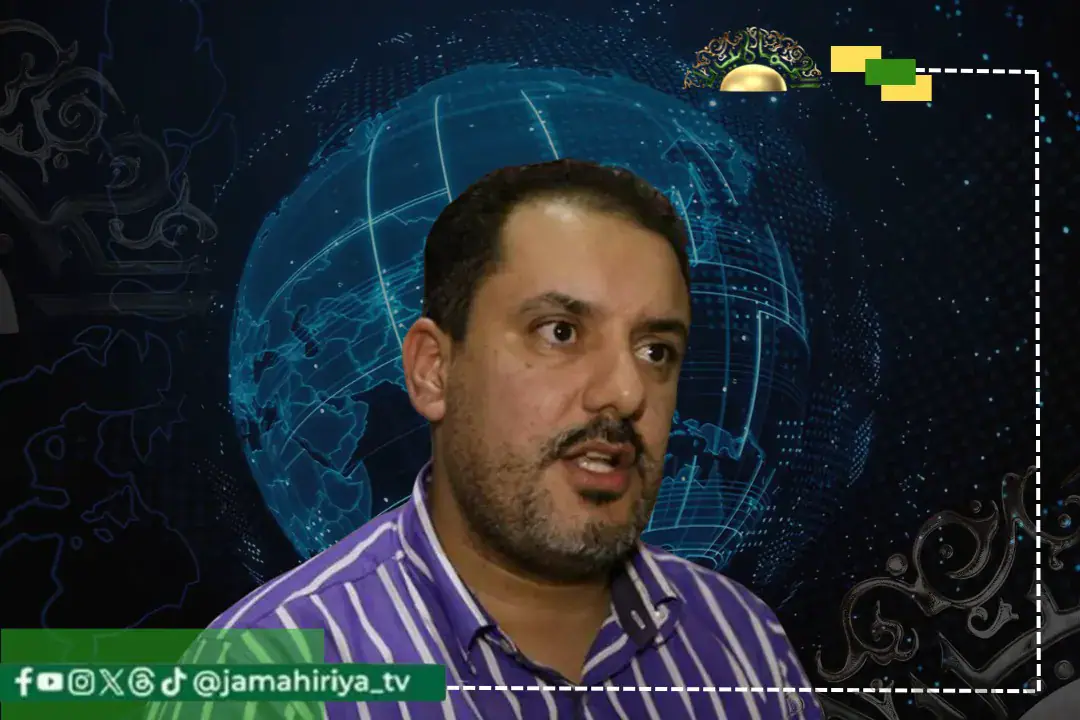
Libyan member of parliament Saleh Afhima has come forward with allegations that several MPs have been receiving threatening messages on their personal phones. These threats coincide with efforts to implement reforms within the legislative body or propose changes related to the leadership of Aqila Saleh and the management of the council. Afhima emphasized that these threats recur with every attempt to amend the internal regulations of the House of Representatives or schedule parliamentary sessions.
According to Afhima, the messages are documented and have been previously exposed through media outlets. He stated that the threats originate from foreign phone numbers and contain accusations of treason, along with insulting and threatening language. Additionally, the messages praise Aqila Saleh, describing him as a national figure. Afhima revealed that the relevant authorities, including the intelligence agency, have been informed about these messages.
Afhima expressed concern about the impact of these pressures on the performance of MPs. He warned that the repeated threats place lawmakers under continuous pressure, affecting even those who are not directly targeted. Afhima also denied accusations that Aqila Saleh is behind these messages, stating that he has supported some of Saleh's decisions that he considered appropriate, despite occasional disagreements over procedures.
The MP criticized unilateral decisions within the council, arguing that they do not contribute to building strong institutions and may harm the legislative body. He suggested that such actions could create the impression of an attempt to monopolize power. Afhima emphasized that the belief in MPs having absolute freedom to make and vote on decisions does not reflect the reality of working within the council.
Afhima highlighted the existence of external interventions in the work of MPs and the pressures exerted on them to influence their positions and decisions. He noted that these factors undermine the independence of lawmakers and their ability to make decisions freely. The situation has raised concerns about the integrity of the legislative process in Libya.
The issue has sparked debate about the extent of external influence on Libya's political institutions. Some have expressed worry that such pressures could undermine the country's democratic transition. The situation remains a challenge for Libyan authorities, who must address these allegations and work to ensure a secure and independent legislative environment.
As the situation continues to unfold, it is essential to monitor developments within Libya's political landscape. Ensuring the safety and autonomy of lawmakers is crucial for the country's progress. The international community is also watching closely, as the stability of Libya has broader implications for regional and global security.
Key points
- Libyan MP Saleh Afhima reports that several lawmakers have received threatening messages amid efforts to reform the House of Representatives.
- Afhima denies that Aqila Saleh is behind the threats but criticizes unilateral decisions within the council.
- The situation raises concerns about external influence on Libya's political institutions and the country's democratic transition.