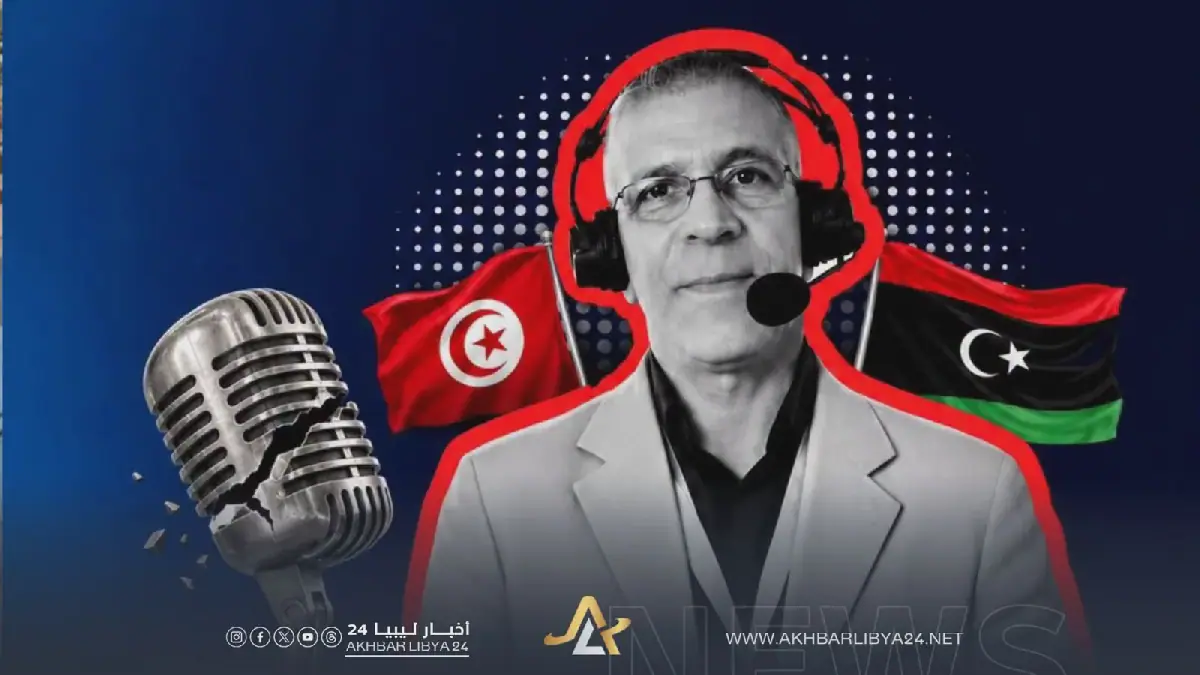
The Libyan national team's 2-0 win over Tunisia in a 2027 African Nations Championship qualifier has sparked controversy over the commentary of Algerian sports commentator Abd al-Hafiz al-Daraji. Many Libyan fans took to social media to express their disappointment and frustration with al-Daraji's call, accusing him of being biased towards the Tunisian team and downplaying the Libyan team's achievement. The match, held on November 14, 2026, was seen as a significant upset, with Libya emerging victorious on home soil.
One of the main criticisms of al-Daraji's commentary was his perceived failure to adequately acknowledge the Libyan team's players, often neglecting to mention their names during the match. In contrast, he was accused of lavishing praise on the Tunisian team and its history. Fans felt that this approach was unfair and did not reflect the effort and skill displayed by the Libyan players. They argued that a sports commentator should strive to provide balanced coverage, highlighting the strengths and weaknesses of both teams.
The tone and style of al-Daraji's commentary during the match also drew criticism, with many fans describing it as dull and unenthusiastic. When Libya scored its two goals, al-Daraji's reactions were seen as muted, failing to capture the excitement and significance of the moment. Fans felt that his commentary did not do justice to the importance of the match and the achievement of the Libyan team. Some argued that his approach was influenced by a perceived bias towards the Tunisian team.
The backlash against al-Daraji's commentary extended beyond criticism, with some Libyan fans calling for him to be boycotted or excluded from future matches involving the Libyan national team. They urged the management of beIN Sports, the channel that broadcast the match, to take action and replace al-Daraji with a more neutral commentator. The controversy highlights the importance of impartiality and professionalism in sports commentary, particularly in high-stakes matches with significant fan engagement.
The incident has also sparked a wider debate about the role of sports commentators in shaping public perception and fan experience. Many have argued that commentators should strive to provide balanced and informative coverage, avoiding bias and focusing on the action on the pitch. The controversy surrounding al-Daraji's commentary serves as a reminder of the significant impact that commentators can have on the sports narrative and fan engagement.
In response to the criticism, some fans have taken to social media to mock al-Daraji's commentary, joking that Libya achieved a double victory - one on the pitch and another over the commentator. While some have called for a boycott, others have opted for a more lighthearted approach, using humor to express their dissatisfaction. The incident has highlighted the passion and engagement of Libyan football fans, who are eager to see their team succeed and receive fair coverage.
The controversy surrounding al-Daraji's commentary is likely to continue, with many fans and pundits weighing in on the issue. As the debate unfolds, it remains to be seen how beIN Sports and other stakeholders will respond to the criticism. One thing is certain, however - the incident has underscored the importance of impartiality and professionalism in sports commentary, and the need for commentators to be aware of their impact on the fan experience.
Key points
- Libyan fans accuse Algerian commentator Abd al-Hafiz al-Daraji of bias and lack of enthusiasm during Libya's 2-0 win over Tunisia.