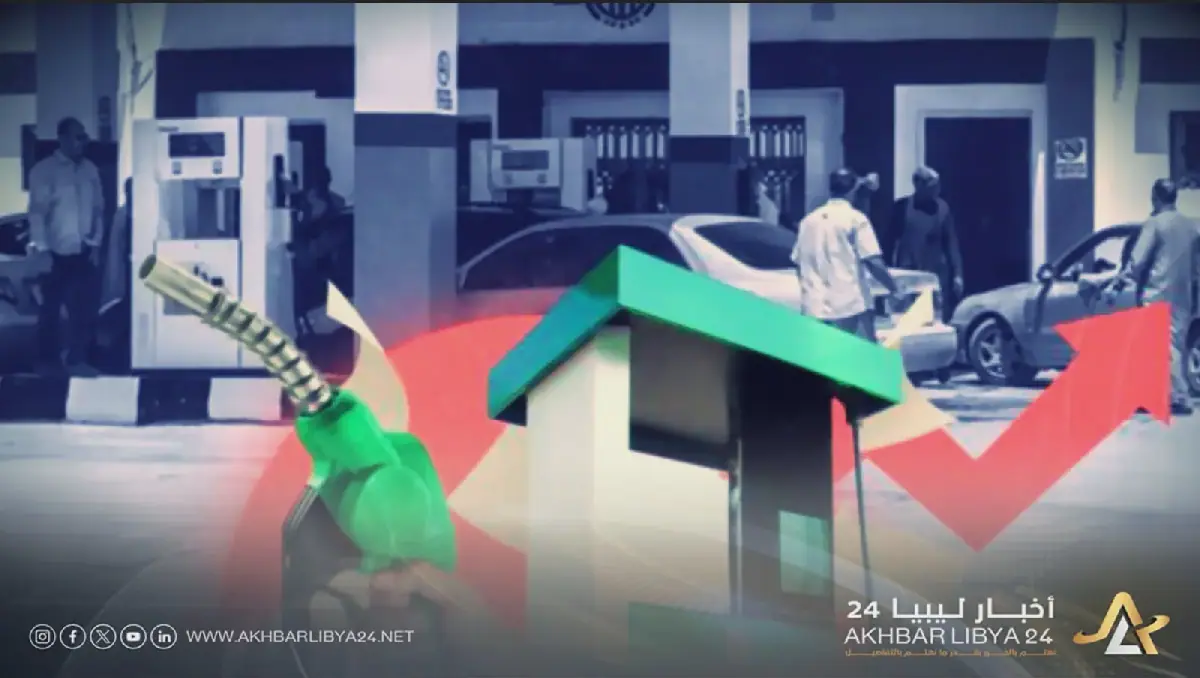
Libyan economic expert Dr. Ibrahim Omar Al-Haddad has expressed his strong opposition to removing fuel subsidies, citing the potential risks to the country's economic and social stability. He warned that such a move would have severe consequences for citizens, who are already facing difficult living conditions. Al-Haddad emphasized that removing subsidies would only exacerbate the existing crises and deepen the suffering of ordinary citizens.
Al-Haddad argued that the government's justification for removing subsidies is not valid, as the smuggling of oil and fuel is primarily carried out by powerful institutions and officials, rather than ordinary citizens. He strongly criticized the idea of punishing the public for the corruption that has taken hold in the country. Instead, he called for those responsible for the corruption to be held accountable.
The economic expert questioned the logic behind using the difference in fuel prices to finance corruption and pay salaries. He described this approach as ineffective and ridiculous, similar to the failed policies used to manage the exchange rate of the Libyan dinar. Al-Haddad emphasized that such measures only serve to further complicate the problems facing the country.
Al-Haddad urged all citizens to reject the removal of fuel subsidies, as it would not serve their interests. He argued that those calling for the removal of subsidies are the same parties that previously advocated for the devaluation of the Libyan dinar, which would primarily affect the most vulnerable segments of society.
According to Al-Haddad, the current economic crisis in Libya is primarily caused by corruption and mismanagement, rather than the subsidies themselves. He emphasized that the solution to the crisis lies in addressing the root causes of corruption and implementing effective reforms, rather than simply removing subsidies.
The Libyan government has not officially announced any plans to remove fuel subsidies, but Al-Haddad's warnings highlight the potential risks and consequences of such a move. The country's economic situation remains fragile, and any significant changes to the subsidy system could have far-reaching impacts on the population.
Al-Haddad's statements reflect the concerns of many Libyans who are worried about the potential consequences of economic reforms on their daily lives. The issue of fuel subsidies is highly sensitive in Libya, and any changes to the system will require careful consideration and consultation with various stakeholders.
Key points
- Dr. Ibrahim Omar Al-Haddad warns that removing fuel subsidies would have severe consequences on Libya's economic and social stability.
- Al-Haddad argues that corruption, not subsidies, is the primary cause of Libya's economic crisis.
- The economic expert urges citizens to reject the removal of fuel subsidies, citing the potential risks to their interests.