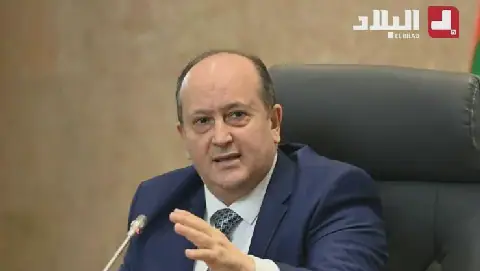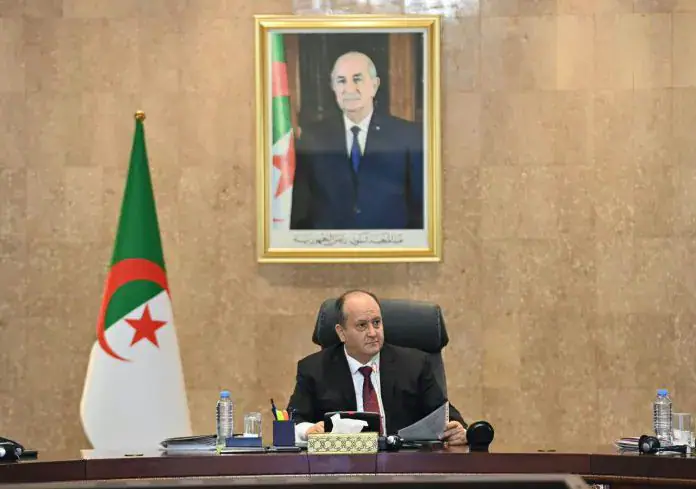
The Algerian government, led by Prime Minister Sifi Ghrieb, recently convened to discuss key development initiatives. A major focus was the operation to catalog the country's economic land registry, which aims to centralize data on investment projects and facilitate their implementation. This effort aligns with directives from President Abdelmadjid Tebboune to accelerate the digitization of investment processes. The goal is to create a unified platform for managing economic land and investment data.
The government assessed the progress of investment projects and the digitization of their data. They also examined mechanisms for financing university projects that have the potential to be industrialized and commercialized. These initiatives are designed to support students and young entrepreneurs in turning their innovative ideas into viable businesses. By fostering an environment conducive to innovation, the government aims to diversify the economy and create new opportunities for growth.
An important aspect of the meeting was the presentation on the national plan for adapting to climate change by 2035. This plan complements Algeria's Nationally Determined Contribution submitted to the United Nations in June. It outlines priorities and measures to enhance the country's resilience to climate change impacts and integrate adaptation into public policies. The plan is a crucial step towards promoting sustainable development and addressing environmental challenges.
The land registry operation is a significant undertaking that seeks to categorize and map out the country's economic land. This will enable the government to distinguish between new investment projects and those that require expansion. By doing so, authorities can better support economic operators and address obstacles that hinder project implementation. The initiative is part of a broader effort to improve the business environment and attract investment.
The government has made progress in financing innovative university projects. Nearly 1,000 projects have been funded through an integrated financing mechanism, which aims to create value-added opportunities within the academic community. This approach underscores the state's commitment to harnessing the innovative potential of students, graduates, and doctoral candidates. By supporting these projects, the government hopes to drive economic diversification and wealth creation.
In addition to these economic and environmental initiatives, the government discussed plans to enhance sports infrastructure. The development of multisport complexes and Olympic villages is expected to promote sports participation and boost Algeria's capacity to host major international events. This investment in sports infrastructure aligns with broader goals to improve the quality of life and provide new opportunities for citizens.
The government's meeting reflects its commitment to driving economic growth, addressing environmental challenges, and improving the quality of life for Algerians. By focusing on investment, innovation, and sustainable development, authorities aim to create a more diversified and resilient economy. The progress made in these areas will be crucial in shaping Algeria's future and achieving its development goals.
Key points
- Algerian government reviews progress on land registry, investment projects, and climate change adaptation plan.
- Nearly 1,000 innovative university projects funded through integrated financing mechanism.
- Government plans to enhance sports infrastructure with multisport complexes and Olympic villages.