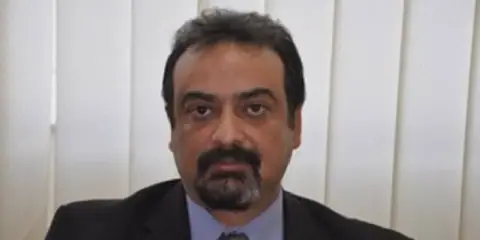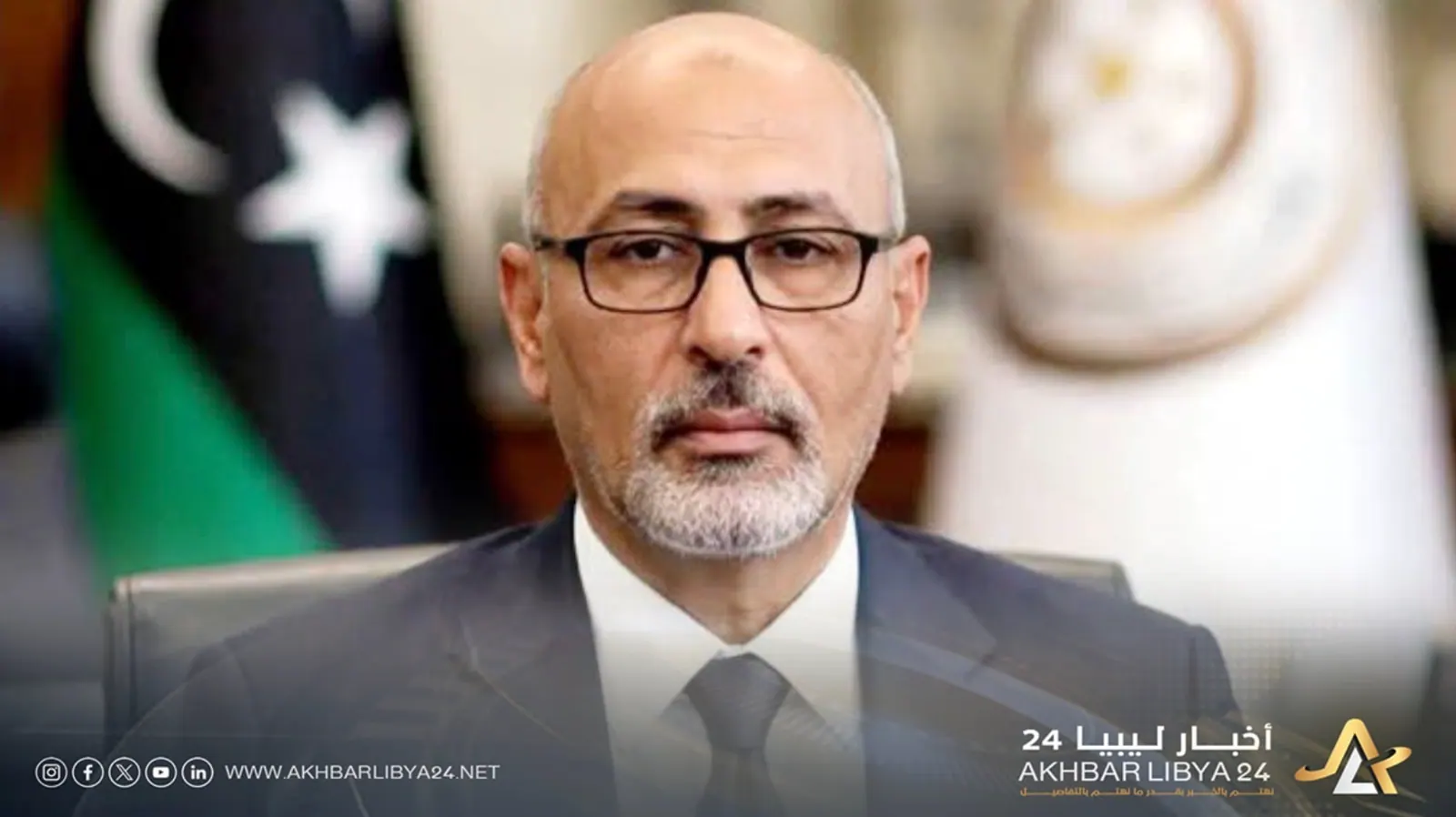
Libyan High Council of State member Abubakar Mohamed Osman has publicly criticized the council's performance, particularly regarding its stance on the 4+4 peace process. Osman expressed concerns about the council's inconsistent application of its own criteria, specifically the requirement for foundational participation and consensus in its decision-making processes. He argued that the council's rejection of the 4+4 process seven times, most recently with 72 out of 92 members voting against it, was based on the absence of consensus and constitutional and legal references.
Osman questioned the council's double standard in applying its criteria to others while not adhering to them internally. He cited the marginalization of a specific electoral district and its representative as an example. Osman emphasized that the issue at hand is not merely about achieving a procedural quorum but about a fundamental national matter that determines the country's future. He called for an extraordinary session to be held, including representatives from all 13 electoral districts and their branches, to address these concerns.
Osman proposed a set of reforms aimed at correcting what he described as foundational flaws within the council. He suggested revisiting the council's internal regulations and aligning them with the constitutional declaration and political agreement. Osman also advocated for the protection of the financial, administrative, and foundational rights of all council members, stressing that these rights are inherent to membership and not privileges granted by any party.
The council member urged his colleagues to act swiftly to correct these issues before an upcoming UN Security Council session scheduled for October 14, 2026. He proposed that discussions on his initiative should begin directly among council members to keep the debate within the institutional framework and avoid further divisions in the Libyan political landscape.
Osman also addressed the ongoing education crisis in Libya, where uncertainty persists regarding the start of the academic year. He expressed concern over the conflicting statements from the General Teachers' Union and some teachers regarding the resumption of classes. Osman called on the government to clearly settle teachers' rights and urged teachers to protect their legitimate rights without making students a party to the conflict.
Osman emphasized that students have an inherent right to education, which should not be compromised due to disputes between teachers and the government. He suggested that students could return to school while negotiations between teachers and the government continue, under a binding timeline for implementing agreed-upon measures.
Finally, Osman commented on the inaugural speech of the newly elected Speaker of the House of Representatives, Salehin Abdulnabi, who emphasized working in a spirit of unity and national consensus. While Osman found the speech's content agreeable, he recalled his experience with the High Council of State, where similar sentiments expressed at the beginning did not entirely align with subsequent actions.
Key points
- Osman calls for reforms within the High Council of State to address foundational flaws and ensure more inclusive decision-making.
- He criticizes the council's inconsistent application of its criteria for participation and consensus.
- Osman also addresses the education crisis, advocating for students' rights to be prioritized amidst teacher-government negotiations.