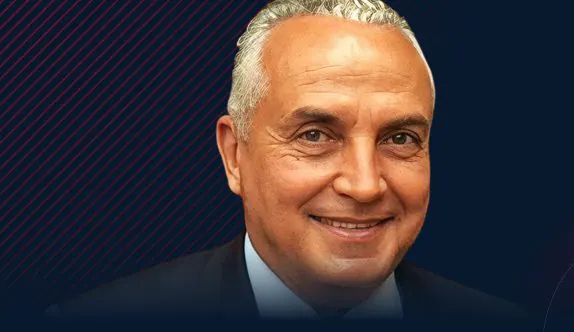
Libyan businessman Hosni Bey has expressed concerns that increasing salaries without comprehensive economic reform will not protect people's purchasing power. Bey acknowledged employees' demands for higher wages after years of rising prices and shrinking incomes. He stressed that merely increasing nominal salaries does not guarantee a real increase in income. This warning comes as Libya struggles with economic challenges, including rising prices and a shrinking income.
Bey told the "Sada" newspaper that a 10 percent salary increase, while prices and the exchange rate in the parallel market continue to rise, may raise the number on the pay slip but will not actually improve families' living standards. He emphasized that the issue is not only the size of the increase but how it is funded. Permanent salary hikes require permanent additional revenue or ongoing reductions in other spending. Otherwise, salary increases create new budget deficits.
Bey warned that financing these deficits by printing new money would increase liquidity, drive up demand for dollars and imports, and put pressure on the exchange rate and prices. This could fuel a cycle of salary hikes, inflation, and further salary demands. He stressed that salary adjustments should be addressed as part of a comprehensive restructuring of the state budget. This would help to ensure that salary increases are sustainable and do not exacerbate economic challenges.
Bey noted that official figures do not always show the true burden, given off-the-books and parallel spending, energy costs—both domestic and imported—and development and operational commitments spread across different agencies. He believes the greatest opportunities for reform lie in the way energy and fuel are subsidized. This could involve shifting from subsidizing goods to supporting individuals through direct cash compensation.
Bey clarified that he is not calling for an end to protecting citizens. Instead, he advocates for a transparent plan to protect household incomes and reduce waste, smuggling, and financial burdens. He also said that a unified salary scale might create more fairness among state employees, but it cannot guarantee the real value of wages if the dinar continues to fall and prices keep rising.
Bey called for a package of measures, including stricter control of spending, stopping deficit financing with new money, addressing the exchange rate gap, switching fuel subsidies to cash transfers, reviewing development spending, and tying permanent raises to sustainable resources or savings. He emphasized that increasing the number of dinars paid does not itself increase the amount of goods and services available.
Bey concluded by emphasizing that genuine reform must protect the real value of incomes, not just their face value. He stressed that a comprehensive approach to economic reform is necessary to address Libya's economic challenges. This approach should prioritize sustainable and equitable solutions to ensure the well-being of Libyan citizens.
Key points
- Hosni Bey warns that raising salaries without economic reform won't protect purchasing power.
- Bey advocates for a comprehensive restructuring of the state budget and shifting from subsidizing goods to supporting individuals.
- He calls for a package of measures, including stricter control of spending and switching fuel subsidies to cash transfers.