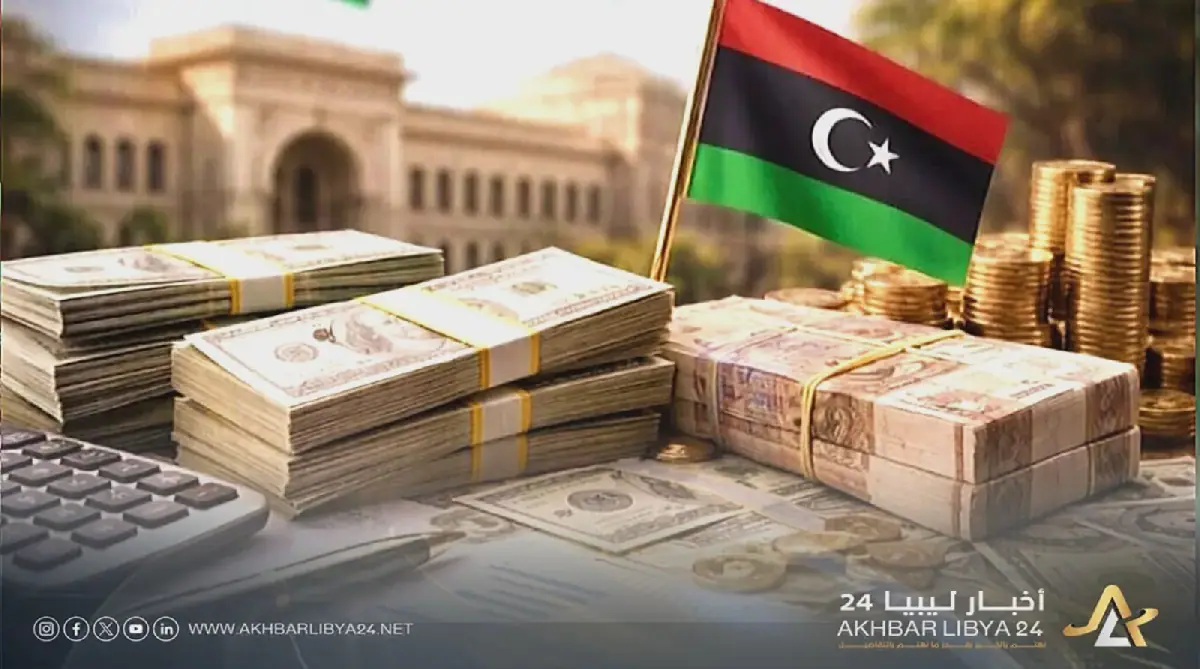
Dr. Ibrahim Omar Al-Haddad, a Libyan banking expert, has highlighted the crucial role of the Central Bank of Libya in managing the country's monetary policy. According to him, this responsibility is fundamental to achieving the bank's objectives, which are aligned with the state's overall policy. The Central Bank's monetary policy framework is designed to ensure economic stability, and Al-Haddad emphasizes that protecting the value of the Libyan dinar is a key aspect of this.
Al-Haddad explains that monetary policy extends beyond financial regulations, representing a strategic approach aimed at maintaining economic and monetary balance. This involves adhering to specific determinants and goals that guide the Central Bank's actions, ultimately helping to safeguard financial stability. By focusing on these objectives, the bank can effectively manage the nation's economy and maintain the dinar's value.
The expert stresses that achieving monetary and economic stability is a top priority, requiring the avoidance of sudden changes that could impact the dinar's value. This includes both domestic market fluctuations and international transactions. Al-Haddad believes that preserving the dinar's value is essential for economic stability, as it serves as a cornerstone for maintaining the country's overall economic health.
Al-Haddad urges a thorough examination of the importance of defending the dinar's value and the potential consequences of actions that could undermine its purchasing power or stability. He argues that decisions regarding the national currency must be based on clear economic considerations, avoiding any moves that could lead to monetary imbalances. This approach will help prevent detrimental effects on the economy.
The banking expert explicitly rejects using the dinar's value or manipulating it to finance what he describes as "corrupt" spending. Al-Haddad believes that maintaining currency stability requires shielding monetary policy from being used for objectives other than those intended to promote economic stability. This stance underscores the need for the Central Bank to maintain its independence in making professional decisions.
Al-Haddad's statements come amid ongoing discussions about the Central Bank of Libya's role in managing monetary policy and the significance of its independent decision-making. His views highlight the importance of ensuring that the bank's actions are guided solely by economic considerations, ultimately contributing to the nation's monetary and economic stability. This situation affects not only the value of the dinar but also the standard of living for Libyan citizens.
The emphasis on protecting the dinar's value and maintaining economic stability reflects broader concerns about Libya's economic future. As the country navigates its complex economic landscape, the role of the Central Bank of Libya and its commitment to sound monetary policy will be crucial in determining the nation's economic trajectory. By prioritizing the dinar's stability, the bank can help foster a more stable economic environment.
Key points
- The Central Bank of Libya must prioritize protecting the value of the Libyan dinar to ensure economic stability.
- Dr. Ibrahim Omar Al-Haddad rejects manipulating the dinar's value for corrupt spending.
- The Central Bank's independence in monetary policy decisions is crucial for achieving economic stability.